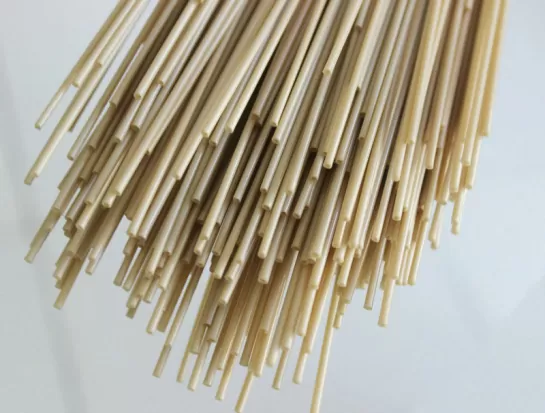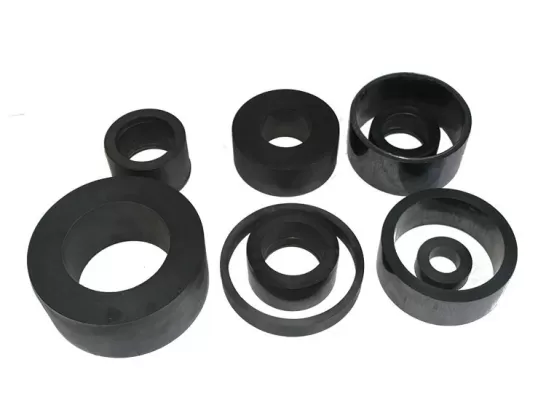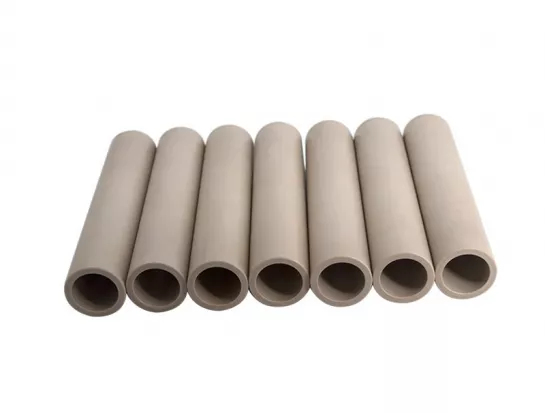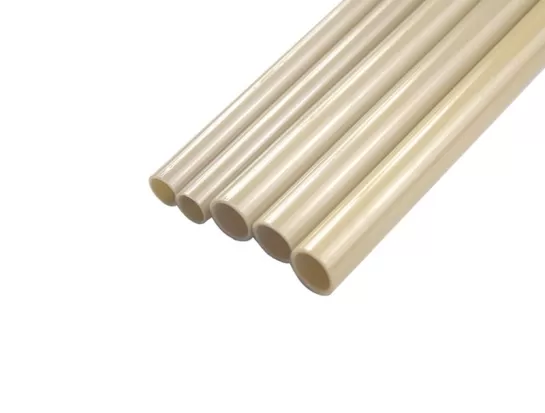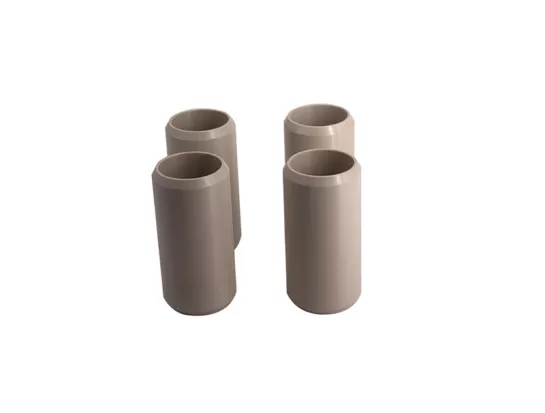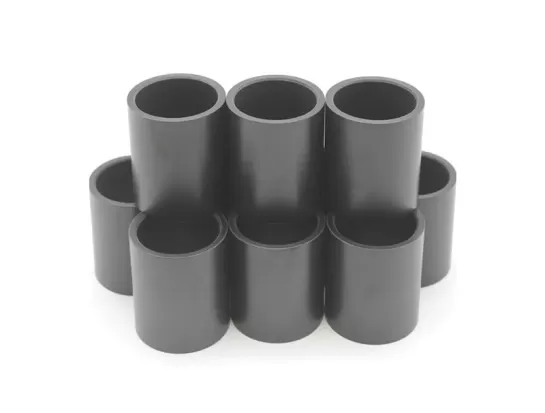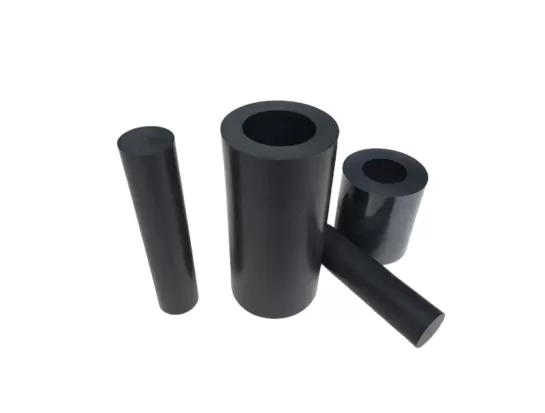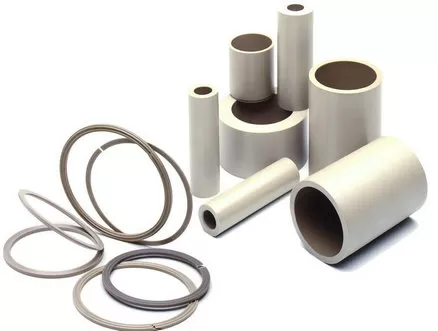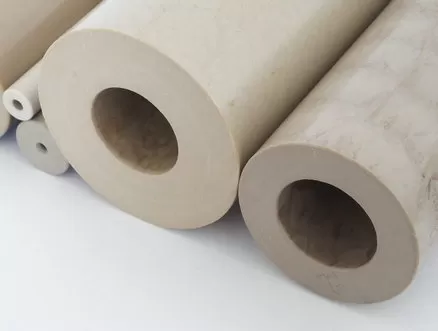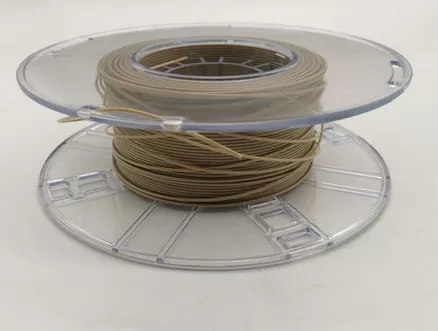
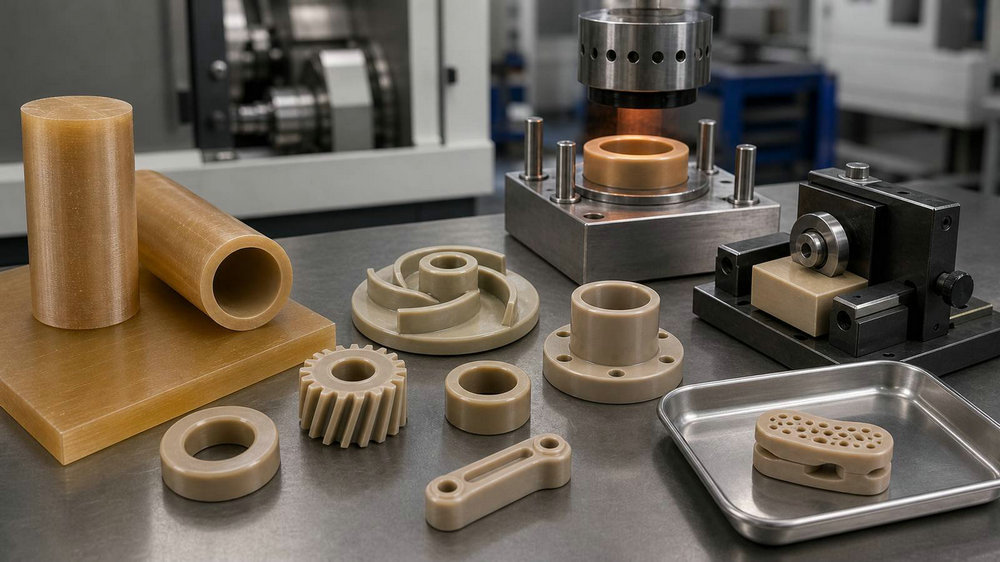
When the price of a "plastic" can rise to hundreds or even more than a thousand yuan per kilogram, it is no longer the inexpensive everyday material we normally associate with plastics. Instead, it has entered the top tier of the "specialty engineering materials" pyramid: Polyetheretherketone (PEEK). With a melting point of around 343°C and the ability to combine extreme lightweight properties with metal-like strength, PEEK is becoming a key material for future technologies such as humanoid robots, commercial aerospace, and brain-computer interfaces, where conventional materials are pushed toward their physical limits.
However, high performance usually comes with a high technical barrier. From demanding synthesis processes to supply chains historically dominated by major European and American manufacturers, what cost logic and technical barriers are actually hidden behind PEEK's high price? Let us break down the value structure of this "golden plastic".
Many people find PEEK pricing difficult to understand when they first see it. Ordinary engineering plastics may cost only several dozen yuan per kilogram, while PEEK can often reach several hundred or even more than a thousand yuan per kilogram. If we look only at weight, PEEK is certainly expensive. But when we consider the actual application, the more important question becomes: What is PEEK replacing — metal, titanium alloy, ceramics, specialty coatings, or conventional engineering plastics? What problem is it solving — weight reduction, corrosion resistance, high-temperature resistance, sterilizability, implantability, or long-term reliability?
The PEEK market in 2026 is showing an apparently contradictory trend. On the one hand, domestic production capacity is expanding and prices are declining, meaning PEEK is no longer simply a "high-priced material" controlled by a small number of multinational companies. On the other hand, PEEK that can truly enter customer supply chains for high-end applications such as medical implants, aerospace, semiconductors, and oil and gas is still much more than a resin that can simply be melted and molded.
The high price of PEEK is the result of at least six overlapping factors: expensive monomer synthesis, difficult polymerization, stringent purification requirements, a narrow processing window, long certification cycles, and high-value application environments. Its value is built across the entire chain, from molecular design to customer validation.
The chemical structure of PEEK means that it cannot be produced through the same route as ordinary olefin polymers. Industrial PEEK is generally synthesized through an aromatic nucleophilic substitution polycondensation reaction using raw materials such as 4,4'-difluorobenzophenone (DFBP) and hydroquinone (HQ), forming a rigid main chain containing alternating ether and ketone linkages.
The first cost factor is that the monomers themselves are not inexpensive. DFBP is a fluorinated aromatic monomer closely associated with the fluorochemical and specialty chemical industries. It is not a bulk petrochemical feedstock, so production volume, purity, stability, and supply continuity all affect cost. Hydroquinone is relatively common, but once it enters a PEEK polymerization system, its moisture content, metal-ion content, and impurity levels must meet much higher requirements. Ordinary industrial-grade raw materials cannot simply be considered equivalent to high-performance polymerization-grade materials.
The second cost factor is the demanding reaction system. PEEK polymerization is generally carried out in a high-boiling polar solvent system, such as diphenyl sulfone, together with additives such as alkali-metal carbonates. The reaction must be performed at high temperature under anhydrous and inert-atmosphere conditions.
If monomer synthesis is the entry point to PEEK's high cost, polymerization is the first major technical barrier.
PEEK is a semi-crystalline polyaryletherketone material. Its performance depends not only on whether it is "PEEK", but also on molecular weight, molecular-weight distribution, crystallization behavior, ash content, volatiles, end-group structure, thermal history, and batch-to-batch consistency.
For ordinary plastics, variations in molecular weight may simply broaden the processing window. For PEEK, however, molecular-weight changes can directly affect melt viscosity, mechanical strength, fatigue resistance, wear resistance, processability, and customer validation results.
PEEK polymerization requires a high-temperature system, and viscosity rises rapidly during the reaction. As viscosity increases, mixing, heat transfer, devolatilization, and solvent uniformity become more difficult. The fact that a material can be produced in a laboratory does not mean it can be reliably scaled up in a factory. Producing one batch successfully does not mean that multiple consecutive batches will remain within the same performance window.
This places higher demands on equipment. Reactors must withstand high temperatures, solvents, and salts. Mixing systems must handle high-viscosity materials. Temperature-control systems must remain stable to prevent local overheating or insufficient reaction. Solvent recovery and salt separation must be reliable. During batch changes, cleaning and contamination control must also be extremely strict.
Victrex technical information indicates that PEEK chain length, or molecular weight, affects performance. Higher-molecular-weight PEEK is generally tougher and more impact resistant, while lower-molecular-weight PEEK offers better melt flow and is suitable for molding complex small components. Therefore, different applications require different molecular-weight grades rather than simply "higher is better" or "lower is better".
This creates a key cost factor: manufacturers must master both synthesis control and application-specific material grading. Medical implant grades must balance biocompatibility, mechanical performance, processability, and long-term stability. Aerospace grades must balance lightweight construction, flame resistance, low smoke and toxicity, fatigue resistance, and reliability. Industrial wear grades may need to be compounded with fillers such as carbon fiber, graphite, or PTFE. Semiconductor grades are more sensitive to cleanliness, low extractables, and low outgassing.
There are therefore many grades within the same PEEK family. Customers are not simply buying the name PEEK; they are buying the predictable performance of a specific grade under specific operating conditions.
Around 2026, China's PEEK production capacity has expanded significantly, and public market reports indicate that several companies are developing production capacities at the thousand-ton scale or larger. However, production capacity does not automatically equal high-end supply capability.
The key question for PEEK is not "Can it be produced?" but "Can a grade that meets customer validation requirements be produced consistently?"
This is also why, despite the progress of domestic substitution, high-end medical, aerospace, and semiconductor applications cannot immediately be completely replaced by low-priced products. In the materials industry, the most expensive part is not making something successfully for the first time, but producing it consistently, reliably, traceably, and verifiably over the long term.
The PEEK polymerization system is complex. The reaction does not directly produce a completely clean resin. The system may contain unreacted monomers, oligomers, inorganic salt by-products, high-boiling solvent residues, metal ions, moisture, volatiles, gels or black particles, and fractions with abnormal molecular-weight distributions.
For ordinary applications, these impurities may simply affect color, odor, or processing stability. For medical, semiconductor, aerospace, and other high-end applications, however, they may become critical problems.
Medical-grade PEEK is used in environments involving human tissue, blood, bone, or long-term implantation. Extractables, low-molecular-weight volatiles, residual monomers, and metal ions in the material may affect biocompatibility evaluation.
The key concern for medical customers is not simply the material name, but long-term safety and traceable performance history.
PEEK components used in semiconductor equipment may encounter corrosive gases, vacuum environments, plasma, and ultra-clean environments. Volatiles, extractables, and particle contamination in the material can affect process yield.
These properties cannot be achieved simply through "ordinary purification". They require a complete quality system and testing capability.
Purification costs are often underestimated. Purification is not simply a matter of washing with water. High-boiling solvents, salts, oligomers, and powder morphology can make separation, filtration, washing, and drying complicated. These processes can lead to material loss, increased energy consumption, and additional time costs.
Increasing the number of washing steps to improve purity increases solvent, water, and energy consumption. Reducing purification steps to minimize material loss may instead affect high-end customer validation.
This is an easily overlooked part of the PEEK cost structure: purity is not simply a cost center; it is an entry ticket to high-end applications.
The melting point of PEEK is approximately 343°C, while its continuous-use temperature can reach around 260°C. However, melting point and processing temperature are not the same thing. Injection molding barrel temperatures are typically in the range of 350–400°C. This means that ordinary plastic-processing experience cannot simply be applied to PEEK.
Barrel temperatures of 350–400°C place higher requirements on heating bands, thermocouples, temperature controllers, screws, barrel surfaces, nozzles, and mold temperature-control systems.
PEEK can generally be processed using standard injection molding machines, but heating bands, thermocouples, or controllers may need to be replaced when necessary. Ceramic heating bands and insulation jackets are also recommended. Therefore, even when completely customized equipment is not required, modifications for high-temperature, clean, and stable temperature control may still be necessary.
Although PEEK pellets are nominally dry, they can still absorb moisture. Before injection molding, drying at 150–160°C for 2–3 hours or overnight may be used to reduce residual moisture below 0.02%.
Excessive moisture can affect product quality and may lead to degradation or defects. At the same time, residues from other polymers, oil, dust, and recycled materials become more problematic at high temperatures. PEEK processing equipment must therefore be kept clean to prevent contaminants from forming black spots or defects at PEEK processing temperatures.
PEEK is a semi-crystalline material, and mold temperature has a significant effect on crystallinity and final performance. A mold temperature of approximately 170–200°C is generally recommended to avoid insufficient crystallization caused by rapid cooling.
Therefore, PEEK processing is not simply a matter of “melting and cooling into shape.” The crystallization process must also be controlled.
The real cost of processing temperature is therefore not limited to electricity consumption or equipment temperature limits. It includes the drying system, high-temperature barrel, clean processing environment, mold temperature control, process development, scrap-rate control, and technician experience. These costs ultimately become part of the overall cost of each kilogram of PEEK product.
The price of PEEK cannot be explained simply by the cost of a bag of resin pellets.
Its value is accumulated throughout the entire chain: expensive monomers, demanding polymerization, molecular-weight control, purification, high-temperature processing, application-specific grades, certification, traceability, and long-term customer validation.
PEEK is expensive because it is not simply a "plastic". It is a high-performance material system that requires technology, process control, equipment, quality assurance, application expertise, and long-term verification.
Copyright © PEEKCHINA | Taizhou Ark International Trade Co.,Ltd. All Rights Reserved |
Sitemap
| Powered by



 EN
EN