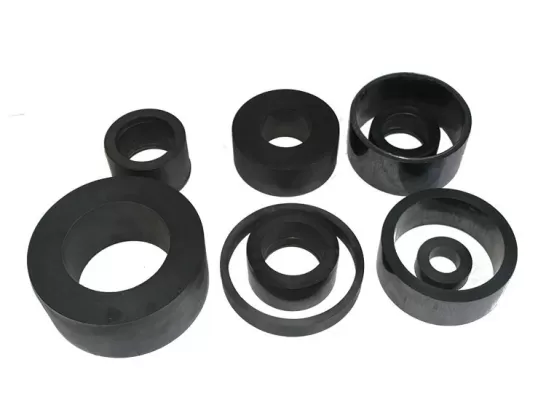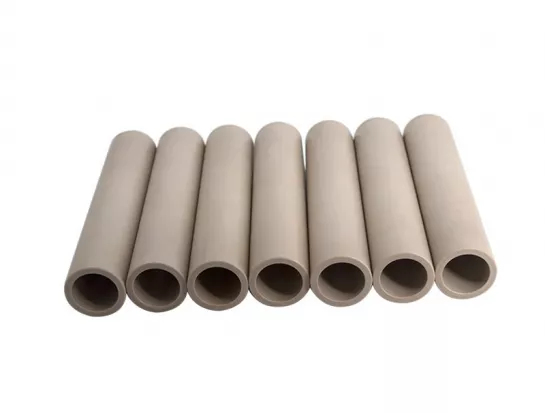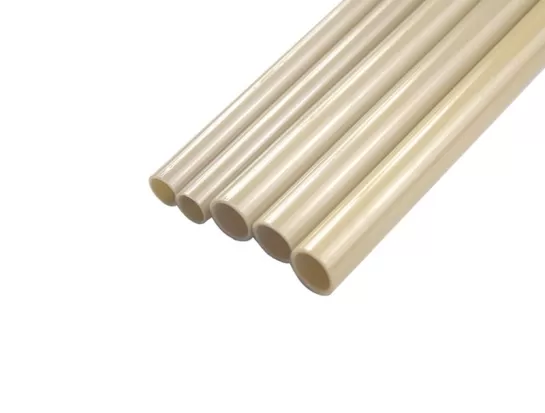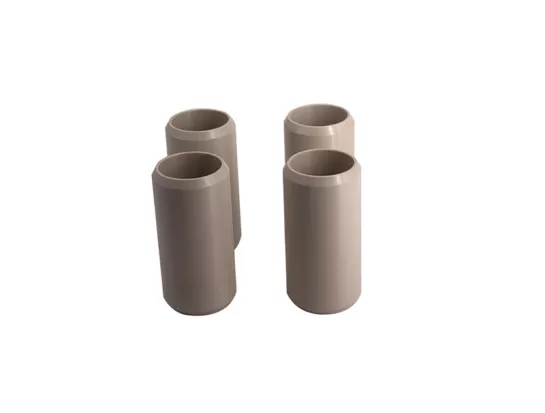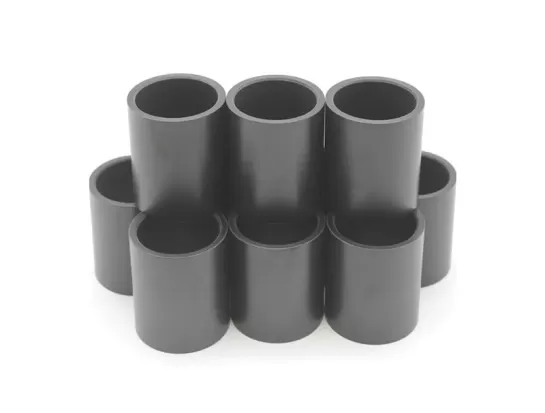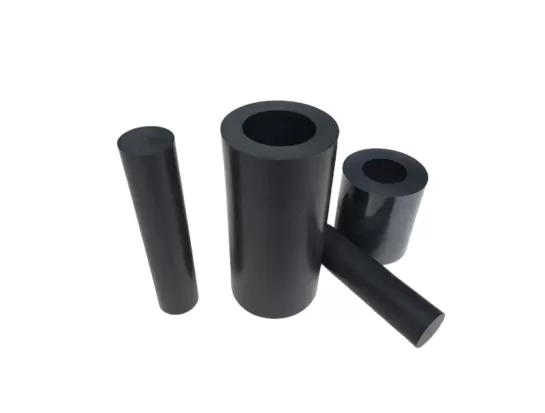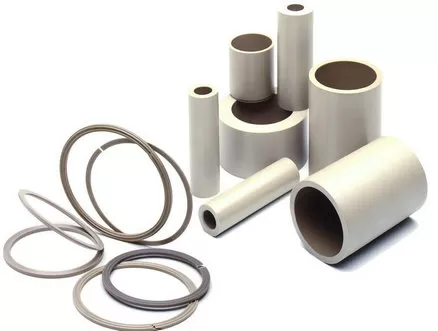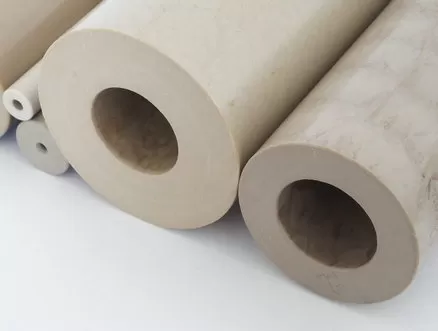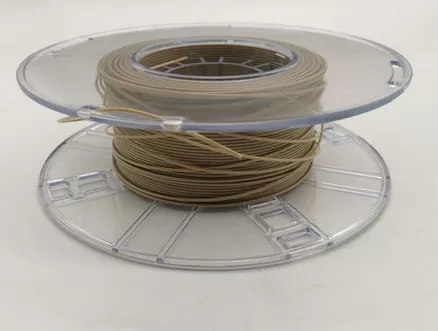
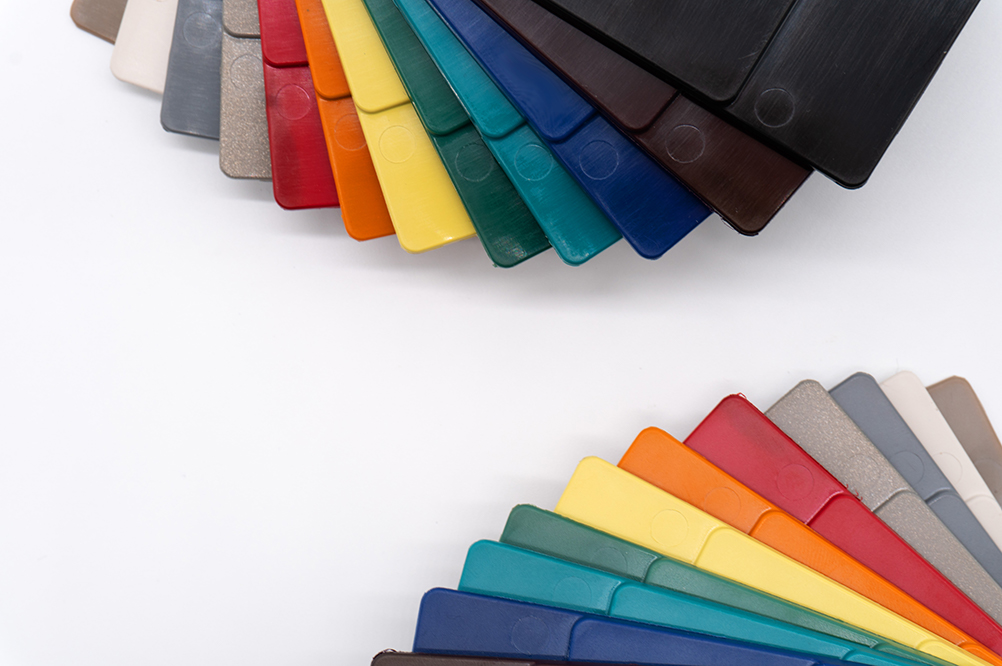
In the field of high-performance engineering plastics, polyether ether ketone (PEEK) is widely used in aerospace, medical devices, semiconductor manufacturing, and the automotive industry. Its excellent high-temperature resistance, chemical resistance, mechanical strength, and potential for biocompatible applications make it a valuable material for demanding engineering environments. Traditionally, PEEK products have been available primarily in natural beige and black.
As industrial applications become more specialized, demand for colored PEEK material is growing. The reasons go beyond appearance. Color can support component identification, assembly error prevention, visual inspection, product differentiation, and automated manufacturing. Colored PEEK is therefore becoming an important development direction in the functionalization of high-performance polymers.
Coloring PEEK is considerably more complicated than adding pigment to a conventional plastic. The material must withstand high processing temperatures while maintaining color consistency, mechanical properties, and long-term performance.
PEEK has a melting point of approximately 343°C, while processing temperatures typically reach 360–400°C, depending on the grade and processing method. Many conventional organic pigments cannot withstand these conditions and may decompose, discolor, or fade.
Selecting suitable high-temperature colorants is therefore essential. The available colorant options must be evaluated for thermal stability, compatibility with the PEEK matrix, and the desired final color. Achieving bright, saturated colors while maintaining stable processing characteristics requires specialized material formulation and process control.
Pigments and other colorants can influence the properties of the polymer matrix. Poor compatibility, excessive loading, or inadequate dispersion may introduce defects and affect tensile strength, impact resistance, and other mechanical characteristics.
The challenge is to achieve the required color without compromising the performance expected from PEEK. This requires careful formulation design, colorant selection, and optimization of the interaction between the colorant and the polymer.
PEEK's high melt viscosity makes uniform pigment dispersion particularly challenging. Inadequate dispersion can lead to visible color variation, localized defects, and inconsistent properties between production batches.
Appropriate pigment pretreatment, particle-size control, and specialized dispersion processes can help improve color uniformity and material consistency. For example, the source formulation approach described by PEEKChina specifies pigment particle sizes of no more than 10 μm. Actual results depend on the pigment system, formulation, and processing conditions.
These technical challenges explain why producing reliable colored PEEK requires more than standard plastic coloring techniques. Consistent results depend on material science, formulation expertise, and controlled manufacturing processes.
Colored PEEK can combine the inherent properties of the PEEK polymer with additional visual and identification functions. Its suitability for a specific application depends on the formulation, manufacturing process, and applicable performance requirements.
In medical devices and surgical instruments, different colors can help distinguish component sizes, models, or functional categories. This visual differentiation may improve identification efficiency and help reduce the risk of handling or assembly errors.
Color customization can also support product differentiation, visual management, and traceability. In selected dental and craniofacial applications, color matching may contribute to a more natural appearance and improve the visual integration of a component.
In automated production lines, equipment may contain hundreds of similar-looking seals, connectors, guides, and other components. Color coding can make these parts easier to identify during assembly, maintenance, and inspection.
Colored PEEK can also support machine-vision applications. Depending on the contrast between the component and its background, the lighting conditions, and the camera system, selected colors may improve the visual distinction between parts. The actual benefits should be confirmed through application-specific testing.
In food and pharmaceutical processing environments, detecting foreign material is an important quality-control concern. Fragments of natural-colored plastics may be difficult to distinguish from certain products.
Colored PEEK components, such as cable clips and insulation-related parts, may help differentiate components associated with flight-control, hydraulic, or communication systems. Clear identification can make troubleshooting and maintenance more efficient, potentially reducing equipment downtime.
Traditional coloring methods, including painting and surface coating, can provide a visual finish but may introduce additional considerations. Depending on the coating system and operating conditions, potential concerns include surface damage, coating separation, extra processing steps, and difficulty achieving consistent coverage on complex geometries.
Integral coloration incorporates the color into the material rather than relying solely on a surface coating. When properly formulated and processed, colored PEEK can provide a more consistent appearance throughout the material and avoid certain coating-related failure modes.
PEEKChina develops and supplies PEEK materials and customized solutions for demanding industrial applications. Its colored PEEK development approach focuses on three key technical areas: thermal color stability, mechanical-property retention, and uniform pigment dispersion.
High-temperature colorants and specialized surface treatments are selected and evaluated to support color stability during PEEK processing. Formulation and process optimization are important for reducing discoloration and improving batch-to-batch consistency.
Color formulation must account for the effect of colorants on the polymer matrix. PEEKChina's stated technical approach includes controlling pigment particle size to no more than 10 μm, together with formulation optimization, to support a balance between color appearance and mechanical performance.
A controlled dispersion system helps reduce visible color variation and localized pigment concentration. Consistent raw-material preparation and manufacturing parameters are important for producing repeatable results across batches.
PEEKChina offers a color-development workflow that includes:
Application and technical requirement assessment.
Laboratory color matching.
Standard sample preparation and customer approval.
Production and batch traceability.
Color-consistency verification.
For customers developing new components, early communication about operating temperature, chemical exposure, mechanical loads, sterilization requirements, regulatory needs, and target color can help determine an appropriate material and validation plan.
The original PEEKChina material information lists FDA-related requirements, EU 10/2011, REACH, RoHS, UL 94 V-0, ISO 9001, IATF 16949, and GJB 9001C among its compliance and certification references.
As intelligent manufacturing, advanced equipment, and customized product development continue to evolve, colored PEEK may play a growing role in several areas.
Smart manufacturing and automation: Color can support visual identification, machine-vision inspection, and component management when integrated with suitable sensing and control systems.
Product differentiation and brand identity: Customized colors can help manufacturers distinguish product families, identify functional components, and maintain a consistent visual identity across product lines.
Extreme-environment applications: In aerospace, energy, and specialized industrial equipment, color may assist with identification and functional separation. The selected material must still satisfy the mechanical, thermal, chemical, and regulatory requirements of the operating environment.
Colored PEEK represents an extension of high-performance polymer technology from basic material performance toward application-specific functionality. Its value lies not simply in appearance, but also in component identification, assembly management, visual inspection, product differentiation, and potential improvements in operational efficiency.
As a PEEK material supplier and solutions provider, PEEKChina supports customers exploring colored PEEK for industrial, automation, medical-related, and other specialized applications. By combining material selection, customized color development, and technical evaluation, PEEKChina aims to help customers identify suitable PEEK solutions for their engineering requirements.
Contact PEEKChina to discuss colored PEEK materials, standard color options, customized formulations, and application-specific requirements.
Copyright © PEEKCHINA | Taizhou Ark International Trade Co.,Ltd. All Rights Reserved |
Sitemap
| Powered by



 EN
EN