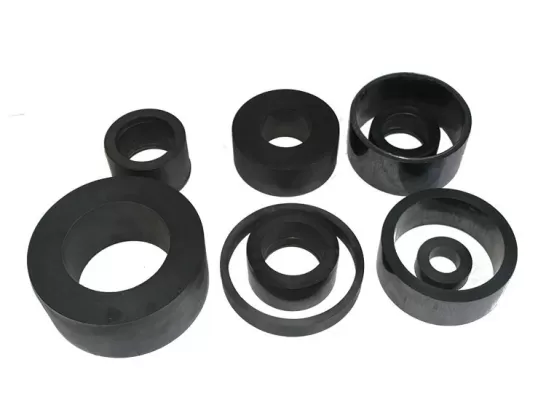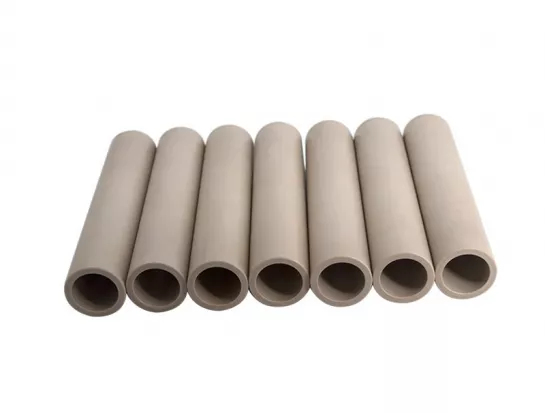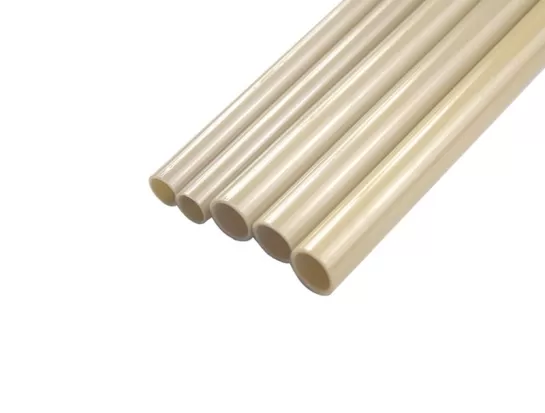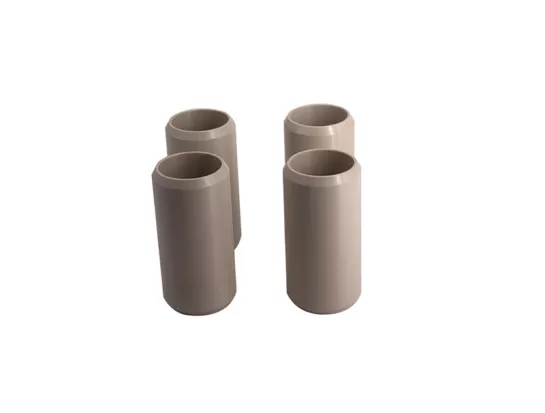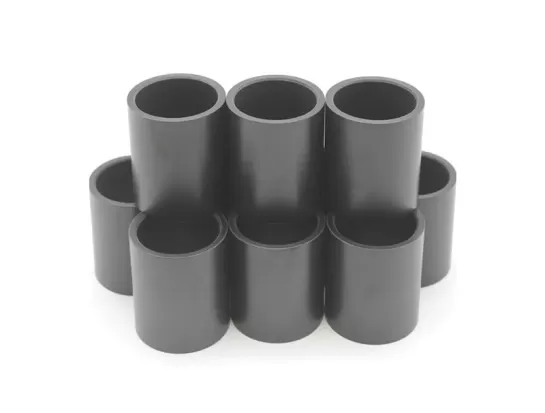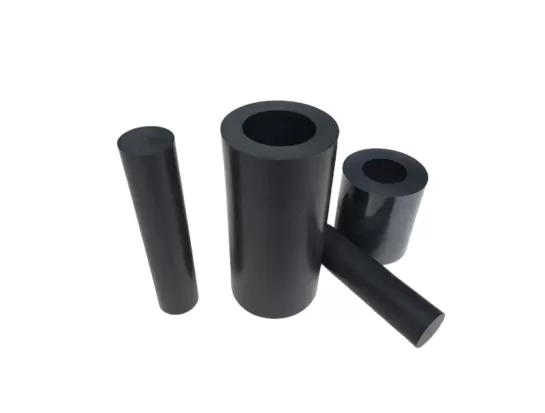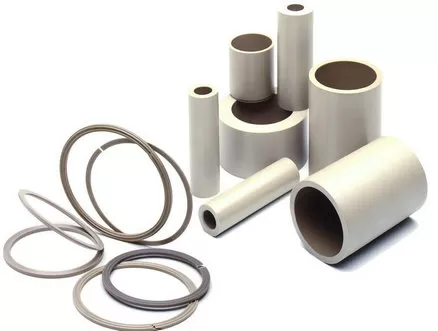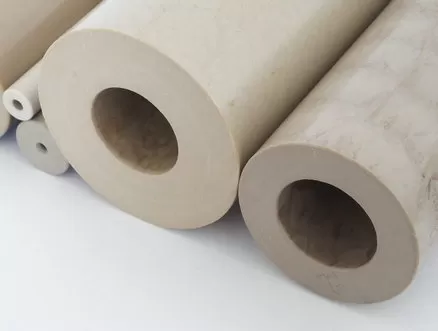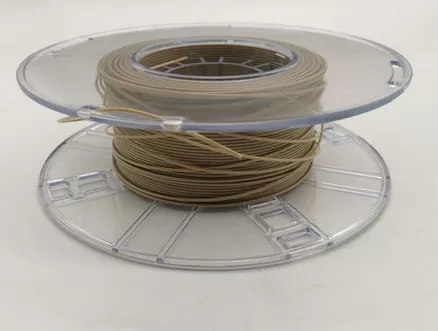
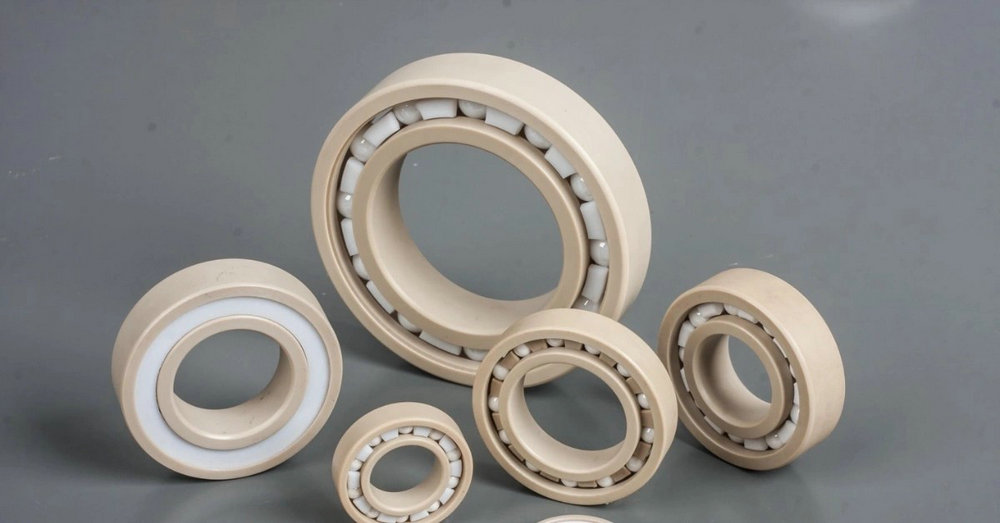
PEEK (Polyether Ether Ketone) is a semi-crystalline, aromatic high-performance engineering thermoplastic known for its exceptional combination of thermal stability, mechanical strength, chemical resistance, and biocompatibility. Due to its outstanding performance in extreme environments, PEEK is often described as "the gold standard of engineering plastics" and is widely used in industries where conventional plastics and even metals fail.
PEEK has become a critical material for medical devices, aerospace components, automotive systems, electronics, robotics, and chemical processing, offering reliable long-term performance under high temperature, high pressure, and chemically aggressive conditions.
PEEK outperforms standard engineering plastics across five core performance dimensions: thermal, mechanical, chemical, biological, and processing performance.
Continuous operating temperature: 240–260°C
Short-term heat resistance: above 300°C
Heat Deflection Temperature (HDT):
~143°C for unfilled PEEK
Up to 310°C for reinforced PEEK grades
Excellent resistance to thermal aging, hydrolysis, and UV exposure
Service life exceeding 10 years in humid or outdoor environments
Tensile strength: 90–100 MPa, comparable to aluminum alloys
Elongation at break: 15–30%
Excellent impact resistance and fatigue strength
Retains over 70% of room-temperature mechanical properties at 200°C
PEEK demonstrates exceptional resistance to:
Strong acids (sulfuric acid, hydrochloric acid)
Strong alkalis (sodium hydroxide)
Organic solvents (acetone, ethanol)
Fuels, hydraulic oils, and lubricants
PEEK is only soluble in a limited number of highly oxidative agents such as concentrated nitric acid and concentrated sulfuric acid, making it ideal for chemical processing and oil & gas environments.
Certified according to ISO 10993
Non-toxic, non-allergenic, and compatible with human tissue and blood
Recyclable material
Fully compliant with RoHS, REACH, and global environmental standards
PEEK can be processed by:
Injection molding
Extrusion
CNC machining
Compression molding
3D printing (FFF/FDM)
It offers low thermal expansion, moisture absorption below 0.1%, and excellent dimensional stability, enabling the production of precision parts, thin-wall components, micro-structures, films, fibers, rods, sheets, and tubing.
| PEEK Type | Modification Method | Key Performance Advantages | Typical Applications |
| Unfilled (Virgin) PEEK | Base polymer | High toughness, excellent biocompatibility, easy processing | Medical implants, bone fixation screws, food-contact components |
| Glass Fiber Reinforced PEEK (30% GF) | 30% glass fiber added | 50% higher stiffness, HDT up to 310°C, cost-effective | Automotive engine brackets, aerospace structures, chemical valves |
| Carbon Fiber Reinforced PEEK (10–30% CF) | Carbon fiber reinforcement | Strength close to steel, low friction (0.15–0.25), high wear resistance | Robotic joints, drone propellers, bearings, high-speed gears |
| CNT / Graphene Modified PEEK | Carbon nanotubes or graphene | 3–5× higher thermal conductivity, improved electrical performance | Electronic heat dissipation components, 5G base station housings |
| PEEK Alloys (PEEK/PTFE, PEEK/PPS) | Polymer blending | Enhanced wear and corrosion resistance | Oilfield tools, extreme-environment sealing components |
Orthopedic implants (hip joints, knee joints, spinal fusion cages)
Dental implant abutments
Endoscopic tubing and minimally invasive device components
Surgical instrument handles and sterilizable housings
UAV structures and satellite antenna brackets
Aircraft interior components
Engine seals, hydraulic system tubing, wire insulation
Battery insulation plates and collectors
Motor bearing cages and high-voltage connectors
Lightweight robot joints and structural components
Metal replacement parts achieving 10–20% weight reduction
Semiconductor manufacturing fixtures
Chip heat spreaders and electronic housings
5G filter enclosures and precision frames
Reactor linings
Valve cores and seats
High-pressure pipe connectors
Offshore drilling and corrosive-environment components
Victrex (UK): ~40% global market share, leader in medical-grade PEEK
Solvay (USA) and Sumitomo Chemical (Japan): aerospace and electronics focus
Rapid localization and scale-up of production
ARKPEEK: one of the largest manufacturers of finished PEEK parts and capillary tubing
Other domestic suppliers focus on resin synthesis, compounding, and performance modification
High raw material cost (USD 50–100/kg)
Ultra-high-purity medical-grade PEEK and 3D printing PEEK still rely on imports
High technical barriers in resin purity and modification consistency
Thermal conductivity improved from 0.25 W/(m·K) to 1–5 W/(m·K)
Ultra-low friction grades with PTFE or MoS₂ additives
Bio-based PEEK with 20–30% cost reduction potential
Recycled PEEK using depolymerization–repolymerization processes
Industrial-grade PEEK filaments and powders for 3D printing
Ultra-thin wall injection molding below 0.1 mm
AI-assisted formulation optimization
UAVs and low-altitude economy
Brain–computer interface device packaging
Hydrogen fuel cell components and sealing systems
Copyright © PEEKCHINA | Taizhou Ark International Trade Co.,Ltd. All Rights Reserved |
Sitemap
| Powered by



 EN
EN