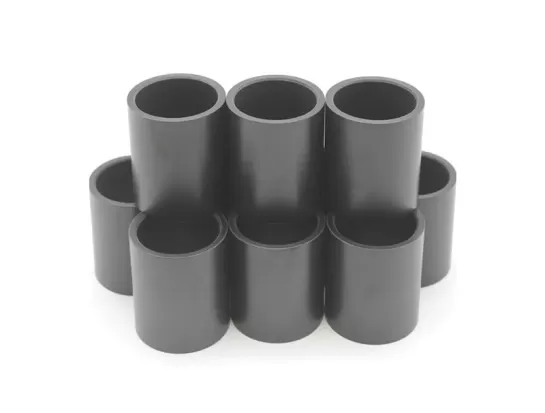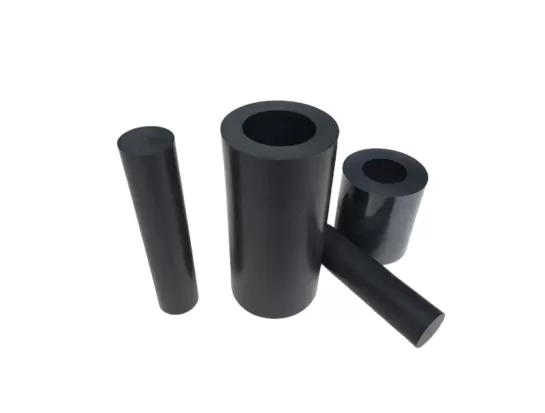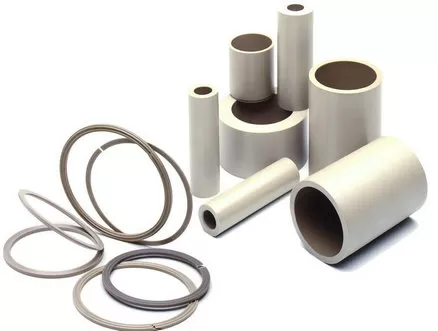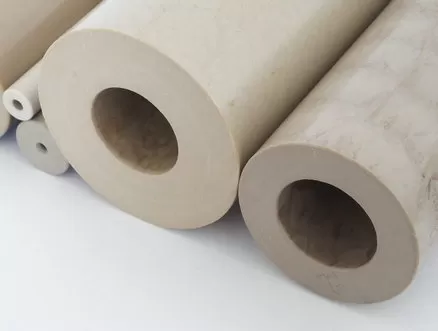
High-performance engineering plastics are increasingly replacing metals in many demanding industrial environments. Among these advanced materials, Polyether Ether Ketone (PEEK) stands out due to its exceptional strength, thermal stability, and chemical resistance.
One of the most common forms of this material is PEEK rod, a semi-finished stock shape widely used for machining precision parts in aerospace, medical, semiconductor, and industrial equipment.
But what is PEEK rod exactly? What properties make it so valuable, and what is PEEK rod used for in modern engineering?
This guide explains everything you need to know about PEEK plastic rods, including material characteristics, key advantages, typical applications, and how manufacturers use them to produce high-performance components.
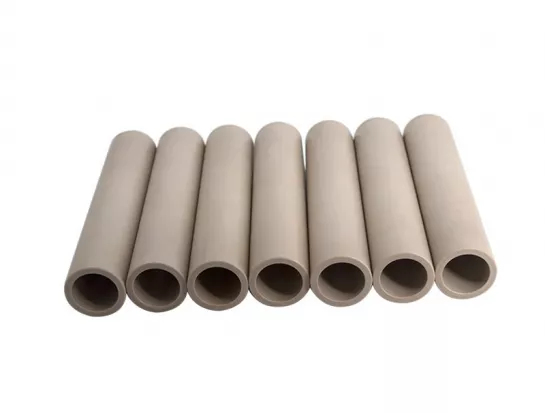
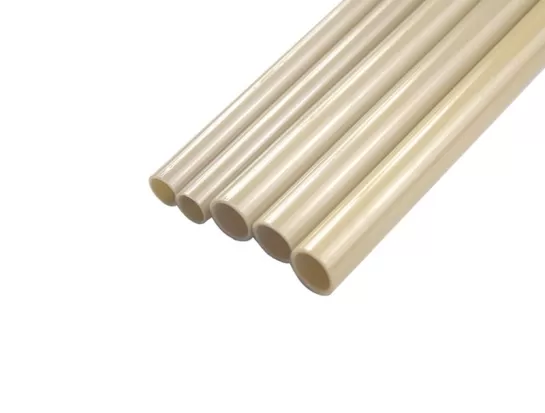
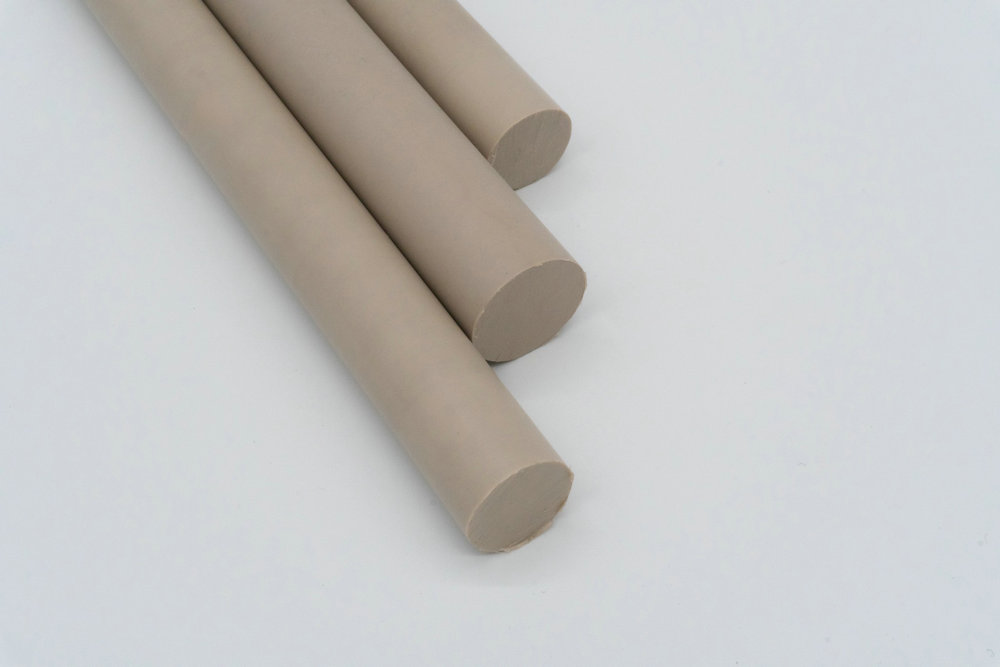
PEEK rod is a solid cylindrical bar made from Polyether Ether Ketone (PEEK), a high-performance semi-crystalline thermoplastic polymer known for its outstanding mechanical, thermal, and chemical properties.
PEEK rods are typically produced through extrusion or compression molding and supplied as semi-finished engineering plastic stock shapes. Manufacturers and machine shops then use these rods to produce custom components through CNC machining processes such as turning, milling, and drilling.
Compared with conventional plastic rods like nylon, PTFE, or POM, PEEK rod offers significantly higher strength, temperature resistance, and durability, making it suitable for extremely demanding environments.
Because of these advantages, PEEK rods are widely used in industries where performance, reliability, and longevity are critical.
PEEK rod is made from Polyether Ether Ketone, an advanced thermoplastic polymer belonging to the polyaryletherketone (PAEK) family.
The molecular structure of PEEK contains aromatic rings connected by ether and ketone groups, which provide exceptional stability and strength. This unique chemical structure gives PEEK its outstanding performance characteristics, including:
High temperature resistance
Excellent chemical resistance
Strong mechanical properties
Outstanding wear resistance
Long-term dimensional stability
Unlike many other plastics, PEEK maintains its properties even under extreme temperatures, aggressive chemicals, and high mechanical stress, making it one of the most advanced engineering plastics available today.
One of the main reasons engineers choose PEEK rod is its combination of thermal, mechanical, and chemical performance.
Below are typical properties of natural PEEK material.
| Property | Typical Value |
| Density | 1.30 g/cm³ |
| Continuous Service Temperature | 250°C |
| Melting Point | 343°C |
| Tensile Strength | ~100 MPa |
| Modulus of Elasticity | ~3.6 GPa |
| Water Absorption | Very Low |
| Chemical Resistance | Excellent |
PEEK rod can operate continuously at temperatures up to 250°C, far higher than most common plastics.
PEEK resists a wide range of aggressive chemicals, including:
acids
organic solvents
hydrocarbons
steam and hot water
This makes it suitable for chemical processing and analytical instrumentation.
PEEK rods offer excellent tribological performance, making them ideal for friction and wear applications such as bearings and bushings.
Compared with many engineering plastics, PEEK provides metal-like strength while remaining lightweight, allowing it to replace metal components in some applications.
PEEK rods exhibit low thermal expansion and minimal water absorption, ensuring high precision and stability in demanding environments.
A common question engineers ask is: what is PEEK rod used for?
Because of its exceptional properties, PEEK rod is used to manufacture precision parts for high-performance industries.
Some of the most common industries include:
In aerospace applications, weight reduction and reliability are critical.
PEEK rod is used to machine components such as:
structural parts
cable insulation components
lightweight mechanical parts
PEEK's high strength-to-weight ratio helps reduce overall aircraft weight while maintaining structural integrity.
PEEK is widely used in medical technology because of its biocompatibility and sterilization resistance.
PEEK rod is used to manufacture:
surgical instrument components
medical device housings
dental and orthopedic parts
In some applications, implant-grade PEEK is used as a metal alternative for orthopedic implants.
Semiconductor manufacturing environments require materials that can withstand high temperatures, chemicals, and ultra-clean conditions.
PEEK rods are commonly used to produce:
wafer handling components
insulating parts
precision fixtures
Automotive engineers use PEEK rod to machine parts that must withstand high temperature and friction.
Examples include:
bushings
gears
thrust washers
pump components
These parts benefit from PEEK's durability and resistance to wear.
In industrial machinery, PEEK rods are used to produce many wear-resistant and high-performance components such as:
bearings
seals
valve parts
compressor components
These parts must operate reliably under continuous mechanical stress and harsh environments.
PEEK rods are often used as raw materials for machining precision components.
Typical machined parts include:
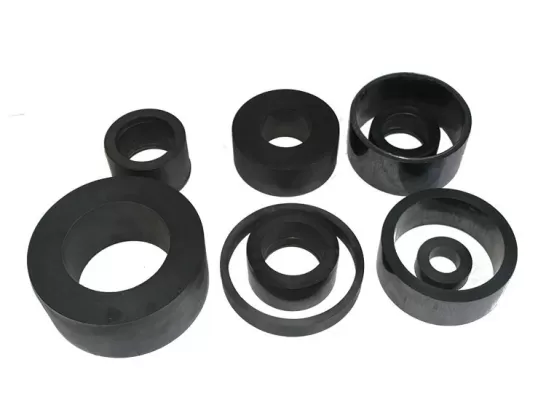
PEEK bearings
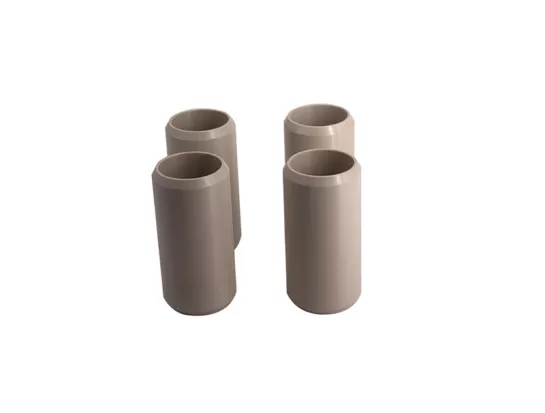
PEEK bushings
PEEK gears
PEEK seals
PEEK valve components
PEEK electrical insulators
PEEK pump parts
PEEK compressor parts
Because PEEK rods can be easily machined using CNC equipment, manufacturers can produce custom parts with tight tolerances and complex geometries.
PEEK rod offers several advantages compared with both traditional plastics and metals.
PEEK maintains excellent performance at temperatures where many plastics would soften or degrade.
PEEK provides high mechanical strength while weighing significantly less than metal components.
PEEK is resistant to a wide range of chemicals, making it ideal for harsh environments.
PEEK’s tribological properties allow it to perform well in moving mechanical systems.
PEEK rods can be machined using standard CNC equipment, allowing manufacturers to create complex components efficiently.
Engineers often compare PEEK rod with other plastic rods when selecting materials.
| Material | Temp Resistance | Mechanical Strength | Chemical Resistance |
| PEEK | Excellent | Excellent | Excellent |
| PTFE | Medium | Low | Excellent |
| Nylon | Medium | Medium | Medium |
| POM (Acetal) | Medium | Medium | Medium |
While PTFE offers extremely low friction, PEEK provides much higher strength and temperature resistance, making it suitable for structural and load-bearing applications.
PEEK rods are commonly used as raw material for CNC machining.
Typical machining processes include:
CNC turning
milling
drilling
threading
precision cutting
Because PEEK is a high-performance polymer, proper machining techniques and tool selection are important to achieve optimal surface finish and dimensional accuracy.
In many industries, PEEK rod machining is used to produce custom high-precision components for specialized equipment.
PEEK rods are available in a wide range of diameters and lengths, depending on the manufacturing process.
Common options include:
Reliable suppliers typically offer:
multiple rod diameters
custom cutting services
CNC machining capabilities
technical support for material selection
Choosing a reputable PEEK material supplier ensures consistent quality, traceability, and reliable performance in demanding applications.
PEEK rod is commonly used to machine high-performance components such as bearings, gears, bushings, seals, and electrical insulators in industries like aerospace, medical devices, semiconductor manufacturing, and industrial equipment.
Yes. PEEK rod offers significantly higher mechanical strength and temperature resistance compared with common engineering plastics like nylon or PTFE.
In some applications, PEEK rod can replace metal parts because it provides a high strength-to-weight ratio, excellent chemical resistance, and good wear performance.
Yes. PEEK rods can be machined using CNC equipment such as lathes and milling machines, making them suitable for manufacturing precision components.
PEEK rod is one of the most advanced engineering plastic materials available today. With its combination of high temperature resistance, excellent mechanical strength, chemical stability, and wear resistance, it has become a critical material in many high-performance industries.
From aerospace and medical devices to semiconductor manufacturing and industrial machinery, PEEK rods are widely used to produce precision components that must perform reliably in demanding environments.
As industries continue to seek lightweight, durable, and high-performance materials, the demand for PEEK rods and machined PEEK components is expected to grow even further.
Copyright © PEEKCHINA | Taizhou Ark International Trade Co.,Ltd. All Rights Reserved |
Sitemap
| Powered by



 EN
EN