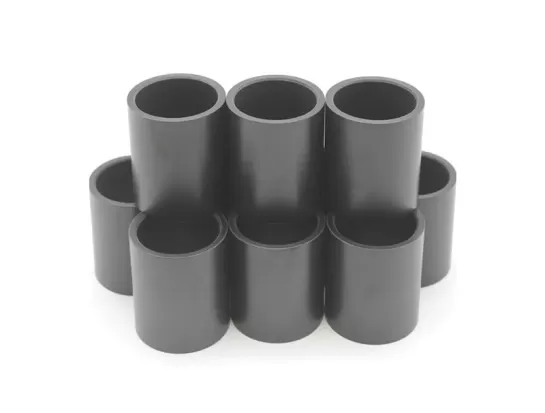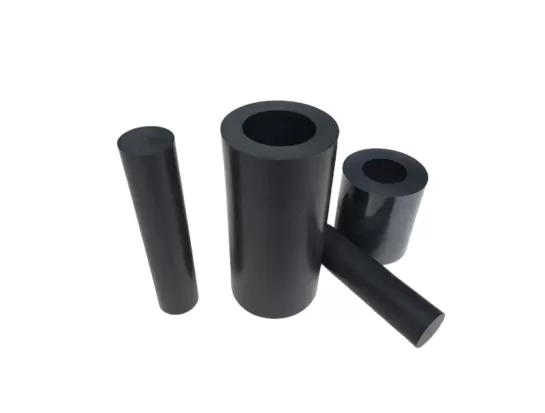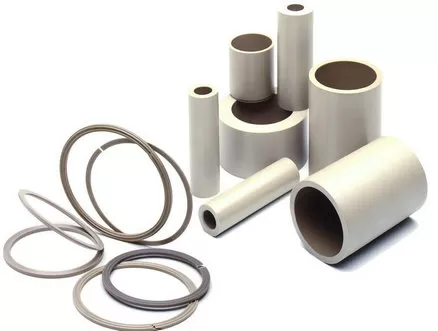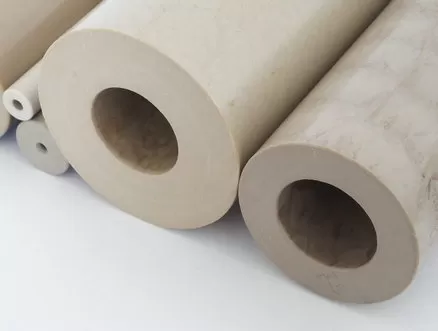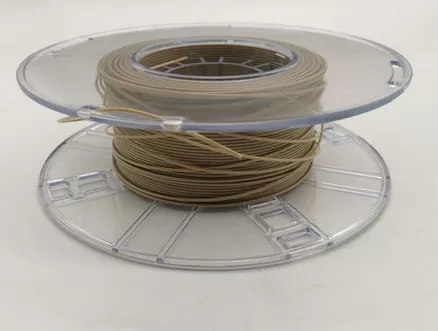
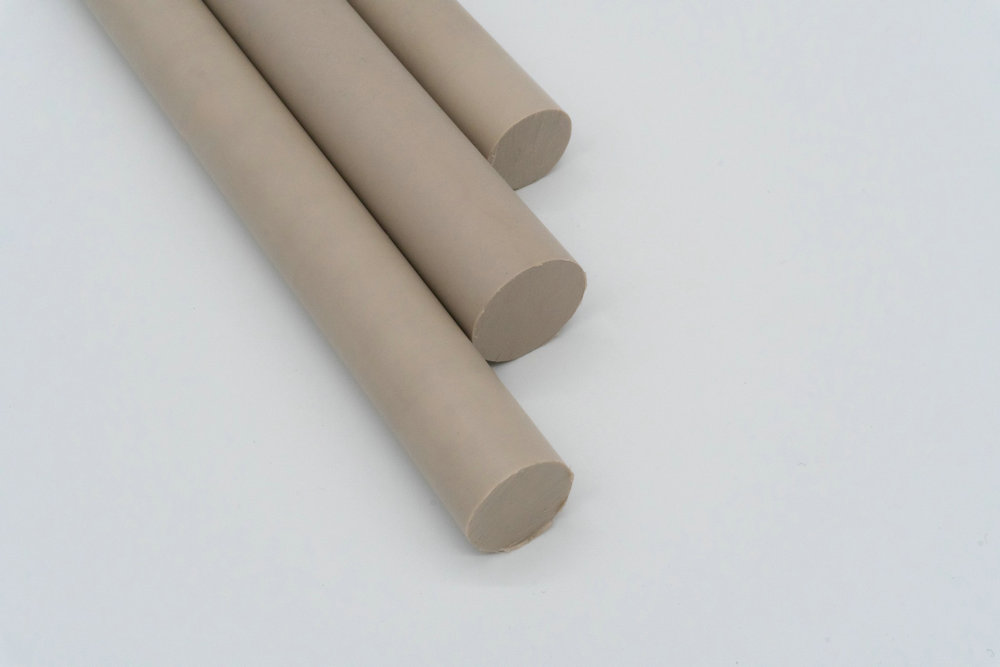
When selecting high-performance engineering plastics, PEEK rod diameter is one of the most critical parameters for design, machining, and application performance. Whether you are sourcing materials for aerospace, medical, or industrial components, understanding PEEK rod sizes, tolerances, and standard charts can significantly improve efficiency and reduce machining costs.
In this guide, we provide a complete PEEK rod diameter chart, explain standard size ranges, and offer a downloadable PEEK rod sizes PDF for engineering reference.
PEEK (Polyether Ether Ketone) rods are typically manufactured through extrusion or compression molding processes and are available in a wide range of diameters.
PEEK rod diameter refers to the cross-sectional size of the rod, usually measured in:
Millimeters (mm) – widely used in Europe and Asia
Inches (inch) – standard in the US market
Choosing the correct diameter is essential for:
CNC machining precision
Load-bearing capacity
Thermal expansion control
Sealing and tolerance performance
Below is a standard PEEK rod diameter chart covering commonly available sizes in both metric and imperial units.
| Diameter (mm) | Diameter (inch) | Typical Applications |
| 3 mm | 0.118" | Micro components, analytical instruments |
| 6 mm | 0.236" | Medical devices, small precision parts |
| 8 mm | 0.315" | Electronics and connectors |
| 10 mm | 0.394" | General machining |
| 12 mm | 0.472" | Bushings and sleeves |
| 16 mm | 0.630" | Mechanical components |
| 20 mm | 0.787" | Structural parts |
| 25 mm | 0.984" | Bearings and wear parts |
| 30 mm | 1.181" | Industrial applications |
| 40 mm | 1.575" | Heavy-duty components |
| 50 mm | 1.969" | Load-bearing parts |
| 60 mm | 2.362" | Aerospace components |
| 80 mm | 3.150" | Large industrial parts |
| 100 mm | 3.937" | High-strength applications |
| 150 mm | 5.906" | Custom machined components |
| 200 mm | 7.874" | Heavy structural engineering |
This table is essential for users searching: peek rod diameter chart / peek rod sizes chart
In global supply chains, understanding both metric and imperial sizes is crucial.
US Market → Inch-based (e.g., 1”, 2”, 3”)
EU/Asia Market → Metric-based (e.g., 20 mm, 50 mm, 100 mm)
1 inch = 25.4 mm
Many manufacturers produce rounded metric equivalents rather than exact conversions
Always confirm whether the supplier provides:
True inch sizes
Converted metric sizes
Or custom machining allowances
This ensures compatibility with your design drawings and avoids tolerance issues.
Tolerance control is a key factor when selecting PEEK rods.
Small diameters (<20 mm): -0/+0.5 mm
Medium diameters (20–100 mm): -0/+1 mm
Large diameters (>100 mm): -0/+2 mm
Extruded PEEK rods
Better for smaller diameters
More consistent tolerance
Compression molded rods
Suitable for large diameters
Slightly wider tolerance range
For precision parts, it is recommended to leave:
0.2 – 0.5 mm machining allowance
This ensures optimal surface finish and dimensional accuracy.
Full PEEK rod sizes chart
Metric & inch conversion table
Tolerance guidelines
Machining recommendations
Selecting the correct diameter depends on your application:
Recommended: 3 mm – 10 mm
Applications: medical devices, analytical instruments
Recommended: 10 mm – 50 mm
Applications: bushings, gears, seals
Recommended: 50 mm – 200 mm
Applications: aerospace, automotive, heavy industry
Mechanical load
Operating temperature
Chemical exposure
Machining requirements
Standard sizes do not always meet specific engineering needs.
Non-standard diameters
Cut-to-length rods
Tight tolerance machining
CNC-finished components
Manufacturers like ARKPEEK provide:
Custom PEEK rod production
High-precision machining
Engineering support for OEM applications
Choosing the right PEEK rod diameter directly impacts:
Product performance
Machining efficiency
Material waste reduction
Long-term reliability
A well-selected diameter reduces costs and improves consistency across production batches.
Understanding PEEK rod diameter, size charts, and tolerances is essential for engineers, designers, and procurement professionals.
This guide provides:
✔ Complete PEEK rod diameter chart
✔ Metric & imperial size comparison
✔ Tolerance and machining insights
✔ PDF download strategy for B2B conversion
If you are sourcing high-performance materials, selecting the correct PEEK rod size is the first step toward achieving optimal results.
Copyright © PEEKCHINA | Taizhou Ark International Trade Co.,Ltd. All Rights Reserved |
Sitemap
| Powered by



 EN
EN