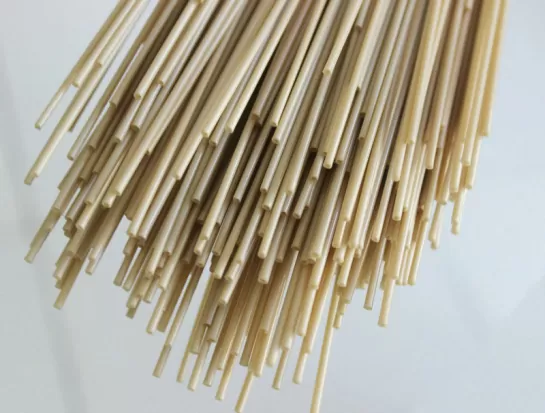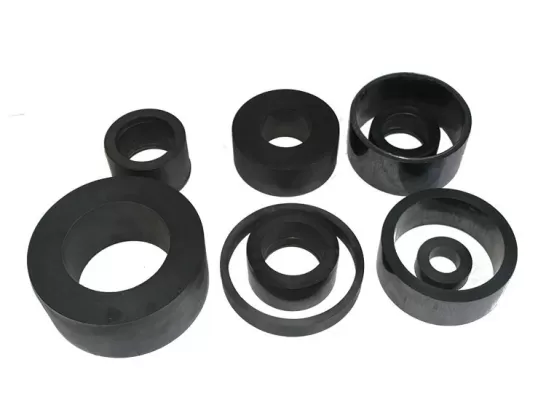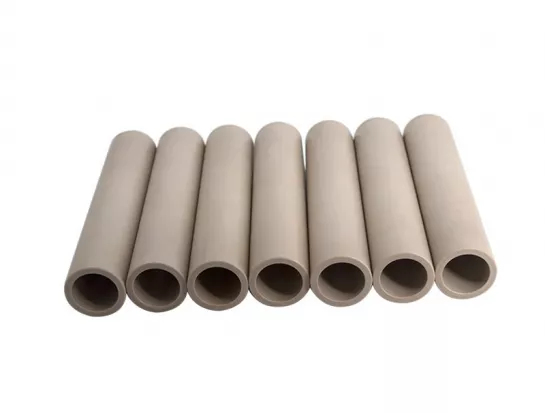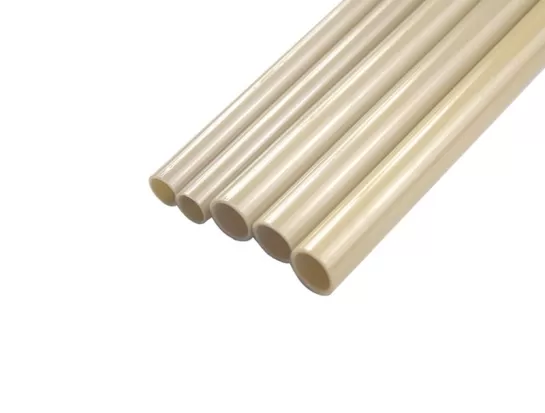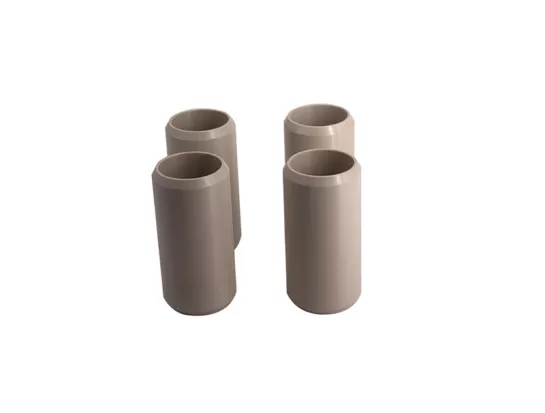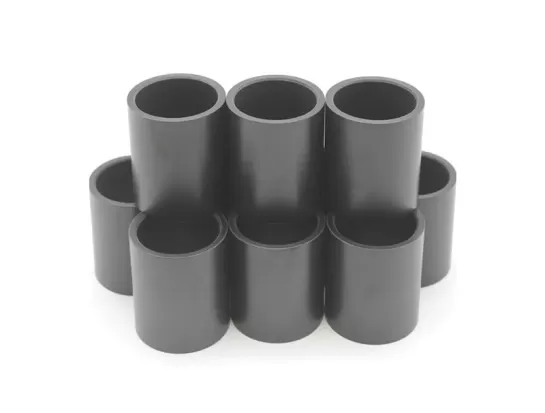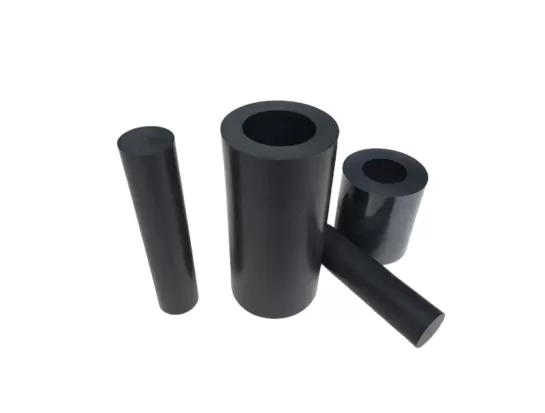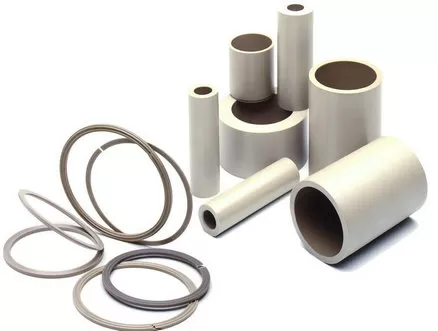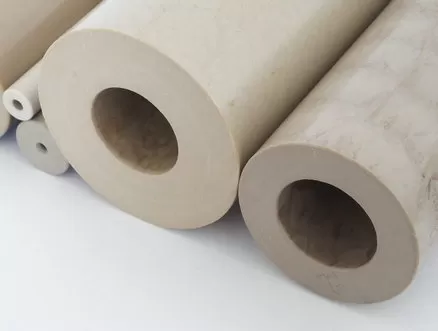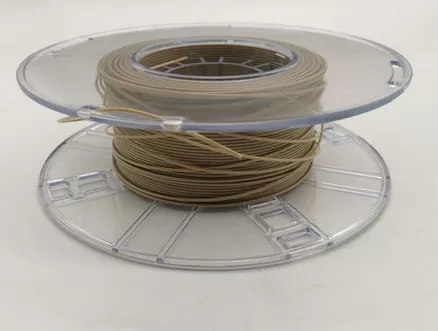
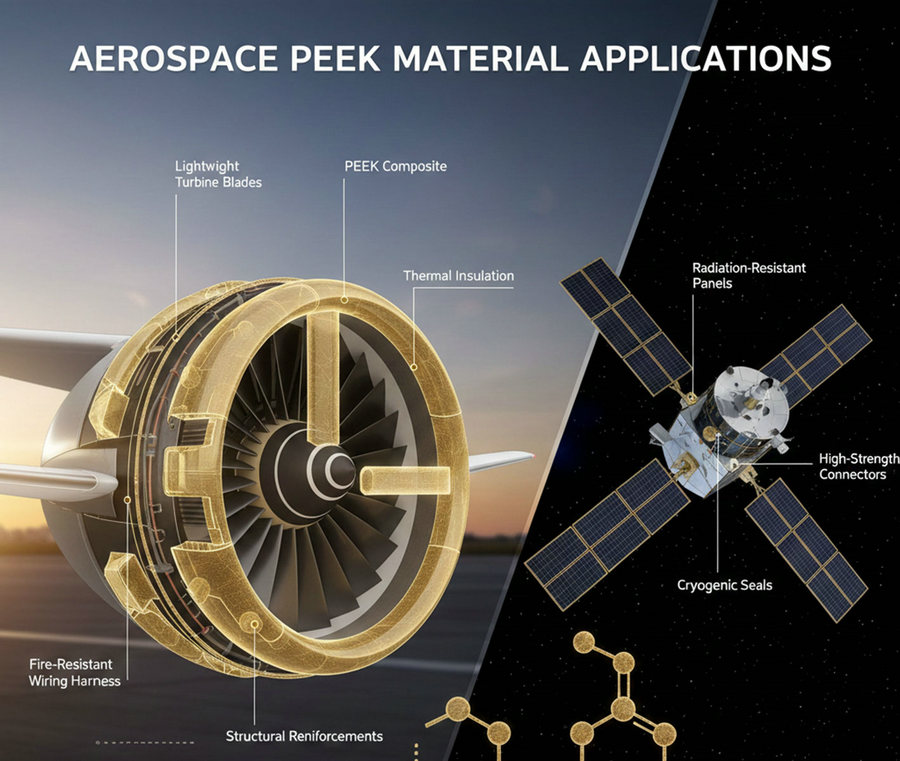
Polyetheretherketone (PEEK) is a high-performance thermoplastic engineering polymer known for its excellent mechanical strength, heat resistance, wear resistance, and chemical stability. Since its development in 1978, PEEK has been widely used in aerospace, medical, energy, and industrial applications.
Despite its outstanding properties, pure PEEK still has limitations such as high cost, brittleness, and limited wear and impact resistance in extreme conditions. To address these challenges, various modification technologies have been developed to enhance its overall performance and expand its applications.
Polymer blending is an effective way to improve PEEK's processability and performance. By combining PEEK with other high-performance polymers, materials with balanced properties can be obtained.
Blending PEEK with PPS (Polyphenylene Sulfide) improves wear resistance and processing performance, and enables the production of lightweight foamed materials with higher crystallinity and impact strength.
Blending with PES (Polyethersulfone) enhances thermal stability, mechanical strength, and dimensional stability, making it suitable for advanced applications such as fuel cell membranes.
PEEK can also be blended with PTFE (Polytetrafluoroethylene) to significantly reduce friction and improve wear resistance, especially in dry sliding conditions. When combined with graphite, the composite shows excellent tribological performance due to the synergy between lubrication and load-bearing capacity.
Filler reinforcement is one of the most widely used and cost-effective methods to enhance PEEK performance. By adding fibers or functional fillers, properties such as strength, stiffness, and thermal conductivity can be significantly improved.
Carbon fiber (CF) reinforced PEEK offers high strength, high modulus, and excellent chemical resistance, making it ideal for aerospace, medical implants, and high-performance structural components.
Glass fiber (GF) reinforced PEEK provides a more cost-effective solution while still improving mechanical properties and wear resistance.
Nanoparticle reinforcement further enhances functionality. For example, adding MgO improves thermal conductivity, while carbon nanotubes (CNTs) significantly enhance electrical conductivity and electromagnetic shielding performance. Bioceramic fillers such as hydroxyapatite (HAP) and zirconia (ZrO₂) improve bioactivity, making PEEK more suitable for medical implants.
Graphene is another important additive that improves mechanical strength, thermal stability, and electrical properties. Even a small amount of graphene can significantly enhance modulus and overall performance, especially in aerospace and 3D printing applications.
Surface modification allows PEEK to gain new surface properties without affecting its bulk performance. Common methods include plasma treatment, laser treatment, UV irradiation, and wet chemical modification.
Wet chemical methods can improve surface roughness and wettability, enhancing cell adhesion for biomedical applications. Sulfonation combined with metal coating can improve electrical conductivity and welding performance for electronic applications.
Laser treatment can increase surface roughness and modify wettability, improving bonding strength and wear resistance. At higher energy levels, surface carbonization may occur, further enhancing lubrication and reducing friction.
PEEK composite modification technologies-including polymer blending, filler reinforcement, and surface treatment-significantly expand the capabilities of PEEK materials. These advanced composites offer improved mechanical performance, wear resistance, thermal stability, and functional properties.
With continuous advancements in material science and processing technologies such as injection molding and 3D printing, PEEK composites are expected to play an increasingly important role in demanding environments, especially in aerospace, medical, and high-end industrial applications.
Copyright © PEEKCHINA | Taizhou Ark International Trade Co.,Ltd. All Rights Reserved |
Sitemap
| Powered by



 EN
EN