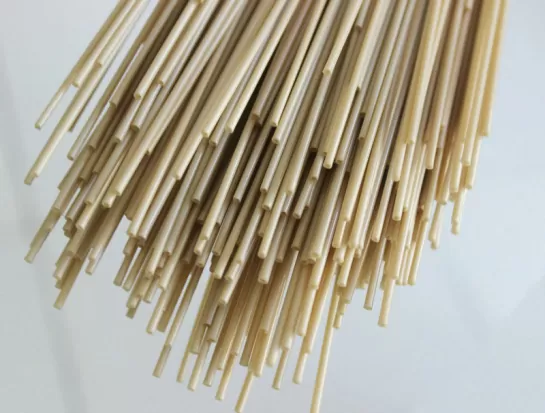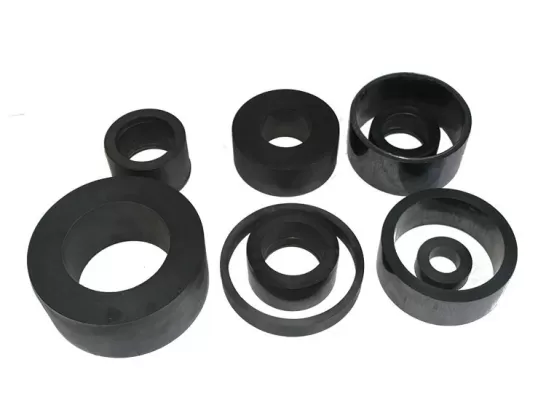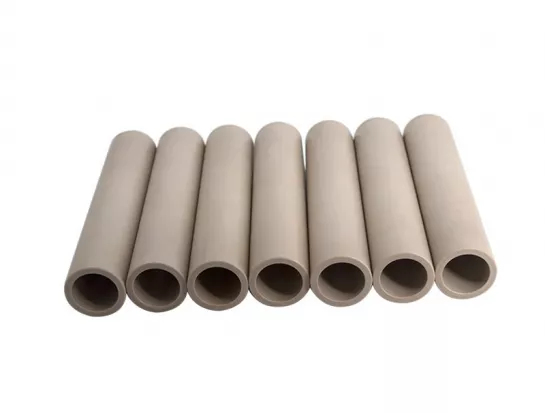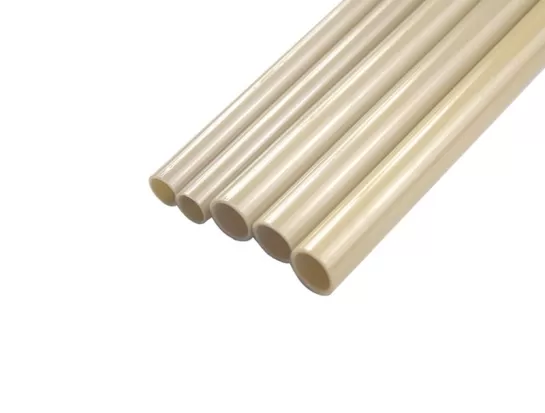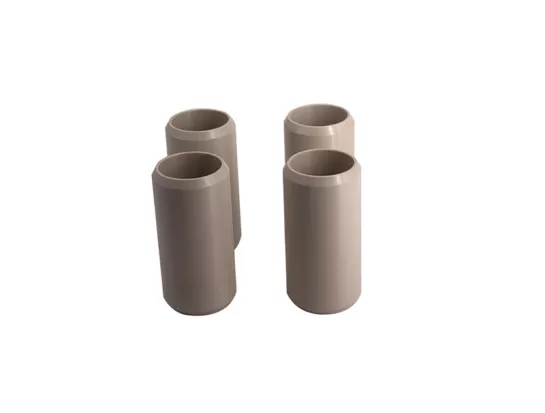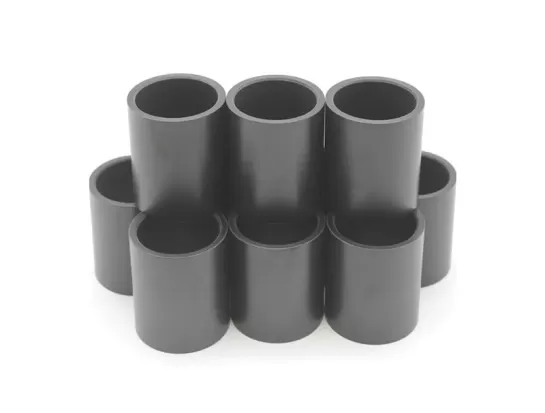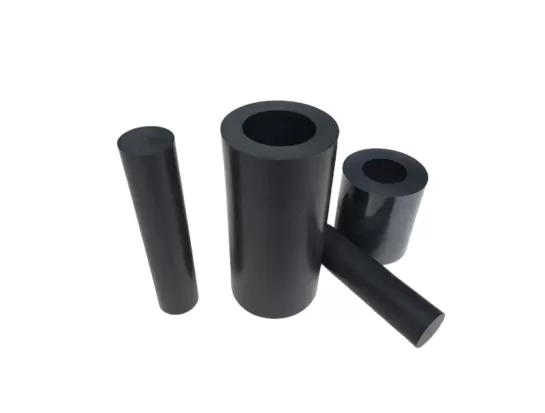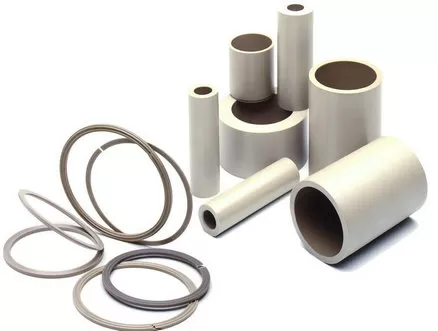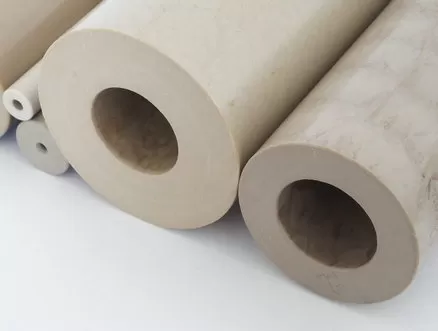
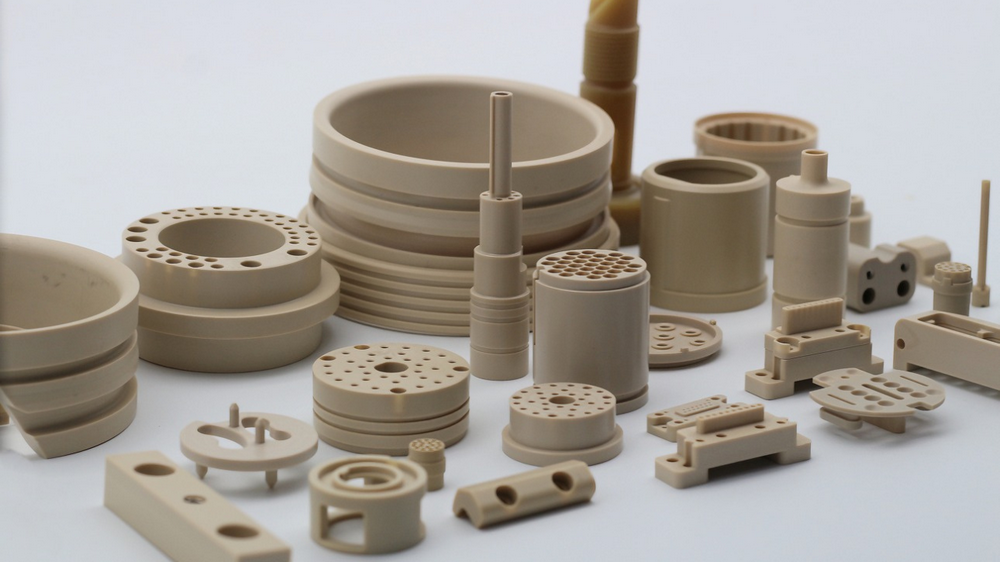
Polyether Ether Ketone (PEEK) is a semi-crystalline high-performance thermoplastic that can continuously operate at temperatures up to 250°C. It also offers excellent chemical resistance, making it widely used in demanding industries such as medical, aerospace, semiconductor, and oil & gas.
However, during PEEK injection molding, warping and deformation are common challenges—especially for beginners. This article explains the two main causes of deformation and provides practical solutions from the perspectives of part design and mold structure.
The primary reason for deformation in PEEK injection-molded parts is non-uniform shrinkage.
When shrinkage differs in various directions, internal stresses are generated. If these stresses exceed the material's strength, the part will deform after demolding.
Since PEEK is a semi-crystalline material, it naturally has a relatively high shrinkage rate. To reduce this effect:
Add glass fiber reinforcement to improve mechanical strength
Reduce shrinkage caused by molecular orientation
Improve dimensional stability
Mold design plays a critical role in deformation.
Due to structural differences:
Shrinkage in the thickness direction is greater than in the planar direction
Internal stresses tend to concentrate in the plane direction
Additionally:
Higher mold temperature areas shrink more
Lower temperature areas shrink less
This imbalance creates a bending moment, leading to part warpage.
Use simulation tools before mold manufacturing to:
Predict deformation trends
Optimize design in advance
This is now a mature and highly effective method in modern manufacturing.
Choose reinforced materials based on application:
Glass fiber-filled PEEK
Carbon fiber-filled PEEK
These materials:
Increase mechanical strength
Reduce internal stress
Improve resistance to warpage
Avoid abrupt thickness changes
Use smooth transitions instead of sharp edges
Design larger draft angles to reduce demolding stress
Prevent sticking during ejection
PEEK deformation during injection molding is mainly caused by:
Uneven shrinkage
Improper mold design
By combining:
Material reinforcement
Mold flow simulation
Smart structural design
Manufacturers can significantly reduce warpage and improve product quality.
Copyright © PEEKCHINA | Taizhou Ark International Trade Co.,Ltd. All Rights Reserved |
Sitemap
| Powered by



 EN
EN