Polyetheretherketone polymer, commonly known as PEEK, is a high-performance engineering thermoplastic belonging to the polyaryletherketone (PAEK) family. It is widely recognized for its exceptional combination of mechanical strength, heat resistance, chemical stability, and wear resistance, making it one of the most advanced engineering plastics available today.
Polyetheretherketone polymer was first developed in the late 1970s and quickly became an important material for demanding industrial applications. Compared with conventional plastics, this polymer maintains excellent performance under extreme environments such as high temperature, aggressive chemicals, and heavy mechanical loads.
Because of these properties, polyetheretherketone polymer is commonly used in industries such as aerospace, medical devices, automotive, electronics, and chemical processing.
Polyetheretherketone polymer is a semi-crystalline thermoplastic characterized by a molecular backbone composed of alternating ether and ketone groups.
This chemical structure provides several advantages:
Strong aromatic backbone for mechanical stability
Ether groups that improve processability and toughness
Ketone groups that increase thermal stability and chemical resistance
Thanks to this unique structure, polyetheretherketone polymer can maintain structural integrity in environments where many other plastics would deform or degrade.
Polyetheretherketone polymer is known for its outstanding performance compared with conventional engineering plastics such as nylon, PTFE, or polycarbonate.
PEEK polymer offers excellent mechanical properties, including:
High tensile strength
Excellent fatigue resistance
Outstanding dimensional stability
These properties make polyetheretherketone polymer suitable for load-bearing structural components.
One of the most important advantages of polyetheretherketone polymer is its ability to withstand extreme temperatures.
Typical thermal characteristics include:
Continuous service temperature: about 250°C (482°F)
Melting temperature: approximately 343°C (649°F)
Because of this thermal stability, PEEK polymer is widely used in high-temperature engineering environments.
Polyetheretherketone polymer shows excellent resistance to:
Organic solvents
Hydrocarbons
Acids and bases
Steam and hot water
This makes the material ideal for chemical processing equipment and laboratory instruments.
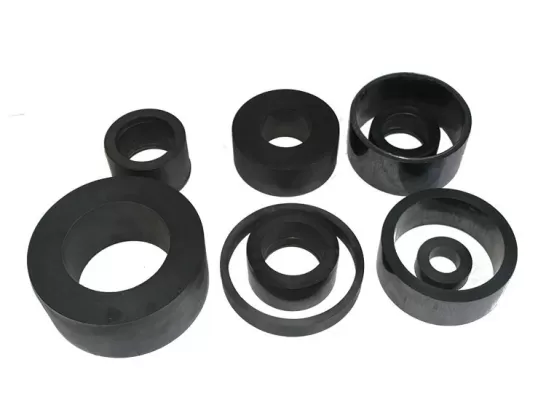
PEEK polymer has excellent wear resistance and low friction properties, particularly when modified with materials such as carbon fiber, graphite, or PTFE. These characteristics allow it to perform well in bearings, bushings, gears, and sliding components.
Another important advantage of polyetheretherketone polymer is its high strength-to-weight ratio. Compared with metal materials such as aluminum or stainless steel, PEEK components can significantly reduce weight while maintaining excellent mechanical performance.
Because of its unique combination of properties, polyetheretherketone polymer is used in a wide range of high-performance applications.
In aerospace engineering, polyetheretherketone polymer is commonly used for:
Aircraft structural components
Cable insulation systems
Bearings and bushings
Lightweight brackets and housings
The material’s resistance to high temperatures and chemicals makes it ideal for aerospace environments.
Polyetheretherketone polymer has become an important biomaterial due to its biocompatibility and radiolucency.
Typical medical applications include:
Spinal implants
Orthopedic implants
Dental implants
Surgical instruments
Unlike metal implants, PEEK does not interfere with medical imaging such as X-rays or CT scans.
In automotive engineering, polyetheretherketone polymer is used to replace metal components in order to reduce weight and improve efficiency.
Examples include:
Pump components
Sealing systems
Transmission parts
High-temperature connectors
The oil and gas industry uses polyetheretherketone polymer for components exposed to harsh environments, such as:
Compressor parts
Valve seats
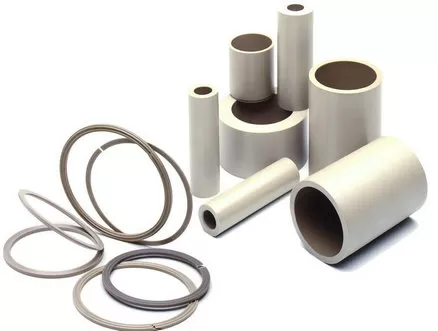
Sealing rings
Downhole equipment components
Its chemical resistance and mechanical strength make it suitable for demanding operating conditions.
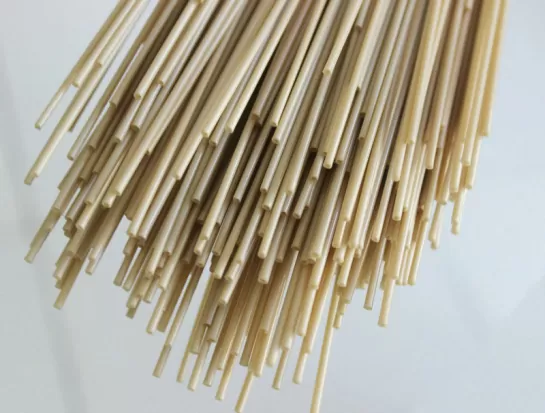
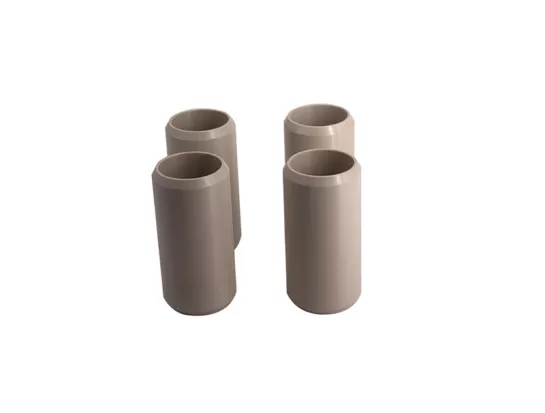
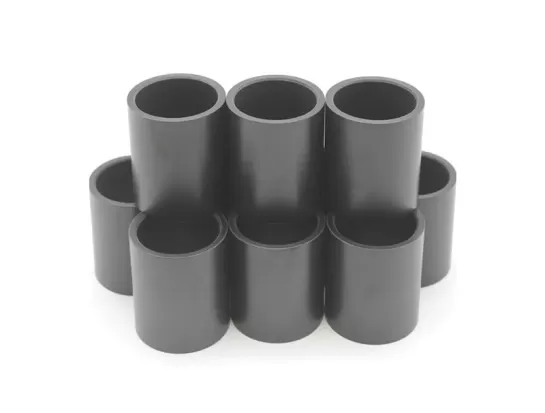
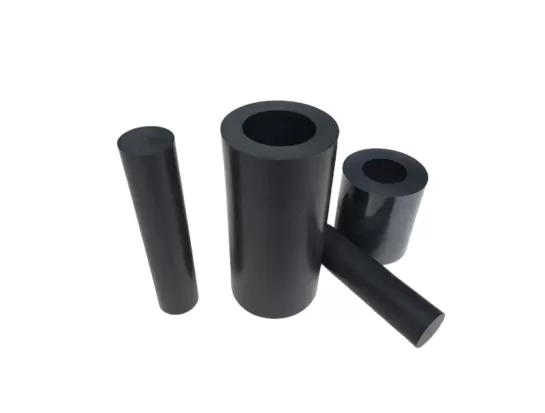
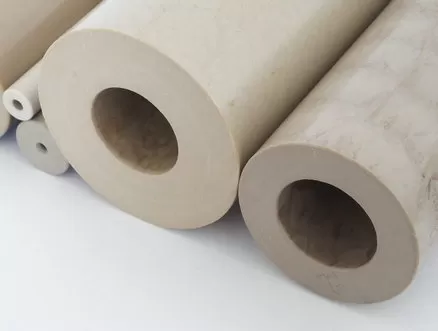
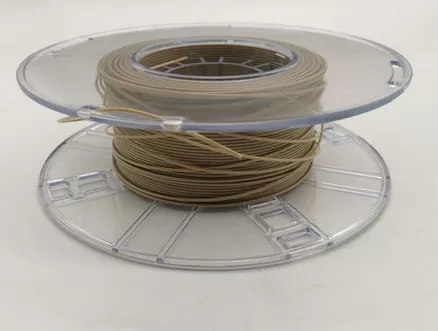
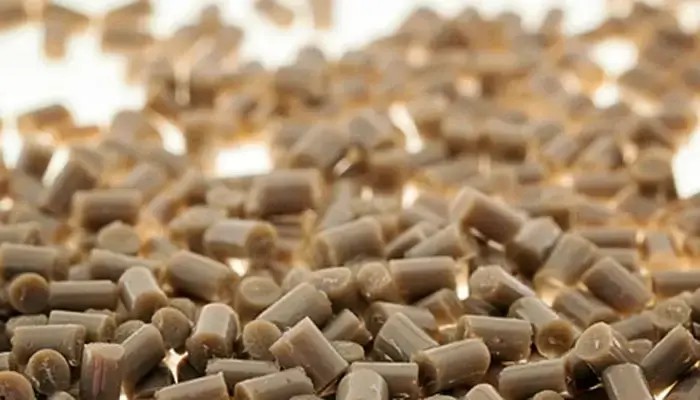
Polyetheretherketone polymer is available in several semi-finished forms that can be machined into custom parts.
PEEK rods are commonly used for CNC machining of precision components, including gears, bearings, and structural parts.
PEEK sheets and plates are widely used for:
Electrical insulation components
Structural parts
Semiconductor equipment components
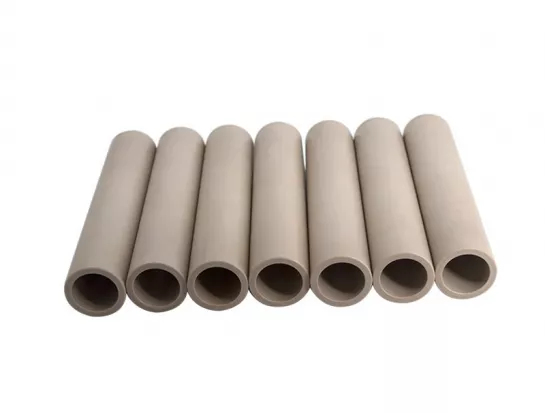
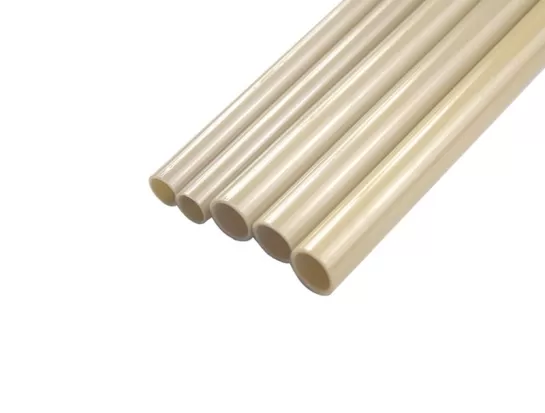
PEEK tubes are often used in:
Analytical instruments
Chemical fluid systems
High-purity laboratory applications
These semi-finished materials allow manufacturers to produce highly customized components for specific industrial needs.
Polyetheretherketone polymer has become one of the most important high-performance plastics because it combines multiple advantages rarely found in a single material.
Key benefits include:
Exceptional thermal stability
Outstanding mechanical strength
Excellent chemical resistance
Low friction and wear resistance
Long service life in extreme environments
Because of these characteristics, polyetheretherketone polymer is often selected as a high-performance alternative to metals or conventional plastics.
As industries continue to demand lighter, stronger, and more durable materials, the importance of polyetheretherketone polymer in modern engineering applications is expected to grow even further.
Copyright © PEEKCHINA | Taizhou Ark International Trade Co.,Ltd. All Rights Reserved |
Sitemap
| Powered by



 EN
EN