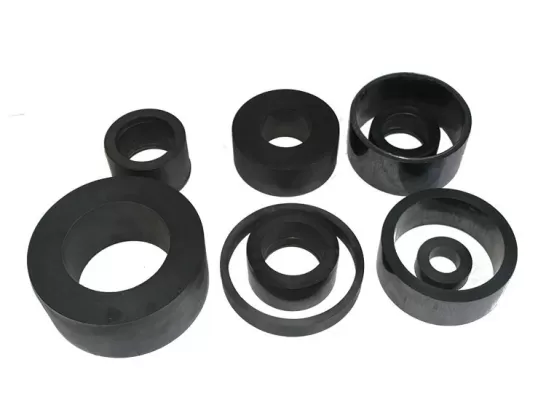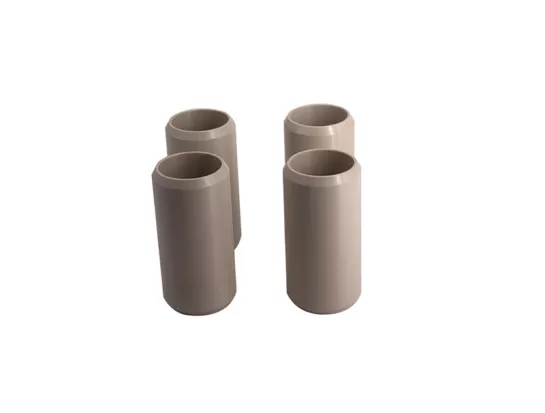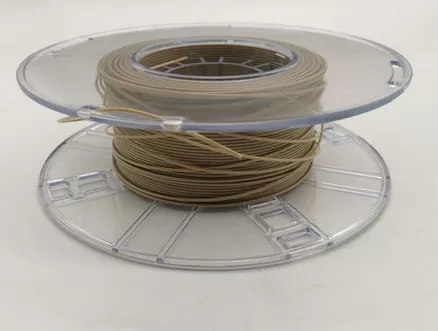
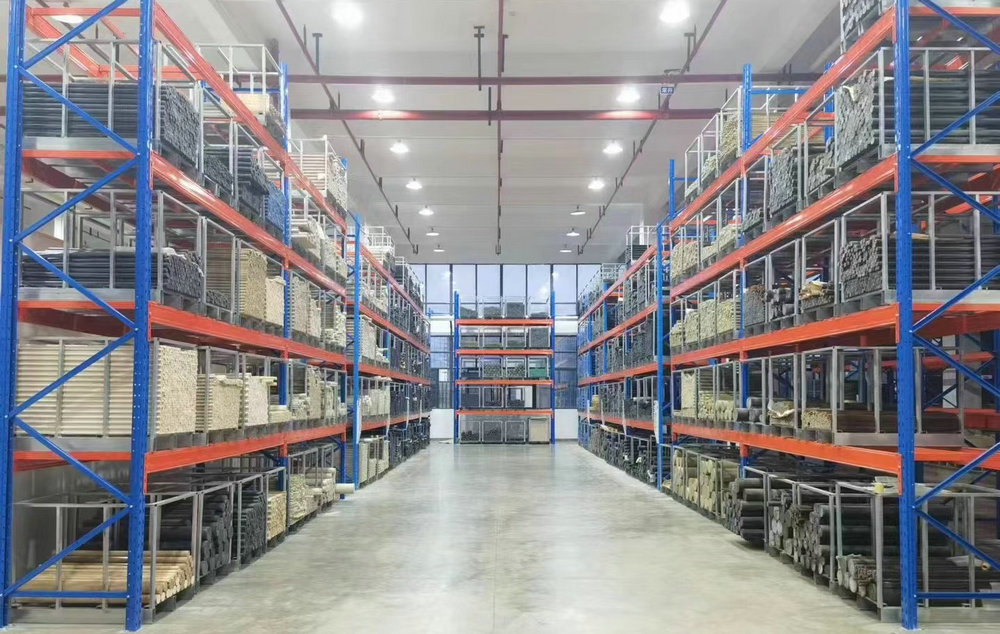
PEEK material, short for Polyether Ether Ketone, is a high-performance thermoplastic polymer belonging to the polyaryletherketone (PAEK) family. It was first developed for demanding engineering applications requiring superior mechanical and thermal stability.
PEEK's molecular structure consists of aromatic rings connected by ether and ketone groups, which provide exceptional rigidity and chemical stability. This structure allows the material to maintain its performance even under high temperatures, aggressive chemicals, and continuous mechanical stress.
Unlike standard plastics such as nylon or polypropylene, PEEK is specifically designed for extreme environments. It can operate continuously at temperatures up to 260°C (500°F) and maintain its mechanical strength in conditions where many other polymers would fail.
Because of these properties, PEEK is often classified as a super engineering plastic or ultra-high-performance polymer.
One of the main reasons engineers choose PEEK material is its outstanding balance of mechanical, thermal, and chemical properties.
Below is a typical overview of PEEK material properties.
| Property | Typical Value |
| Density | 1.30 g/cm³ |
| Continuous Service Temperature | 260°C |
| Melting Point | 343°C |
| Tensile Strength | ~90–100 MPa |
| Flexural Strength | ~140 MPa |
| Water Absorption | Very low |
| Chemical Resistance | Excellent |
| Wear Resistance | Excellent |
| Radiation Resistance | High |
These properties make PEEK suitable for demanding engineering environments where reliability is critical.
PEEK can withstand continuous operating temperatures of around 260°C, with short-term exposure even higher. This makes it suitable for aerospace components, semiconductor equipment, and high-temperature fluid systems.
PEEK resists a wide range of chemicals, including:
hydrocarbons
organic solvents
acids
bases
This property makes PEEK highly valuable in chemical processing and laboratory instrumentation.
PEEK maintains strong mechanical properties even at elevated temperatures. It has a high strength-to-weight ratio, making it an excellent alternative to metal in lightweight structural components.
PEEK has outstanding wear resistance and low friction characteristics, especially when reinforced with carbon fiber or PTFE additives. These properties are particularly beneficial in bearings, gears, and sliding components.
Different grades of PEEK material are available to meet specific performance requirements. The most common types include:
Pure PEEK offers balanced mechanical, thermal, and chemical properties. It is widely used in medical devices, semiconductor equipment, and analytical instrumentation.
Carbon fiber reinforced PEEK contains approximately 30% carbon fiber. This significantly improves:
stiffness
wear resistance
dimensional stability
CF30 PEEK is commonly used for mechanical parts such as gears, bearings, and compressor components.
Glass fiber reinforced PEEK improves structural rigidity and dimensional stability. It is often used for load-bearing components that require high strength.
Modified PEEK grades may contain additives such as:
PTFE
graphite
carbon fiber
These materials are engineered for enhanced wear resistance, reduced friction, or improved processing performance.
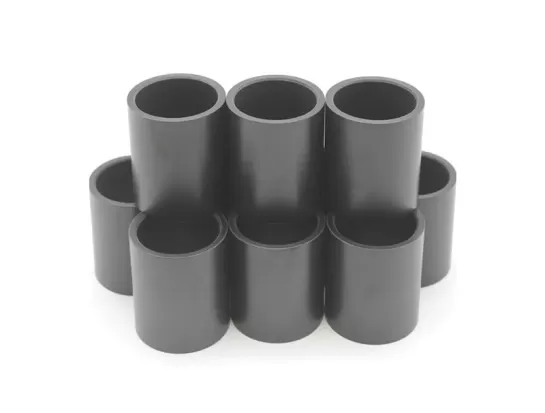
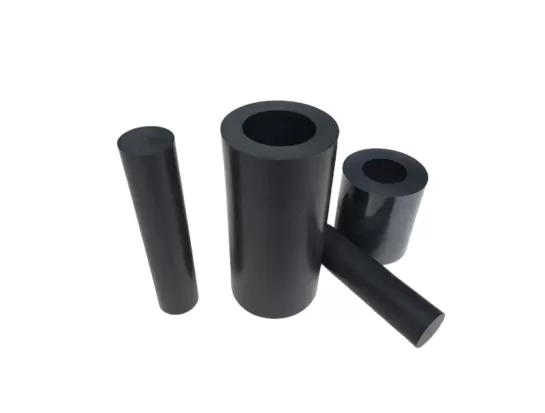
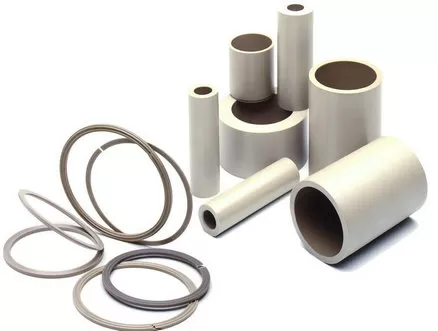
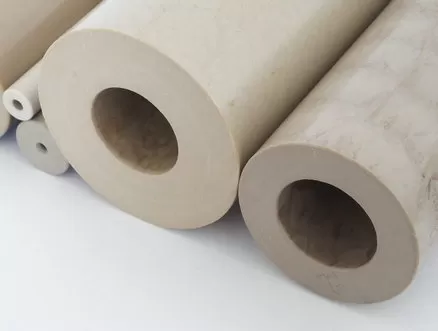
PEEK material is available in multiple semi-finished forms to support different manufacturing methods.
| Form | Typical Applications |
| PEEK Rod | Machining mechanical components |
| PEEK Sheet / Plate | Structural parts and panels |
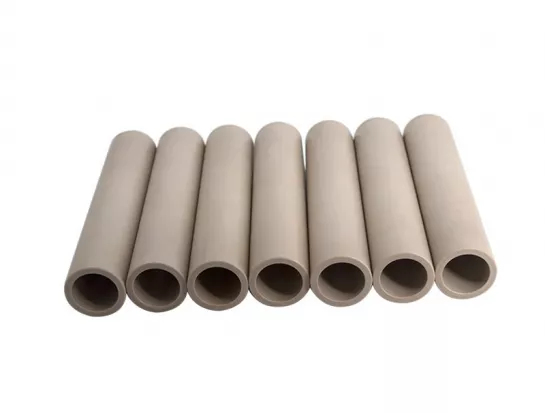
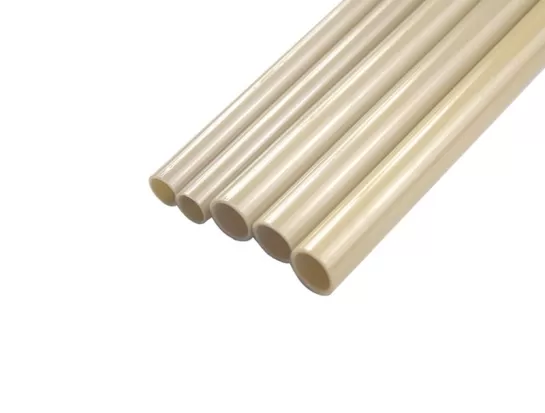
| PEEK Tube | Fluid transfer systems |
| PEEK Film | Electronics and insulation |
| PEEK Filament | Industrial 3D printing |
PEEK rods are widely used for machining precision components such as bushings, valve seats, and structural parts.
See also: PEEK Rod Products
PEEK sheets and plates are commonly used for structural components that require excellent mechanical strength and chemical resistance.
See also: PEEK Sheet and PEEK Plate
PEEK tubing is widely used in chromatography systems, medical devices, and microfluidic equipment due to its chemical stability and precision.
See also: PEEK Tubing
Thanks to its advanced performance, PEEK material is used in some of the most demanding industries.
In aerospace engineering, weight reduction is critical. PEEK provides a lightweight alternative to metal components while maintaining excellent strength and temperature resistance.
Typical aerospace applications include:
aircraft interior components
cable insulation
structural brackets
high-temperature seals
PEEK has excellent biocompatibility and sterilization resistance, making it suitable for medical implants and surgical instruments.
Common medical uses include:
spinal implants
dental implants
surgical instrument components
orthopedic fixation devices
The semiconductor industry requires materials that can withstand aggressive chemicals and ultra-clean environments. PEEK meets these requirements while maintaining dimensional stability.
Typical semiconductor uses include:
wafer handling components
chemical processing parts
insulation components
In oil and gas exploration, equipment is exposed to high pressure, extreme temperatures, and corrosive fluids. PEEK components offer reliable performance in these harsh environments.
Typical applications include:
compressor components
pump parts
valve seats
sealing elements
PEEK is increasingly used in high-performance automotive applications where lightweight materials improve fuel efficiency.
Examples include:
transmission components
gears
bearings
electrical connectors
In many advanced engineering applications, PEEK is replacing traditional metals.
Below is a comparison between PEEK and metal materials.
| Feature | PEEK | Metal |
| Weight | Very lightweight | Heavy |
| Corrosion Resistance | Excellent | May corrode |
| Chemical Resistance | Outstanding | Limited |
| Electrical Insulation | Excellent | Conductive |
| Machinability | Good | Moderate |
Because of these advantages, engineers increasingly use PEEK to replace aluminum, stainless steel, and other metals in lightweight designs.
PEEK components can be manufactured using several different processing techniques.
CNC machining is one of the most common methods for producing precision PEEK parts from rods, sheets, or plates.
Machining allows for:
tight tolerances
custom geometries
small production volumes
See also: PEEK CNC Machining Services
Injection molding is ideal for high-volume production of complex PEEK parts.
Industries using injection-molded PEEK include:
automotive
electronics
medical devices
Extrusion is used to produce continuous shapes such as tubes, rods, and profiles.
Extruded PEEK products are commonly used as semi-finished materials for further machining.
PEEK offers numerous advantages compared with other engineering plastics.
PEEK maintains its mechanical properties even at high temperatures.
PEEK can withstand aggressive chemicals, making it ideal for harsh industrial environments.
The material combines strength and stiffness with low weight.
Modified PEEK compounds provide excellent tribological performance.
PEEK components often last significantly longer than conventional plastics.
Despite its advantages, PEEK also has some limitations.
PEEK is significantly more expensive than standard engineering plastics.
Processing PEEK requires higher temperatures and specialized equipment.
Not all suppliers stock a full range of PEEK materials and forms.
Selecting the right supplier is critical for ensuring consistent quality and reliable performance.
Key factors to consider include:
Ensure the supplier provides certified high-quality PEEK materials with traceable raw material sources.
A reliable supplier should offer multiple forms of PEEK material, including:
rods
sheets
tubes
custom machined parts
Look for suppliers that provide:
CNC machining
custom fabrication
precision tolerances
For international businesses, a supplier with global logistics support can significantly reduce delivery times.
As advanced industries continue to evolve, the demand for PEEK material is expected to grow.
Key growth sectors include:
electric vehicles
aerospace engineering
semiconductor manufacturing
medical implants
robotics
New composite PEEK materials and additive manufacturing technologies are also expanding the potential applications of this high-performance polymer.
Copyright © PEEKCHINA | Taizhou Ark International Trade Co.,Ltd. All Rights Reserved |
Sitemap
| Powered by



 EN
EN