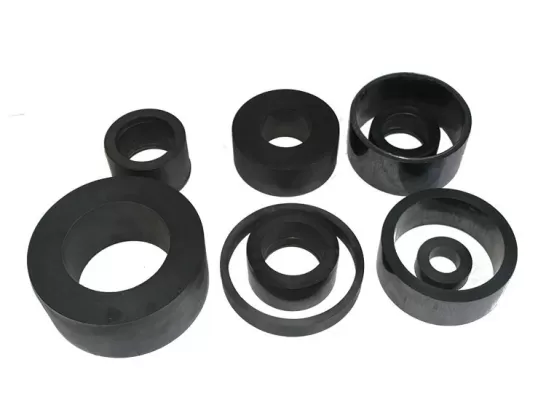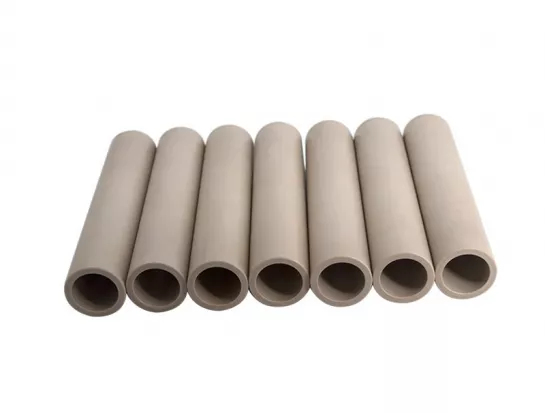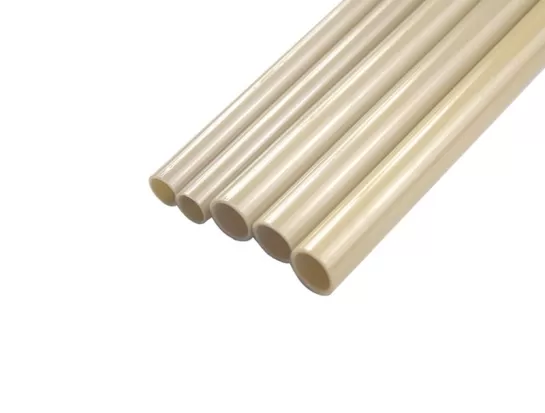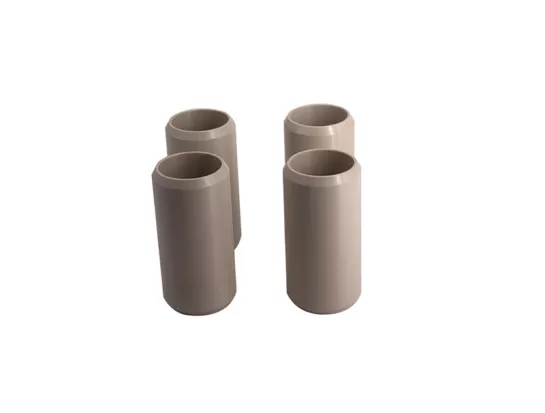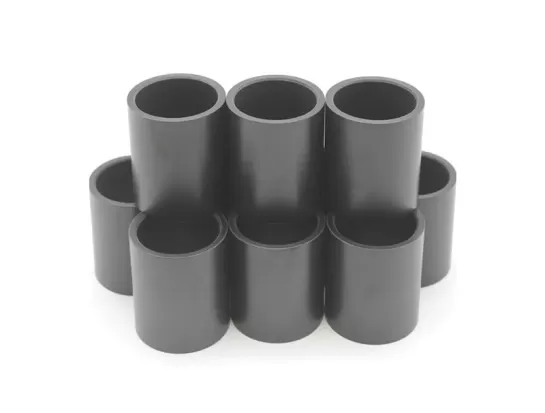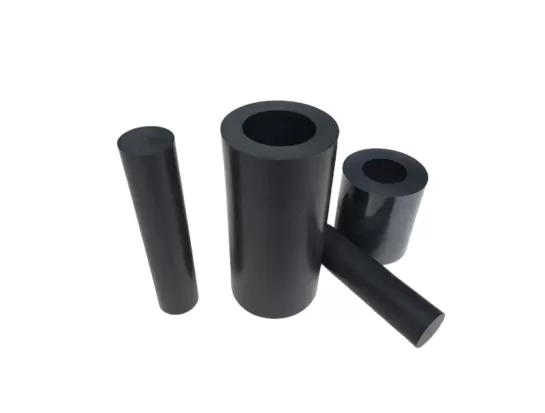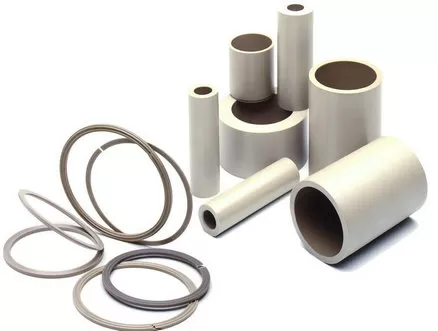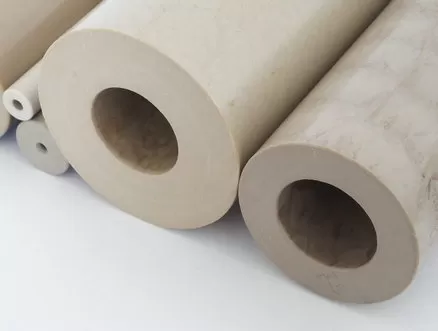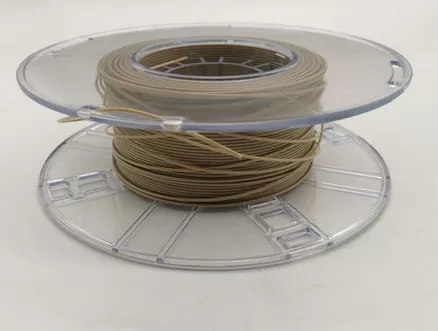
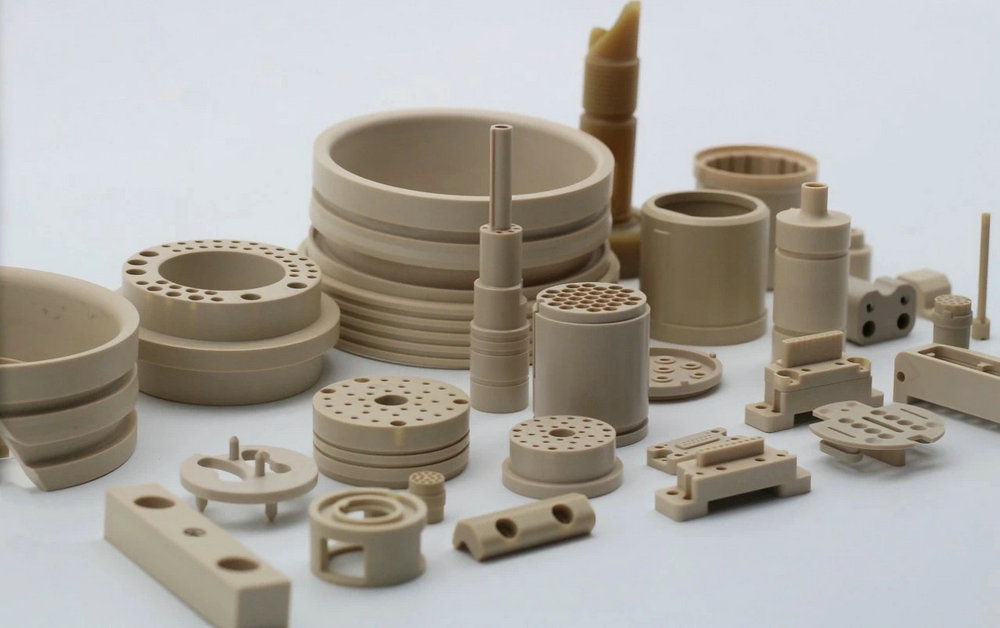
Polyether Ether Ketone (PEEK) is widely recognized as one of the most advanced high-performance engineering plastics available today. Known for its exceptional strength, high temperature resistance, chemical stability, and wear resistance, PEEK is widely used in industries such as aerospace, medical devices, automotive, oil & gas, and semiconductor manufacturing.
However, one question frequently asked by engineers, procurement managers, and manufacturers is:
What is the actual PEEK price?
Compared with standard engineering plastics such as nylon, polycarbonate, or PTFE, the PEEK material price is significantly higher. This leads many buyers to wonder why PEEK costs more and what factors influence its price.
In this guide, we will explore:
Typical PEEK price ranges
What affects the cost of PEEK
PEEK price differences between grades and product forms
Why PEEK is considered a premium engineering plastic
Tips for purchasing PEEK materials efficiently
Understanding the pricing structure of PEEK can help manufacturers and buyers make better material selection decisions.
The PEEK price can vary significantly depending on several factors, including material grade, reinforcement type, certification requirements, and production volume.
In the global engineering plastics market, the typical price range for PEEK materials is approximately:
| PEEK Type | Price Range |
| Natural / Unfilled PEEK | $40 – $60 per kg |
| Glass Fiber Reinforced PEEK (GF30) | $55 – $75 per kg |
| Carbon Fiber Reinforced PEEK (CF30) | $60 – $150 per kg |
| Medical-grade PEEK | $80 – $120+ per kg |
| Implant PEEK | $1000 – 2000+ per kg |
These prices represent general industry averages. Actual PEEK material prices may vary depending on supplier, brand, order quantity, and regional supply conditions.
Compared to standard plastics, PEEK is clearly positioned in the high-performance materials category, which explains its premium cost.
One of the most common questions in the engineering plastics industry is:
Why is the PEEK price so high?
There are several reasons that explain the relatively high cost of PEEK materials.
PEEK is produced through a highly controlled polymerization process that requires specialized raw materials and precise reaction conditions.
The production process involves high-temperature synthesis and strict quality control, which significantly increases manufacturing costs compared to common thermoplastics.
PEEK has a melting temperature of around 343°C (649°F), which is much higher than most engineering plastics.
Because of this:
Specialized high-temperature equipment is required
Energy consumption during production is higher
Processing complexity increases
All these factors contribute to a higher PEEK plastic price.
Unlike commodity plastics such as polyethylene or polypropylene, the number of companies capable of producing high-quality PEEK resin is relatively limited.
Major global producers include:
Victrex
Solvay
Evonik Industries
ARKPEEK
Because of this limited supply, the global PEEK market tends to maintain higher price levels.
PEEK offers a combination of properties rarely found in other plastics:
Continuous operating temperature up to 260°C
Excellent chemical resistance
Outstanding wear resistance
High mechanical strength
Radiation resistance
Biocompatibility for medical applications
These advanced properties justify the higher PEEK material cost in high-performance applications.
In industries such as aerospace and medical devices, PEEK materials often require additional certifications and traceability documentation.
Examples include:
Medical implant grades
Aerospace-grade materials
High-purity semiconductor grades
The testing and certification process increases overall production costs, which is reflected in the final PEEK price.
To better understand the market position of PEEK, it is useful to compare its price with other engineering plastics.
| Material | Approximate Price |
| Nylon (PA) | $3 – $5 per kg |
| Polycarbonate (PC) | $4 – $6 per kg |
| PTFE | $10 – $20 per kg |
| PPS | $8 – $15 per kg |
| PEEK | $40 – $120+ per kg |
Although PEEK is significantly more expensive, its performance often allows it to replace metals such as stainless steel or titanium in demanding applications.
This can lead to advantages such as:
Reduced component weight
Improved corrosion resistance
Lower maintenance costs
Simplified manufacturing
In many cases, the overall life-cycle cost of using PEEK may actually be lower than using metal components.
The PEEK price also varies depending on the form in which the material is supplied.
Common PEEK product forms include:
PEEK resin is typically used for:
Injection molding
Extrusion
Compounding
Resin is usually supplied in pellet form and is purchased by manufacturers producing finished plastic parts.
PEEK rods are widely used for CNC machining and custom component manufacturing.
Typical applications include:
mechanical parts
pump components
compressor parts
semiconductor equipment
Rod diameters can range from a few millimeters to more than 200 mm.
PEEK sheets and plates are commonly used in:
aerospace structural components
electrical insulation
semiconductor equipment
industrial machinery
Sheets are usually produced through extrusion or compression molding.
PEEK tubing is especially popular in analytical instrumentation, chromatography systems, and medical devices.
Because of its excellent chemical resistance and dimensional stability, PEEK tubing is widely used in high-precision fluid transfer systems.
Several factors can influence the final PEEK material price in the market.
Different grades of PEEK have different prices:
natural PEEK
glass-filled PEEK
carbon-filled PEEK
medical PEEK
high-purity PEEK
Reinforced grades are typically more expensive due to additional processing.
Well-known global brands often command higher prices due to strict quality control and brand reputation.
However, many emerging manufacturers are now offering competitive alternatives with comparable performance.
Like most industrial materials, the PEEK price is influenced by purchase volume.
Large-scale orders generally receive:
lower unit prices
better logistics efficiency
more stable supply
When PEEK is supplied as custom machined parts, the cost includes:
raw material price
machining time
tooling wear
quality inspection
Complex precision components may therefore have significantly higher prices than standard semi-finished materials.
PEEK demand has been increasing due to growth in industries such as:
electric vehicles
aerospace
medical implants
semiconductor manufacturing
As demand grows, the PEEK material market continues to expand globally.
Although the PEEK price is higher than most plastics, its performance advantages often make it the best material choice for demanding environments.
PEEK is particularly valuable in applications requiring:
extreme temperatures
aggressive chemicals
high mechanical loads
long service life
lightweight alternatives to metal
For industries where reliability and durability are critical, PEEK can provide significant long-term benefits.
For companies planning to use PEEK materials, several strategies can help optimize cost efficiency.
Not every application requires high-end reinforced or medical grades. Selecting the correct grade can significantly reduce material costs.
Designing parts specifically for plastic materials can reduce waste and machining complexity.
Using PEEK rods, sheets, or tubes for machining can be more economical than custom molded parts for small production runs.
Experienced suppliers can provide technical support and help identify the most cost-effective material solutions.
The PEEK price reflects the exceptional performance and manufacturing complexity of this high-performance engineering plastic.
Although it is more expensive than most thermoplastics, PEEK offers a unique combination of properties that make it indispensable in many high-technology industries.
By understanding the factors that influence PEEK material cost, engineers and buyers can make informed decisions and optimize their material selection strategies.
As demand for high-performance materials continues to grow worldwide, PEEK is expected to remain one of the most important advanced polymers in modern engineering.
Copyright © PEEKCHINA | Taizhou Ark International Trade Co.,Ltd. All Rights Reserved |
Sitemap
| Powered by



 EN
EN