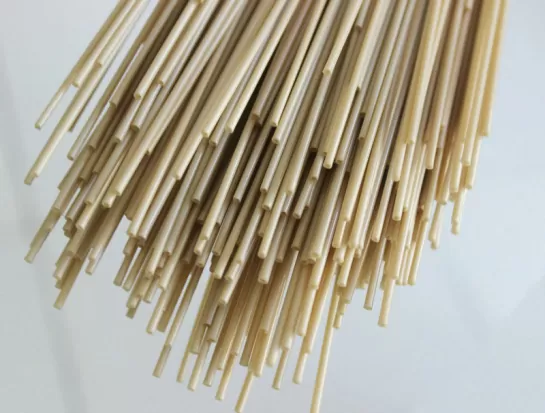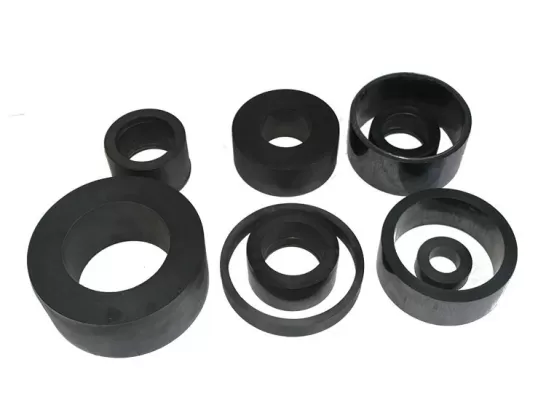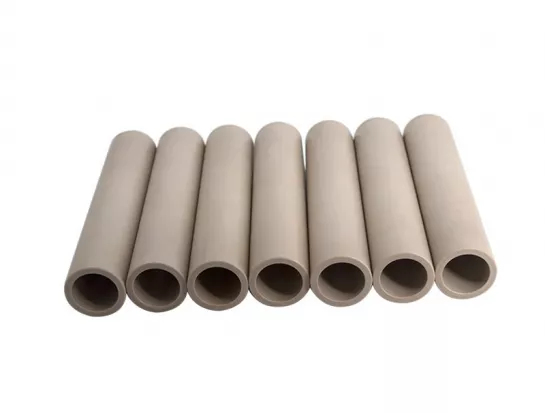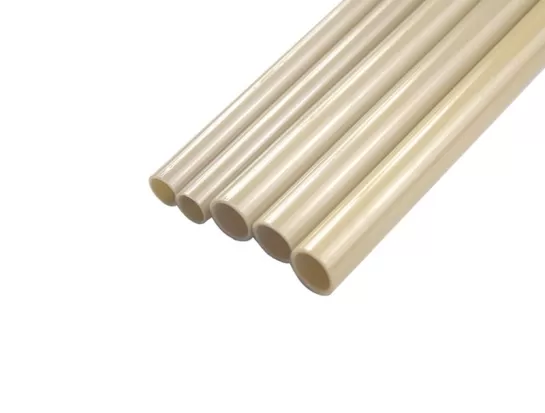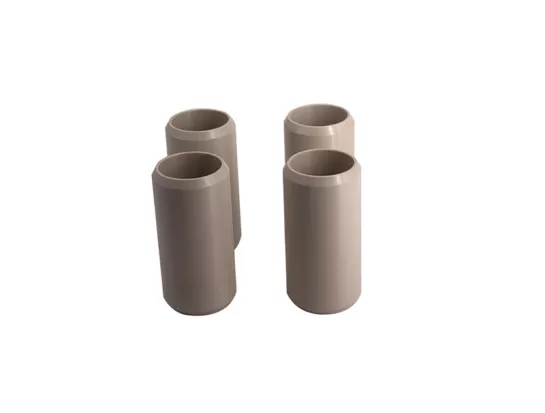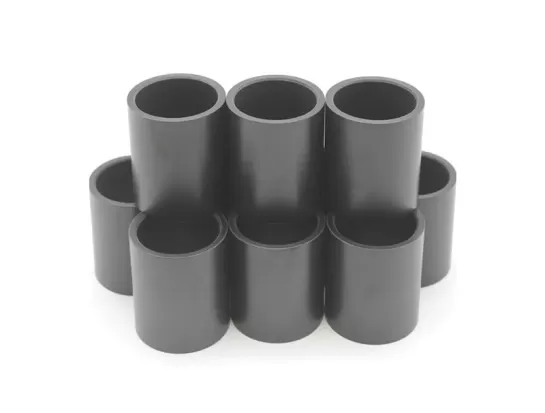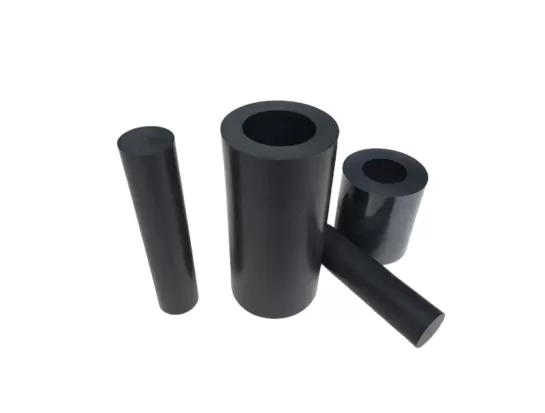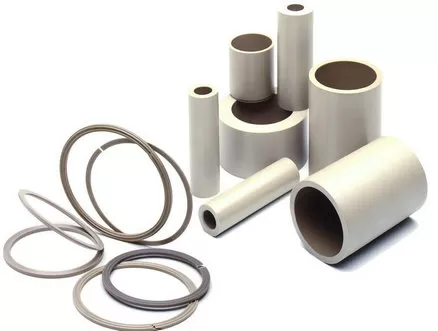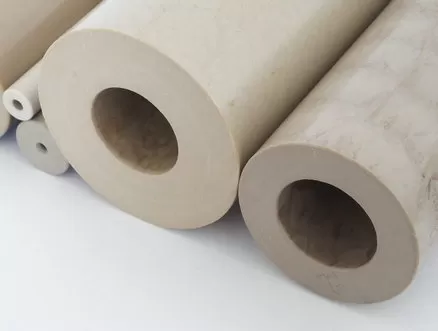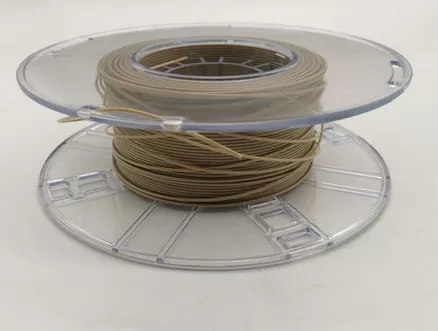
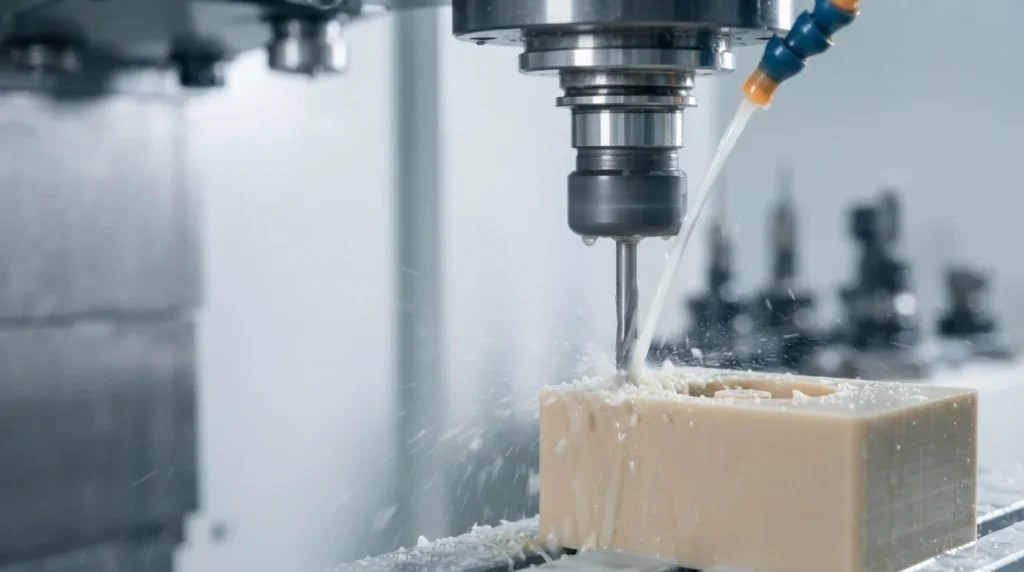
Polyether Ether Ketone (PEEK) is one of the world's most advanced high-performance engineering thermoplastics. Thanks to its exceptional mechanical strength, high-temperature resistance, chemical stability, and wear resistance, PEEK has become the preferred material for aerospace, medical, semiconductor, oil & gas, automotive, and industrial applications.
However, many manufacturers discover that achieving the expected performance from PEEK is far more difficult than selecting the right material grade. Surface defects, dimensional instability, black spots, warpage, weld lines, and internal porosity are common production challenges that can significantly reduce product quality.
In most cases, these problems are not caused by the PEEK material itself, but by improper processing conditions. Because PEEK has a narrow processing window and requires precise temperature control, mold design, and equipment optimization, even small deviations can lead to costly defects.
This guide summarizes the most common issues encountered during PEEK extrusion and PEEK injection molding, together with practical solutions that help manufacturers improve product quality, reduce scrap rates, and achieve stable production. The recommendations are based on engineering experience and practical processing observations described in the source material.
Unlike conventional engineering plastics, PEEK is processed at temperatures above 380°C, requiring excellent control of:
Material drying
Barrel and mold temperature
Melt pressure
Cooling rate
Shear rate
Mold design
Equipment cleanliness
Optimizing only one parameter rarely solves a processing issue. Stable production requires balancing material properties, machine capability, tooling, and part design.
Extruded rods, tubes, or sheets exhibit:
White unmelted particles
Rough texture
Poor surface finish
Incomplete plasticization
Barrel temperature too low
Die temperature insufficient
Melt not fully plasticized
Oversized die flow channel
Increase barrel and die temperatures to achieve complete melting.
Ensure the melt reaches the proper processing temperature before entering the die.
Optimize die flow design to eliminate stagnant flow regions.
Verify material residence time for complete plasticization.
The extruded profile shows:
Uneven texture
Orange peel appearance
Poor gloss
Rough touch
Low melt fluidity
Poor die surface finish
Excessively rapid cooling
Increase barrel or die temperature to improve melt flow.
Polish and thoroughly preheat the extrusion die.
Replace quench cooling with controlled multi-stage cooling to reduce surface stress.
Internal air pockets or porous cross-sections reduce:
Mechanical strength
Pressure resistance
Sealing performance
Moisture in raw material
Trapped gases
Insufficient compaction pressure
Rapid surface solidification
One of the most important processing steps is proper material drying.
Best practices include:
Dry PEEK at approximately 150°C for at least 3 hours
Use gradual heating to allow trapped gases to escape
Increase forming pressure for better melt compaction
Eliminate residual moisture before extrusion
Products contain:
Black particles
Carbonized contamination
Black streaks
Dark center core
Material degradation
Dead zones inside barrel or die
Excessive processing temperature
Overheating caused by excessive shear
Clean the barrel, screw, and die regularly.
Remove dead corners where degraded resin accumulates.
Reduce processing temperature if necessary.
Control head pressure to prevent excessive melt residence.
For glass fiber reinforced PEEK, reduce shear heating generated by fiber friction.
The center of extruded rods exhibits spiral flow lines following screw rotation.
Melt retains rotational flow after leaving the screw.
Poor flow stabilization.
Install breaker plates or screen packs.
Extend the die land to stabilize melt flow.
Thoroughly clean the screw and barrel to eliminate contamination that may disturb flow.
Injection molded parts may develop:
Yellow discoloration
Black carbon particles
Darkened appearance
Burn marks
Excessive melt temperature
Long residence time
Material oxidation
Moisture
Contamination
Reduce barrel temperature when possible.
Avoid excessive residence time.
Clean the screw and barrel thoroughly.
Dry PEEK before molding (150°C for approximately 3 hours).
Optimize injection speed to minimize excessive shear heating.
Visible depressions appear near:
Thick walls
Ribs
Bosses
Insufficient packing pressure
Early gate freeze
Uneven wall thickness
High shrinkage
Increase holding pressure.
Extend holding time.
Reduce melt temperature where appropriate.
Increase gate size.
Position the gate near thicker sections whenever possible.
Visible weld lines occur where melt fronts meet.
These areas often exhibit significantly lower mechanical strength.
Low mold temperature
Poor venting
High melt viscosity
Improper gate location
Increase mold temperature.
Raise melt temperature and injection speed.
Improve mold venting.
Relocate the gate to move weld lines away from highly stressed areas.
Add overflow wells when practical.
Thin-wall sections or distant regions fail to fill completely.
High melt viscosity
Low injection pressure
Low mold temperature
Small gate size
Poor venting
Increase injection speed and pressure.
Raise mold temperature.
Increase shot size if necessary.
Enlarge runners and gates.
Improve venting to eliminate trapped air.
Finished parts become:
Bent
Twisted
Distorted
Poor flatness can cause assembly failures and dimensional inaccuracies.
Uneven crystallization
Mold temperature imbalance
Excessive residual stress
Improper cooling
Maintain uniform mold temperature throughout the cavity.
Keep temperature differences between mold halves within approximately 10°C.
Reduce holding pressure when appropriate.
Optimize gate location for balanced filling.
Extend cooling time before ejection.
Design efficient cooling channels for uniform heat removal.
Whether you are extruding rods and tubes or molding precision components, consistent quality depends on a systematic processing approach.
Key recommendations include:
Always dry PEEK thoroughly before processing.
Keep processing equipment clean to prevent carbon contamination.
Maintain stable melt and mold temperatures.
Optimize injection pressure, holding pressure, and cooling time together rather than individually.
Design gates, runners, and cooling systems specifically for PEEK's high viscosity and crystallization characteristics.
Continuously monitor processing consistency to reduce variation between production batches.
PEEK processing is not simply about following recommended temperatures. Every application has unique requirements based on part geometry, wall thickness, reinforcement type, and equipment capability.
Successful production depends on understanding how material behavior interacts with processing conditions. A systematic optimization strategy often delivers significantly better results than adjusting a single machine parameter.
Manufacturers with extensive processing experience can help reduce development time, improve production stability, and achieve consistent high-quality PEEK components throughout the entire manufacturing process. These conclusions align with the engineering guidance summarized in the source document.
PEEK is one of the most capable engineering plastics available today, but it also demands one of the most carefully controlled manufacturing processes.
By understanding the root causes of extrusion and injection molding defects—including rough surfaces, porosity, black spots, sink marks, weld lines, short shots, and warpage—manufacturers can dramatically improve product quality while reducing scrap and production costs.
Rather than treating each defect independently, the most effective strategy is to optimize material preparation, processing parameters, mold design, and equipment maintenance as a complete system. With the right expertise and process control, PEEK components can consistently achieve the outstanding mechanical, thermal, and chemical performance for which the material is known.
Copyright © PEEKCHINA | Taizhou Ark International Trade Co.,Ltd. All Rights Reserved |
Sitemap
| Powered by



 EN
EN