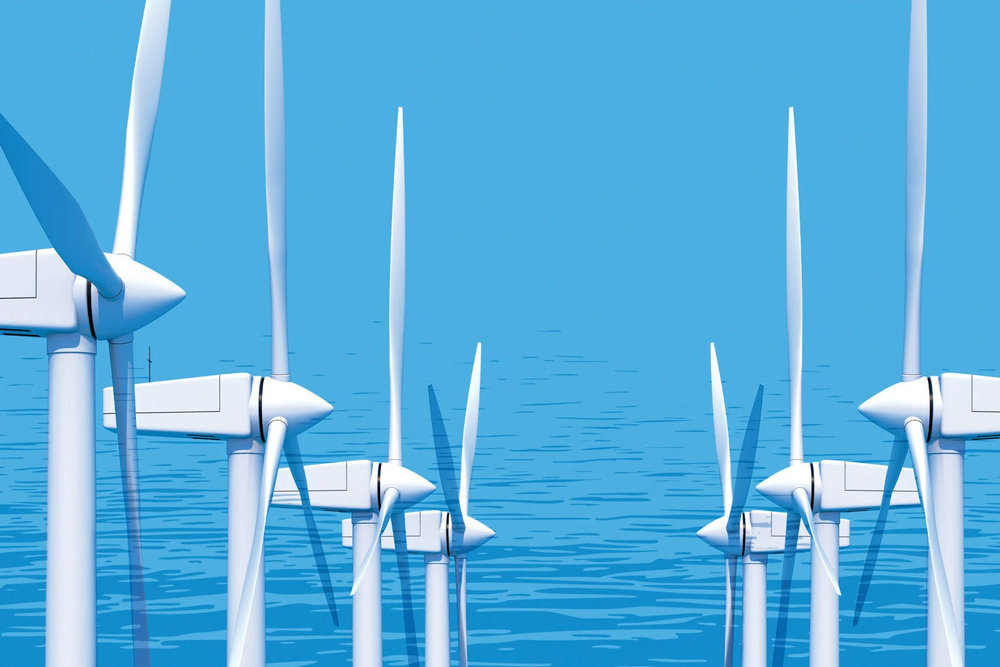
As global renewable energy development accelerates, offshore wind power is moving from nearshore installations toward deeper waters and larger turbine platforms. Modern offshore wind turbines are rapidly advancing toward ultra-high capacities, creating increasingly demanding requirements for engineering materials.
Deep offshore environments expose wind turbine components to harsh conditions, including continuous salt spray, seawater corrosion, temperature fluctuations, high mechanical loads, and limited maintenance accessibility. Traditional metallic materials often face challenges such as corrosion, weight limitations, lubrication requirements, and fatigue degradation.
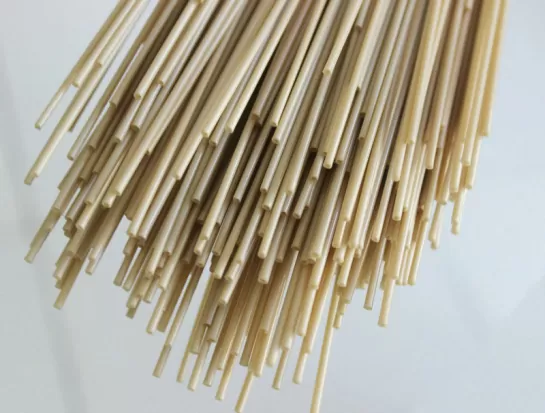
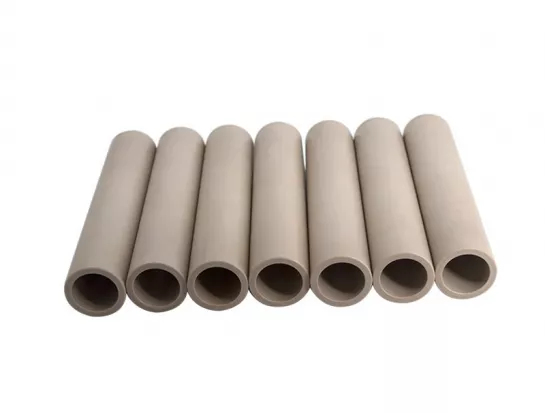
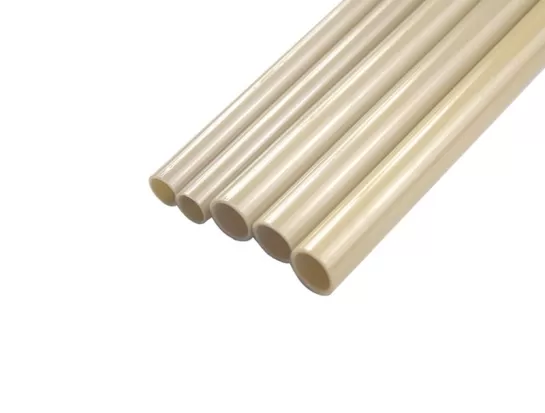
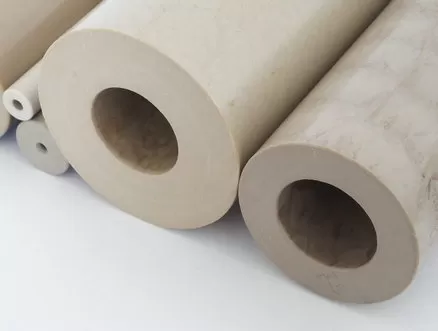
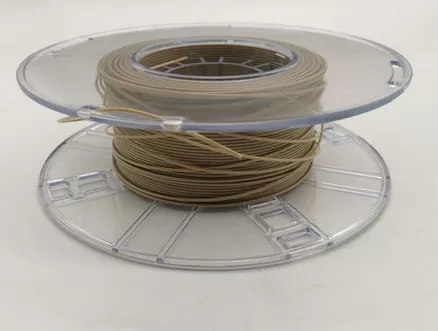
High-performance engineering plastics such as PEEK (Polyether Ether Ketone) are becoming an important material solution for next-generation offshore wind turbines due to their excellent corrosion resistance, lightweight properties, mechanical strength, and long-term durability.
Offshore wind turbines operate in some of the most challenging industrial environments. Compared with onshore systems, offshore equipment requires longer service life and higher reliability because maintenance operations are costly and complex.
Salt spray and seawater contain chloride ions that continuously attack metallic components. Corrosion can reduce component strength, increase maintenance frequency, and shorten turbine operating life.
Large offshore wind turbines require lightweight components to reduce structural loads, improve energy efficiency, and simplify installation and maintenance.
Wind turbines experience continuous vibration, cyclic loading, and dynamic forces. Materials used in critical components must maintain dimensional stability and mechanical performance over millions of operating cycles.
Many traditional bearings and sliding components require frequent lubrication. In deep offshore applications, reducing maintenance requirements is essential for lowering operating costs.
PEEK is a high-performance thermoplastic known for its outstanding combination of mechanical, thermal, and chemical properties. These characteristics make it suitable for demanding offshore wind applications.
Unlike metals, PEEK does not rust or corrode in seawater environments. Its stable molecular structure provides excellent resistance against salt spray, acids, alkalis, and many aggressive chemicals.
This makes PEEK components suitable for offshore applications where long-term exposure to marine environments is unavoidable.
PEEK has a density of approximately 1.3–1.6 g/cm³, significantly lower than common metals such as steel and aluminum.
Replacing selected metal parts with PEEK can help reduce component weight while maintaining excellent mechanical performance.
Advantages include:
Reduced structural load
Improved energy efficiency
Easier installation and maintenance
Lower transportation costs
Offshore wind turbines operate under continuous cyclic loads. PEEK provides excellent creep resistance, fatigue resistance, and dimensional stability, allowing components to maintain reliable performance during long-term operation.
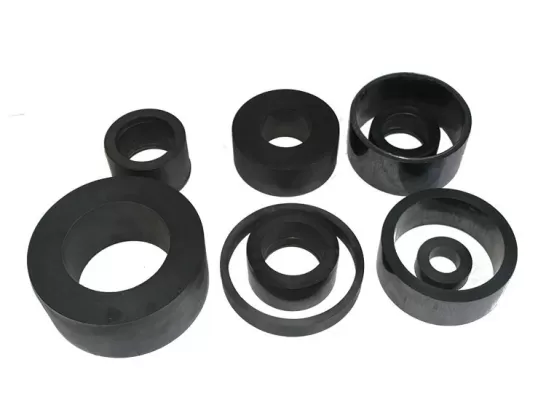
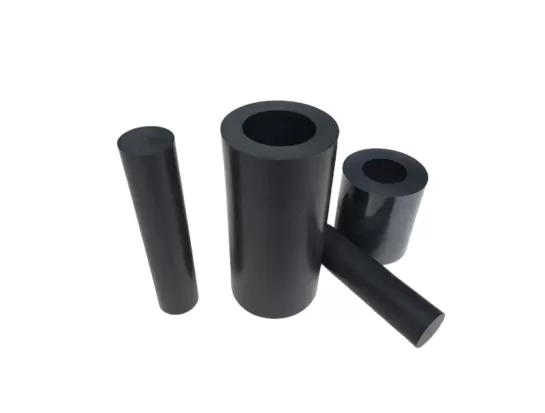
For reinforced grades such as carbon fiber reinforced PEEK (PEEK CF30), mechanical strength and wear resistance can be further improved for more demanding applications.
PEEK naturally offers a low friction coefficient and excellent wear resistance.
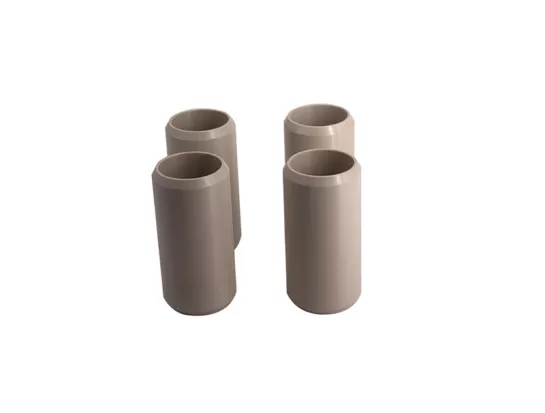
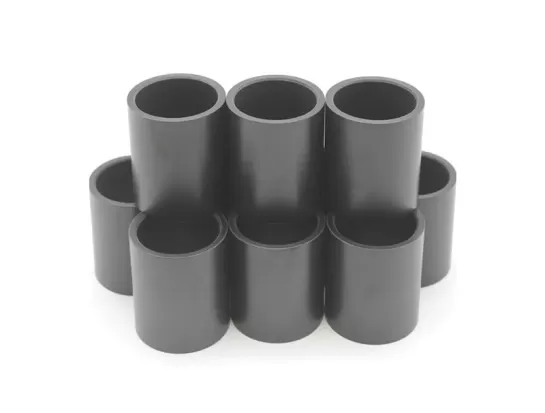
With low friction characteristics and self-lubricating properties, PEEK can reduce dependence on external lubrication systems, making it ideal for bearings, bushings, and sliding components used in difficult-to-access offshore environments.
PEEK bushings and bearing components can replace traditional metal or composite materials in applications requiring:
Low friction
Wear resistance
Corrosion resistance
Long service life
They are suitable for pitch systems, yaw systems, gearbox components, and mechanical support structures.
Inside wind turbine gearboxes, components must withstand high temperature, pressure, vibration, and continuous mechanical movement.
PEEK offers:
Excellent wear resistance
High temperature resistance
Low friction performance
Chemical stability
PEEK bearing cages and precision components can help improve gearbox reliability and reduce maintenance requirements.
Sealing systems are critical for protecting offshore wind equipment from seawater and contaminants.
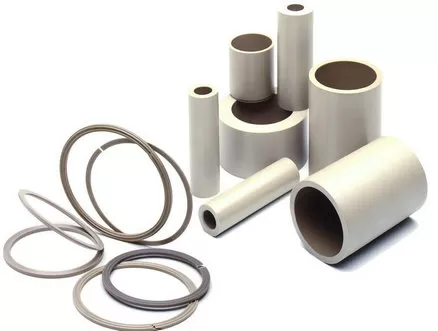
PEEK seals provide:
Excellent dimensional stability
Resistance to extrusion
Long-term aging resistance
Stable sealing performance under pressure
Compared with conventional elastomer seals, PEEK-based sealing solutions can offer improved durability in demanding environments.
PEEK can be used in selected fastening and insulation applications where corrosion resistance and electrical isolation are required.
Benefits include:
No rust formation
Lightweight construction
Electrical insulation
Chemical resistance
Offshore wind turbines require reliable electrical systems operating under high humidity, UV exposure, and electromagnetic interference.
PEEK is suitable for:
Sensor housings
Electrical insulation parts
Connector components
Control cabinet components
Its excellent dielectric properties and environmental resistance help improve system reliability.
As offshore wind turbines continue to grow larger and move into deeper waters, material innovation will play an increasingly important role.
Future trends include:
More lightweight turbine designs
Longer maintenance intervals
Increased use of corrosion-resistant materials
Higher demand for advanced polymer components
PEEK, especially modified grades such as carbon fiber reinforced PEEK, glass fiber reinforced PEEK, and wear-resistant PEEK composites, will continue expanding its role in renewable energy equipment.
By combining lightweight design, corrosion resistance, durability, and low maintenance requirements, PEEK provides a reliable material solution for the next generation of offshore wind turbines.
Copyright © PEEKCHINA | Taizhou Ark International Trade Co.,Ltd. All Rights Reserved |
Sitemap
| Powered by



 EN
EN