
Polyether Ether Ketone (PEEK) is a high-performance thermoplastic polymer widely recognized as one of the most advanced engineering plastics available today. Thanks to its exceptional mechanical strength, thermal stability, chemical resistance, and biocompatibility, PEEK has become a material of choice in demanding industries such as medical devices, aerospace, automotive, electronics, and industrial manufacturing.
However, despite its impressive performance, PEEK is not without limitations. Its high cost, demanding processing requirements, and surface inertness can present challenges in certain applications. This article provides a comprehensive and balanced overview of what PEEK is, its key advantages, main disadvantages, and why it is often considered a "super plastic".
PEEK is a semi-crystalline aromatic thermoplastic belonging to the polyaryletherketone (PAEK) family. It features a unique molecular structure with ether and ketone groups in its backbone, enabling it to maintain outstanding mechanical and chemical performance under extreme conditions.
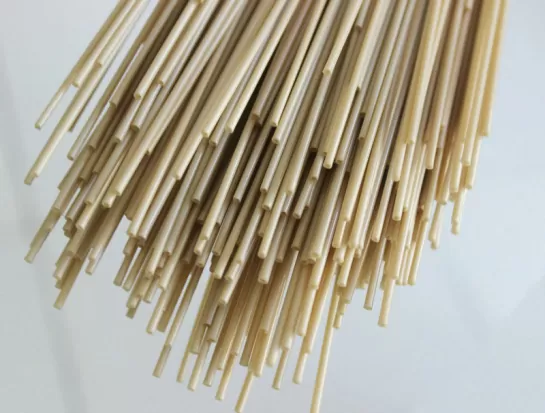
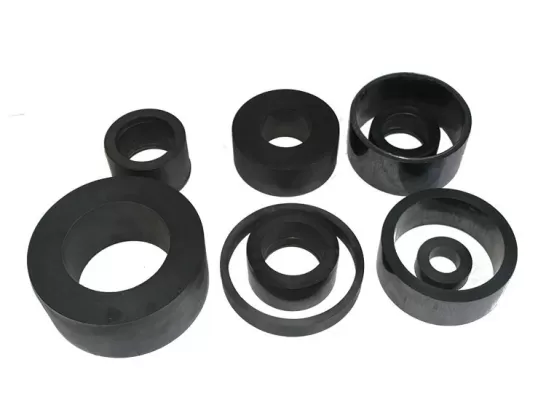
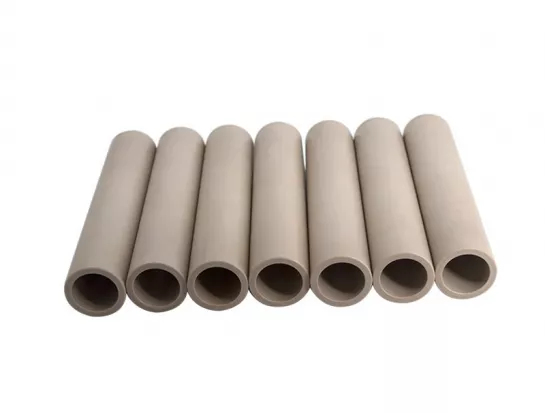
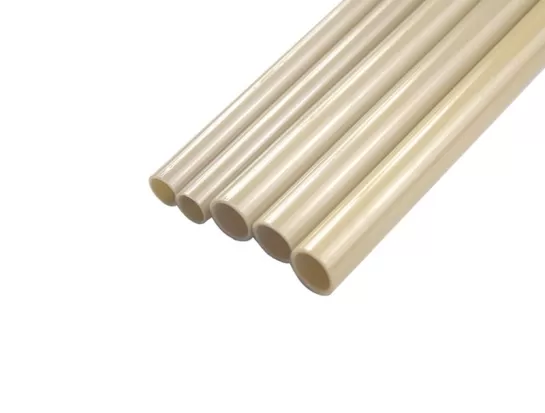
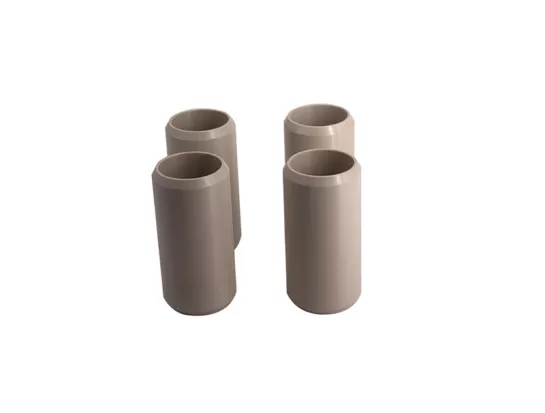
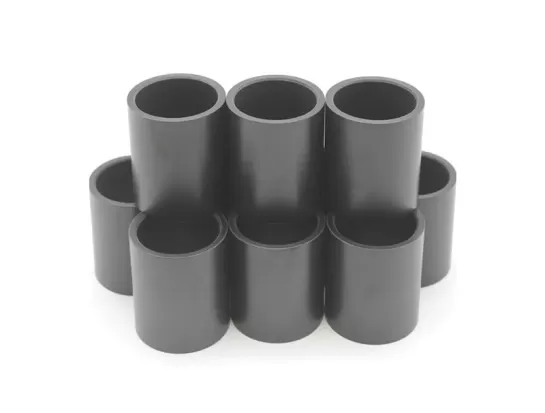
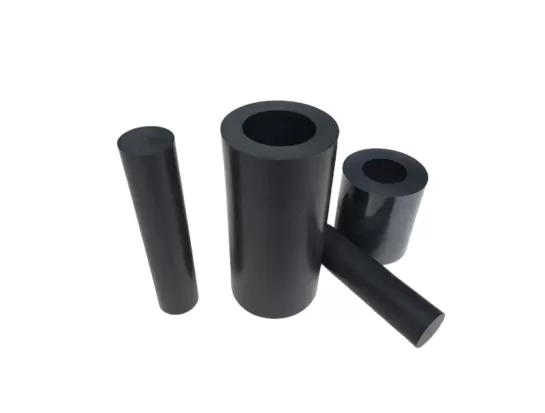
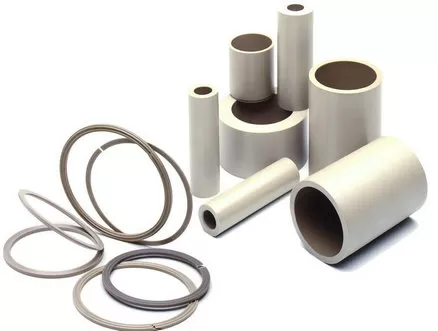
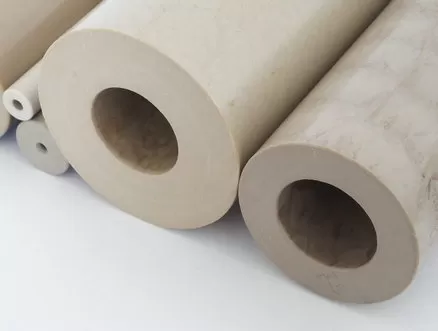
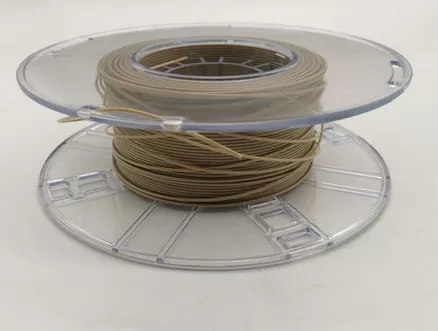
PEEK is commonly supplied as rods, sheets, tubes, films, or molded parts, and it can also be reinforced with carbon fiber, glass fiber, or lubricating fillers to further enhance its properties.
PEEK exhibits high tensile strength, excellent toughness, and outstanding fatigue resistance. It can withstand repeated mechanical stress and heavy loads, making it suitable for gears, bearings, seals, and structural components.
PEEK maintains stable mechanical properties at elevated temperatures. Its continuous service temperature can exceed 250°C, and its melting point is approximately 343°C, far outperforming most conventional engineering plastics.
PEEK is highly resistant to aggressive chemicals, including acids, bases, solvents, and hydrocarbons. This makes it ideal for chemical processing equipment, analytical instruments, and harsh industrial environments.
Medical-grade PEEK is non-toxic, non-sensitizing, and biocompatible, allowing its use in orthopedic implants, spinal cages, dental components, and surgical instruments.
With an elastic modulus of approximately 3–4 GPa, PEEK closely matches that of natural bone. This reduces stress shielding in implants and promotes more natural load transfer compared to metal implants.
PEEK has a low density of around 1.3 g/cm³, offering significant weight reduction compared to metals such as titanium or stainless steel, which is especially valuable in aerospace and medical applications.
PEEK possesses inherent self-lubricating properties and excellent wear resistance, making it ideal for sliding components, seals, valve parts, and bearings.
Unlike metals, PEEK is radiolucent, meaning it does not interfere with X-ray, CT, or MRI imaging. This allows for clear post-operative imaging and accurate diagnosis in medical implants.
PEEK absorbs very little moisture, ensuring excellent dimensional stability even in humid or wet environments. This is critical for precision components and tight-tolerance applications.
PEEK offers excellent electrical insulation and dielectric strength, making it suitable for electronic connectors, semiconductor equipment, and electrical insulation components.
PEEK is significantly more expensive than common engineering plastics such as POM, PA, or PMMA. Raw material cost and specialized processing requirements limit its use to high-value applications.
Due to its high melting temperature, PEEK requires specialized high-temperature injection molding, extrusion, or CNC machining equipment. Improper processing can lead to internal stress or reduced performance.
PEEK has low surface energy and is hydrophobic, which can limit cell adhesion and osseointegration in implants. Surface treatments or coatings are often required in medical applications.
PEEK is naturally opaque and typically gray or beige in color. It lacks transparency and has limited color options, which can be a drawback in aesthetic-sensitive applications.
In certain long-term biomedical applications, concerns may arise regarding interface stability or slow degradation under physiological conditions, requiring careful design and material selection.
PEEK stands out as one of the most capable engineering plastics available today, offering a rare combination of mechanical strength, thermal stability, chemical resistance, and biocompatibility. These properties make it indispensable in high-performance and mission-critical applications where failure is not an option.
However, its high cost and processing complexity mean that PEEK is best suited for applications where its unique advantages clearly outweigh economic considerations. When selected appropriately, PEEK delivers unmatched reliability, longevity, and performance-justifying its reputation as a true "super plastic".
Copyright © PEEKCHINA | Taizhou Ark International Trade Co.,Ltd. All Rights Reserved |
Sitemap
| Powered by



 EN
EN