In high-pressure, high-temperature, and chemically aggressive environments, valve seat material selection directly impacts system reliability, sealing integrity, and service life.
A PEEK valve seat offers a high-performance alternative to traditional PTFE, nylon, and even metal seating solutions, particularly in demanding industrial applications.
This technical guide explains why PEEK has become one of the most trusted engineering plastics for valve seat manufacturing.
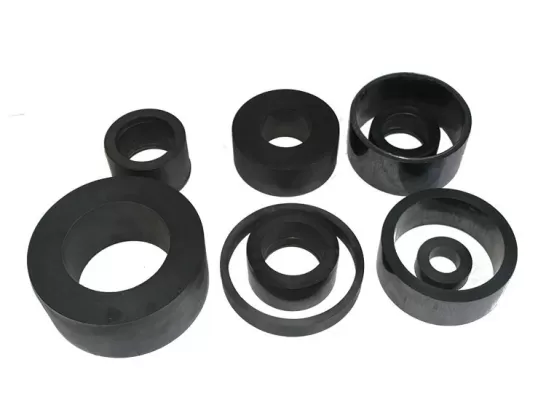
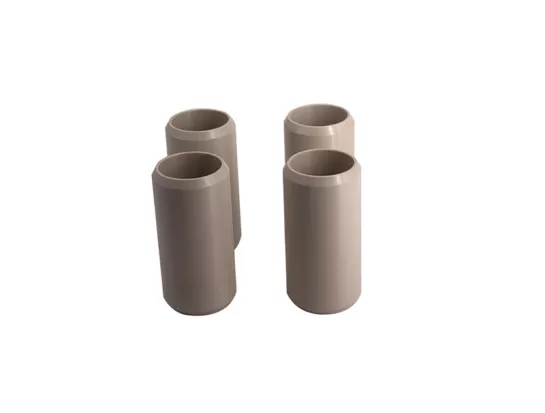
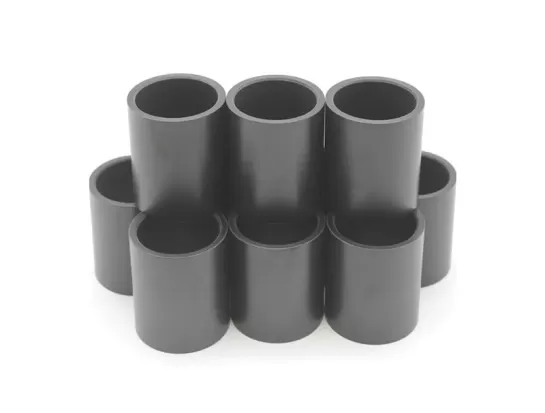
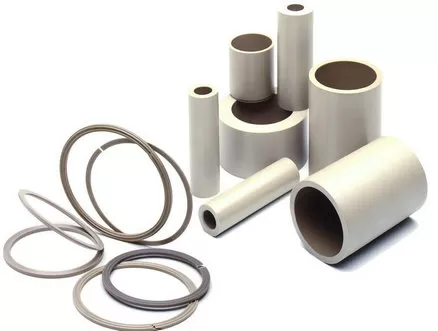
A PEEK valve seat is a precision-machined sealing component manufactured from polyether ether ketone (PEEK), a high-performance thermoplastic known for its exceptional mechanical and chemical properties.
Valve seats are critical sealing interfaces inside:
Ball valves
Check valves
Control valves
Needle valves
High-pressure instrumentation valves
In these systems, the seat must withstand compressive loads, friction, temperature cycling, and chemical exposure without deformation or leakage.
PEEK maintains continuous working temperatures up to 250°C (482°F) and short-term exposure above 300°C.
Unlike PTFE, which softens under heat, PEEK maintains structural integrity and load-bearing capacity.
PEEK exhibits excellent wear performance and low friction characteristics, making it suitable for dynamic sealing applications where repetitive motion occurs.
This reduces:
Surface damage
Particle generation
Premature leakage
PEEK resists:
Acids
Bases
Hydrocarbons
Steam
Solvents
This makes PEEK valve seats ideal for chemical processing, oil & gas systems, and aggressive fluid control applications.
One of the main failure modes in valve seats is creep deformation under long-term load.
PEEK offers:
High compressive strength
Excellent dimensional stability
Low creep under continuous stress
This ensures long-term sealing reliability in high-pressure systems.
| Property | PEEK | PTFE | Nylon | Metal |
| Temperature Resistance | Excellent | Moderate | Limited | Excellent |
| Wear Resistance | High | Low | Moderate | Very High |
| Chemical Resistance | Excellent | Excellent | Moderate | Variable |
| Creep Resistance | Very Low | High | Moderate | Very Low |
| Weight | Lightweight | Lightweight | Lightweight | Heavy |
Compared to PTFE, a PEEK valve seat provides significantly better mechanical strength and dimensional stability.
Compared to metal seats, PEEK reduces weight, prevents galling, and provides better chemical resistance without corrosion risk.
PEEK valve seats are widely used in:
Oil & Gas high-pressure valves
Chemical processing systems
Semiconductor fluid control systems
Analytical instrumentation
Medical and pharmaceutical processing equipment
High-temperature steam systems
In these industries, material failure is not an option - reliability is critical.
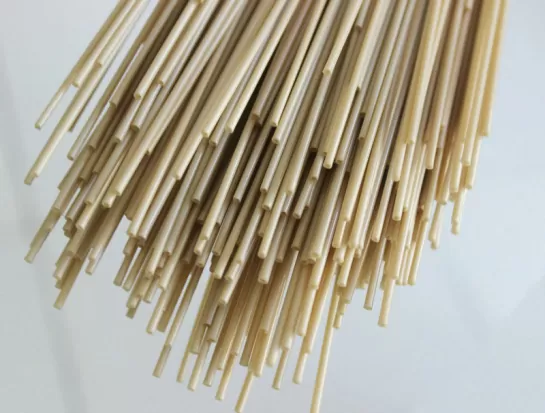
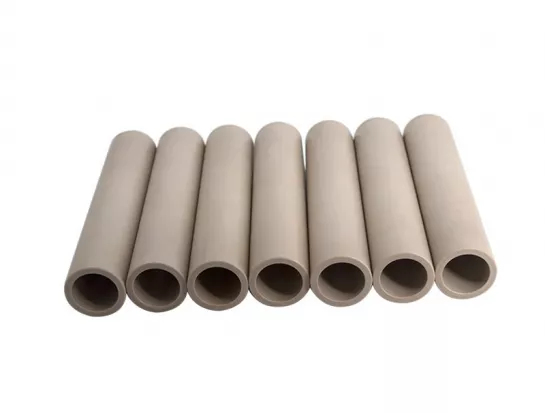
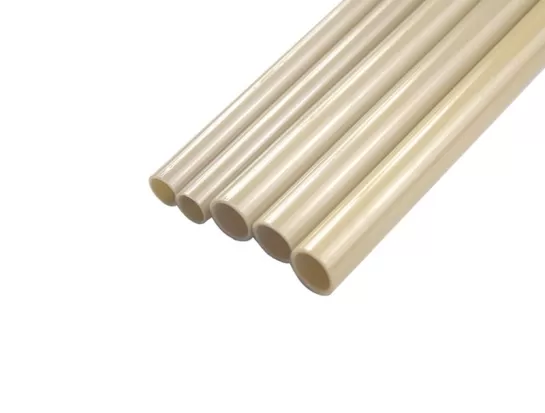
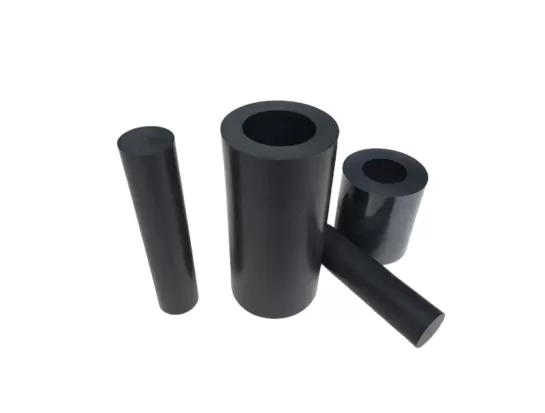
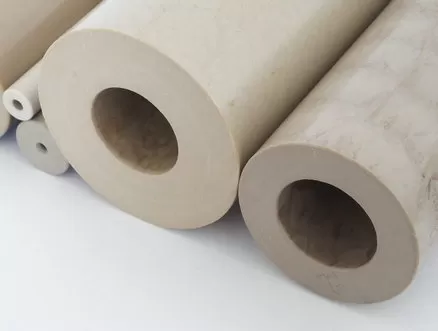
Most industrial PEEK valve seats are CNC machined from extruded PEEK rod. This ensures:
High dimensional accuracy
Custom sizing
Tight tolerance control
For larger diameter seats or special geometries, machining from PEEK plate is preferred.
For high-volume applications, injection molded PEEK valve seats may be used, although machining provides better precision for industrial-grade components.
Different grades of PEEK are available depending on performance requirements:
Best for chemical resistance
General industrial sealing
Higher stiffness
Lower thermal expansion
Ideal for high-pressure systems
Improved dimensional stability
Enhanced mechanical strength
Improved wear and friction performance
Extended service life in dynamic applications
Material selection depends on:
Operating temperature
System pressure
Media type
Motion frequency
Typical values (Virgin PEEK):
Continuous use temperature: 250°C
Tensile strength: ~90–100 MPa
Compressive strength: >110 MPa
Density: 1.30 g/cm³
Coefficient of friction: 0.30–0.40
These properties make PEEK one of the most reliable engineering thermoplastics for valve seat manufacturing.
For industrial OEMs and valve manufacturers, custom PEEK valve seat production includes:
Precision CNC machining
Tight tolerance control
Custom geometry design
Small batch & high-volume production
Material traceability
A professional PEEK valve seat manufacturer should offer:
Technical material consultation
Application-specific grade recommendation
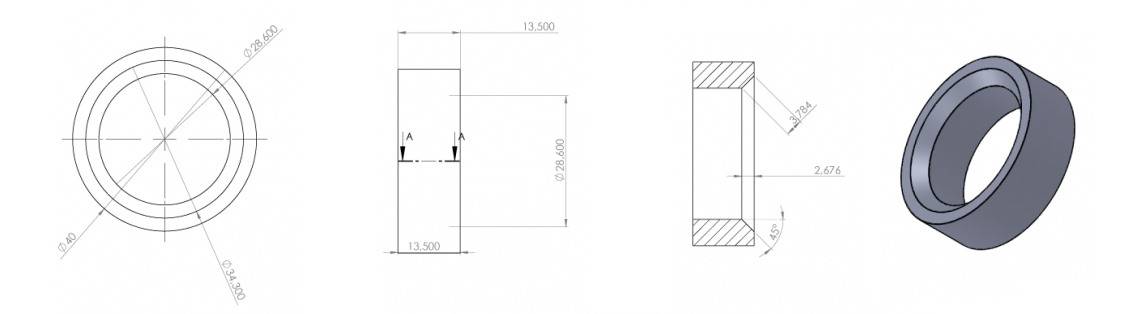
Engineering drawing support
Stable raw material sourcing
When performance, reliability, and longevity are critical, a PEEK valve seat provides a superior solution compared to traditional polymer or metal seating materials.
Its combination of:
High temperature stability
Excellent wear resistance
Strong chemical resistance
Low creep under load
makes it one of the most advanced materials available for industrial valve sealing systems.
For high-pressure, aggressive, and precision-controlled environments, PEEK is not just an alternative - it is often the optimal engineering choice.
Copyright © PEEKCHINA | Taizhou Ark International Trade Co.,Ltd. All Rights Reserved |
Sitemap
| Powered by



 EN
EN