In demanding industrial environments, sealing components are often exposed to extreme temperatures, high pressures, aggressive chemicals, and continuous mechanical wear. Selecting the right sealing material is critical to ensuring equipment reliability, reducing maintenance costs, and extending service life.
Among high-performance engineering plastics, Polyether Ether Ketone (PEEK) has become one of the most preferred materials for advanced sealing solutions. Thanks to its outstanding mechanical strength, thermal stability, wear resistance, and chemical compatibility, PEEK is widely used in industries ranging from oil and gas to semiconductor manufacturing and medical technology.
This guide explores PEEK seal material properties, common PEEK material applications, and the advantages of using a PEEK sealing ring in critical industrial systems.
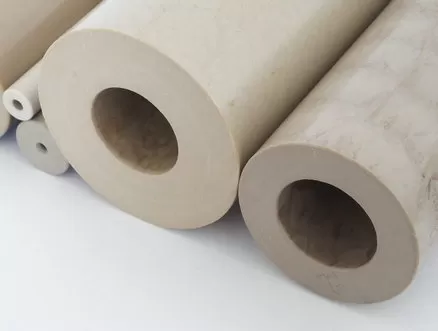
PEEK (Polyether Ether Ketone) is a semi-crystalline high-performance thermoplastic belonging to the polyaryletherketone (PAEK) family. It is engineered to maintain exceptional mechanical and chemical properties even under harsh operating conditions.
Unlike conventional plastics, PEEK can operate continuously at elevated temperatures while retaining its strength and dimensional stability. These characteristics make it an excellent PEEK seal material for dynamic and static sealing applications.
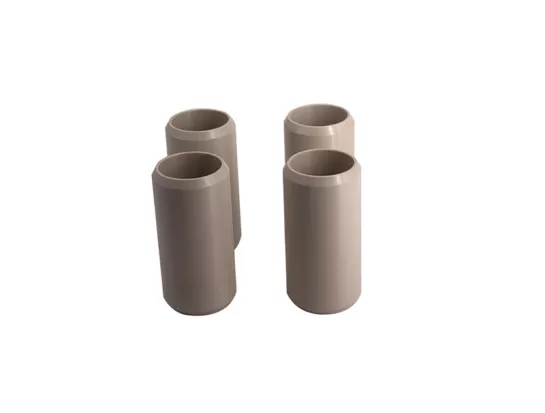
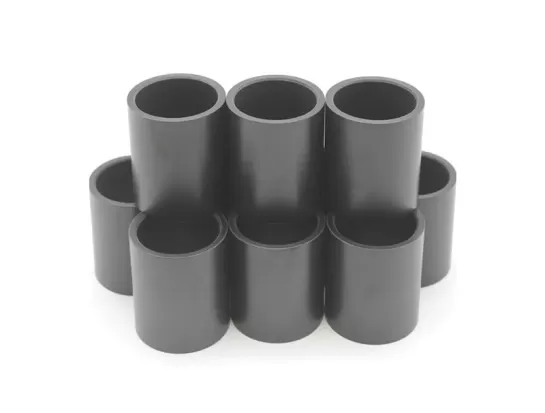
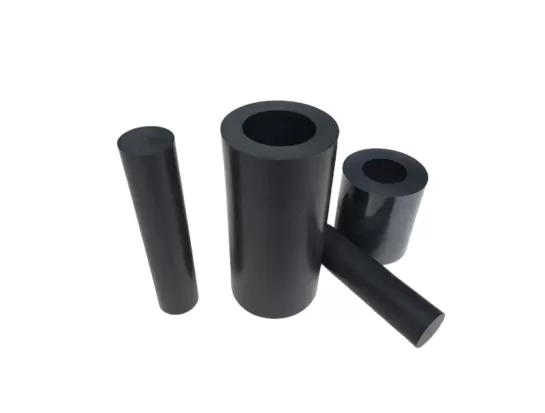
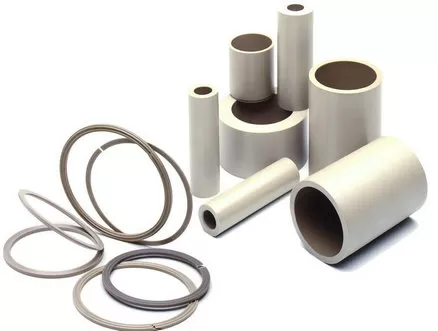
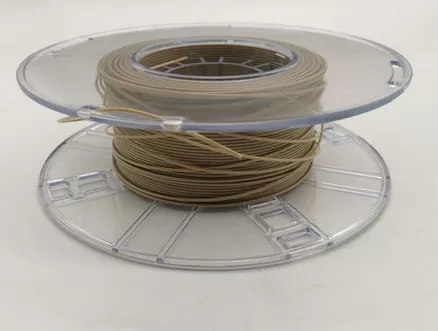
Today, PEEK is commonly manufactured into:
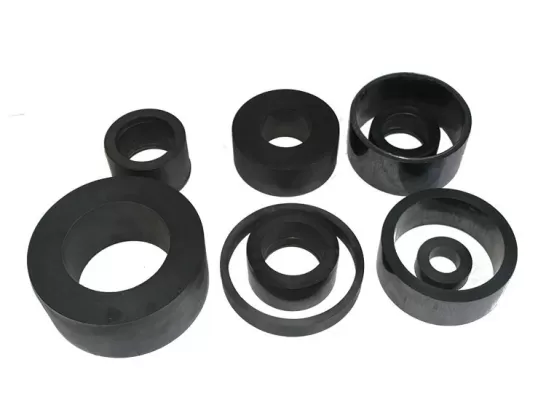
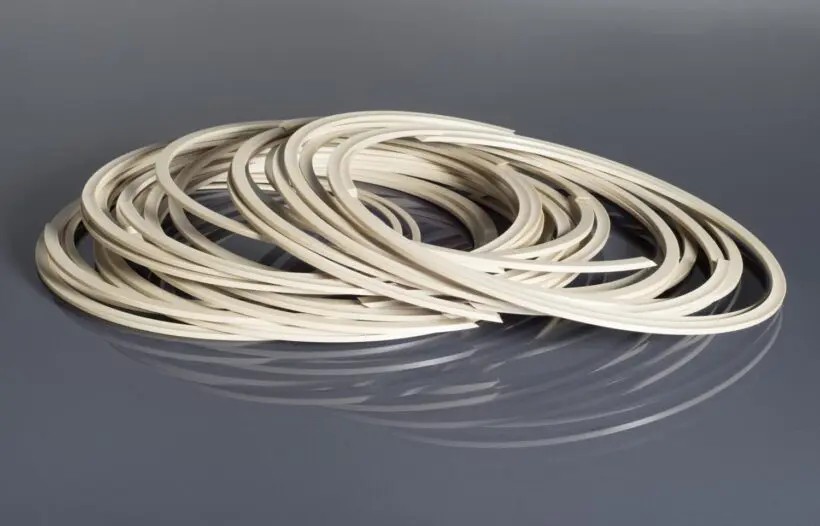
PEEK sealing rings
Backup rings
Valve seals
Compressor seals
Pump seals
Wear rings
Bearing rings
Custom sealing components
Its combination of strength and durability allows engineers to replace metals and traditional polymers in many demanding sealing systems.
PEEK offers significantly higher strength than many engineering plastics.
Benefits include:
High tensile strength
Excellent compressive strength
Superior fatigue resistance
Outstanding creep resistance
For sealing applications subjected to continuous loads, these characteristics help prevent deformation and maintain sealing effectiveness over extended periods.
Wear resistance is one of the most valuable PEEK seal material properties.
PEEK performs exceptionally well in:
Rotary sealing systems
Dynamic seals
Sliding contact applications
High-speed equipment
Its low wear rate minimizes particle generation and extends component life, making it particularly attractive for semiconductor and analytical instrument applications.
PEEK demonstrates excellent compatibility with numerous chemicals, including:
Acids
Alkalis
Hydrocarbons
Solvents
Fuels
Process chemicals
This broad chemical resistance enables PEEK sealing components to perform reliably in aggressive industrial environments.
PEEK absorbs very little moisture compared with many engineering plastics.
Benefits include:
Better dimensional stability
Improved sealing performance
Consistent tolerances
Reduced swelling
This property is especially important in precision fluid-handling systems and analytical instrumentation.
A PEEK sealing ring offers several performance advantages over conventional sealing materials such as PTFE, nylon, UHMWPE, and metal components.
Because of its excellent wear resistance and mechanical strength, PEEK can significantly outlast many traditional sealing materials.
Longer component life results in:
Reduced downtime
Lower maintenance costs
Improved equipment reliability
In high-pressure systems, softer materials may deform or extrude into sealing gaps.
A PEEK sealing ring provides:
High compressive strength
Better dimensional stability
Improved pressure resistance
This makes PEEK particularly suitable for hydraulic systems, pumps, valves, and compressors.
Unlike many plastics that lose strength as temperatures increase, PEEK maintains excellent mechanical properties across a wide temperature range.
This characteristic allows engineers to use a single material across demanding operating conditions.
PEEK components are significantly lighter than metal parts while offering impressive strength.
Advantages include:
Reduced system weight
Lower inertia
Easier installation
Improved energy efficiency
When discussing PEEK material application, sealing solutions represent one of the fastest-growing uses of this advanced polymer.
Oilfield equipment often operates under extreme pressure and temperature conditions.
Typical PEEK sealing applications include:
Backup rings
Valve seats
Downhole sealing components
Fracturing pump seals
Compressor sealing systems
PEEK's ability to resist chemicals and maintain strength under load makes it highly valuable in upstream and downstream operations.
Semiconductor production requires materials with high purity and excellent chemical resistance.
PEEK sealing components are commonly used in:
Wafer processing equipment
Chemical delivery systems
Vacuum chambers
Fluid control systems
Low particle generation and excellent dimensional stability make PEEK ideal for contamination-sensitive environments.
Another important PEEK material application is laboratory and analytical equipment.
Examples include:
HPLC systems
Chromatography valves
Fluid connectors
Injection systems
Precision sealing assemblies
PEEK's chemical compatibility and precision machinability support reliable instrument performance.
Aircraft and aerospace systems demand lightweight materials capable of performing in harsh environments.
PEEK seals are frequently used in:
Hydraulic systems
Fuel systems
Pneumatic equipment
Control assemblies
Their durability and low weight contribute to improved system efficiency.
Medical manufacturers increasingly utilize PEEK due to its biocompatibility and sterilization resistance.
Applications include:
Surgical equipment
Diagnostic instruments
Sterilizable sealing components
Implant-related systems
Many engineers search for practical information regarding PEEK seal material uses before selecting a sealing solution.
Some of the most common applications include:
PEEK seals provide excellent wear resistance and dimensional stability in industrial pumps operating under demanding conditions.
Compressors often generate significant heat and pressure. PEEK maintains reliable sealing performance even under continuous operation.
Chemical processing and fluid-control systems frequently use PEEK valve seals because of their chemical resistance and mechanical strength.
Rotating equipment benefits from the low friction and excellent wear characteristics of PEEK sealing materials.
PEEK backup rings are widely used alongside elastomer O-rings to prevent extrusion under high pressure.
In addition to sealing functions, PEEK is often machined into wear rings and bearing rings that improve equipment longevity.
These examples demonstrate the broad range of PEEK seal material uses across industrial sectors.
PEEK and PTFE are both popular sealing materials, but their performance characteristics differ significantly.
| Property | PEEK | PTFE |
| Mechanical Strength | Excellent | Moderate |
| Wear Resistance | Excellent | Good |
| Creep Resistance | Excellent | Fair |
| Pressure Resistance | Excellent | Moderate |
| Dimensional Stability | Excellent | Good |
| Machinability | Excellent | Good |
| Chemical Resistance | Excellent | Excellent |
PTFE remains an excellent choice for low-friction applications, while PEEK is often preferred when higher strength, better wear resistance, and superior load-bearing capability are required.
For high-pressure industrial equipment, a PEEK sealing ring frequently delivers longer service life and improved reliability.
Every sealing application has unique requirements. Custom manufacturing allows sealing components to be optimized for specific operating conditions.
Available options may include:
CNC machined PEEK sealing rings
Injection molded PEEK seals
Carbon fiber reinforced PEEK seals
Glass-filled PEEK sealing components
Custom valve seals
Precision backup rings
Compressor seal assemblies
Pump sealing solutions
Custom machining enables tight tolerances, complex geometries, and application-specific performance enhancements.
As industries continue to demand higher efficiency and longer component life, the adoption of PEEK sealing solutions is expected to grow.
Emerging trends include:
High-pressure hydrogen systems
Semiconductor manufacturing expansion
Electric vehicle power systems
Aerospace lightweighting initiatives
Advanced medical equipment
The combination of excellent PEEK seal material properties and broad PEEK material application potential positions PEEK as one of the most important engineering materials for next-generation sealing technologies.
PEEK has established itself as one of the most advanced polymers available for demanding sealing applications. Its unique combination of high mechanical strength, exceptional wear resistance, chemical compatibility, dimensional stability, and thermal performance allows it to outperform many traditional sealing materials.
Whether used as a PEEK sealing ring, backup ring, valve seal, compressor seal, or custom sealing component, PEEK provides reliable performance in some of the world's most challenging operating environments.
For industries requiring long-lasting sealing solutions under high pressure, elevated temperatures, and aggressive chemical exposure, PEEK remains a proven and increasingly preferred material choice.
Copyright © PEEKCHINA | Taizhou Ark International Trade Co.,Ltd. All Rights Reserved |
Sitemap
| Powered by



 EN
EN