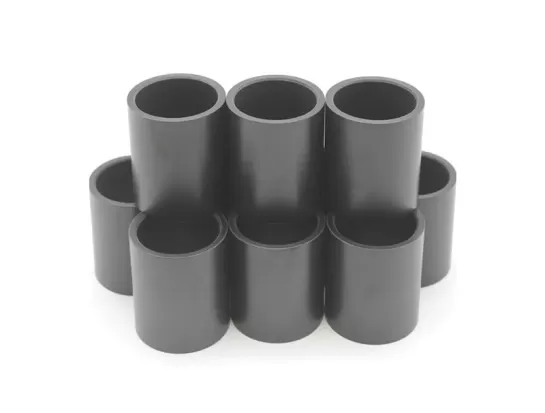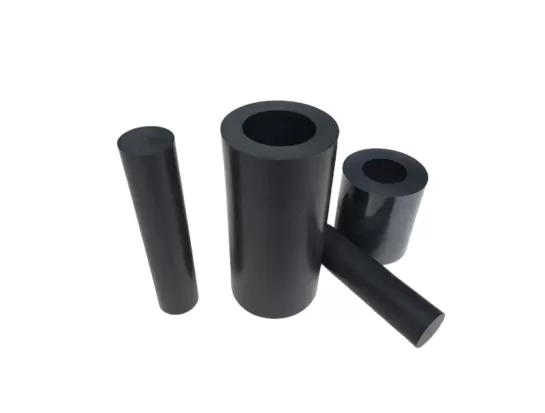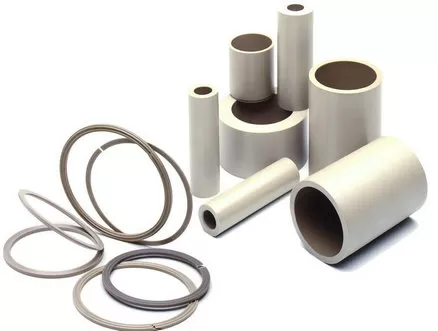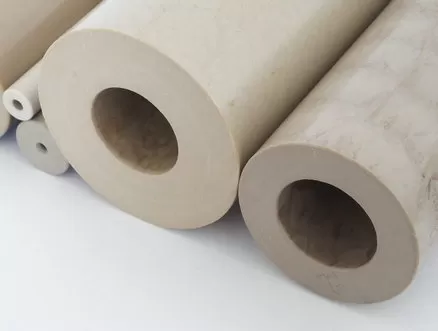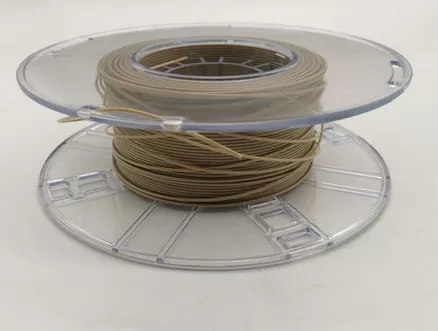
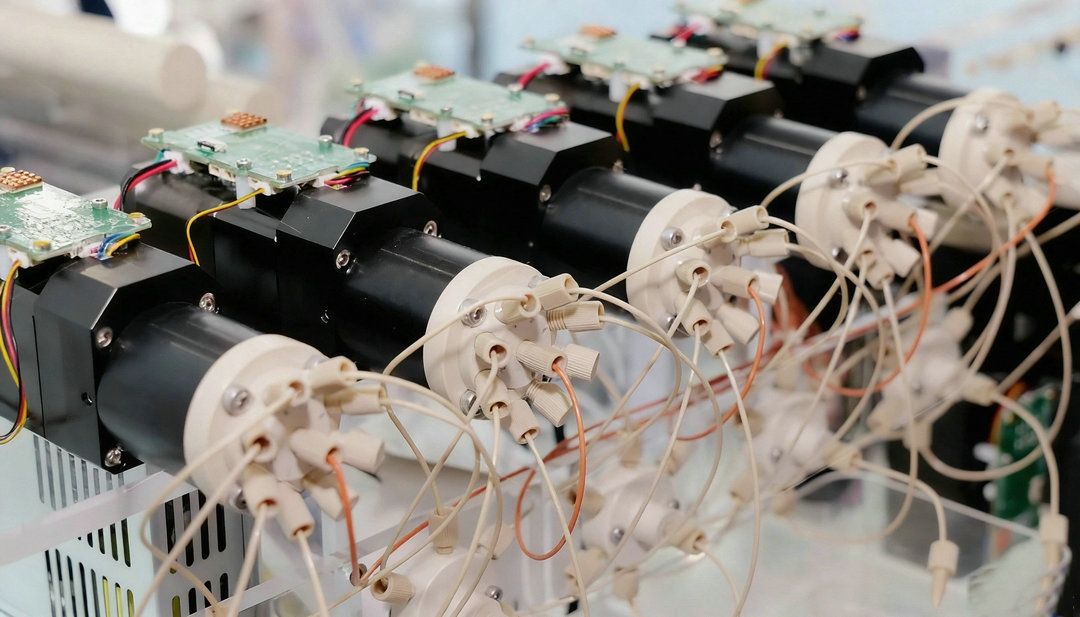
In protein purification, monoclonal antibody production, peptide analysis, natural product separation, and precision liquid chromatography, the pump head is a critical component of the fluid delivery system. Its material can influence chemical compatibility, sample recovery, contamination risk, operating stability, and equipment maintenance requirements.
Traditionally, 316L stainless steel and titanium alloy have been used in chromatography pump heads because of their mechanical strength and established industrial applications. However, high-performance polyetheretherketone (PEEK) is attracting increasing attention as laboratories and biopharmaceutical manufacturers seek improved chemical compatibility, reduced metal contamination, and reliable performance in demanding analytical and production environments.
PEEK pump heads offer a non-metallic alternative for applications where fluid purity, low sample interaction, and resistance to repeated cleaning cycles are important. Understanding the differences between PEEK, titanium alloy, and 316L stainless steel helps equipment manufacturers and end users select suitable materials for their specific operating conditions.
The three materials have different characteristics that affect their suitability for chromatography systems. Material selection should consider the complete operating environment, including fluid composition, pressure, temperature, cleaning procedures, and sample sensitivity.
PEEK is a high-performance engineering thermoplastic known for its chemical resistance across a wide range of industrial and laboratory environments. Depending on the specific grade, temperature, concentration, and exposure conditions, it can be suitable for contact with many aqueous buffers, high-salt solutions, organic solvents, acids, and alkaline solutions used in chromatography.
Unlike metallic materials, PEEK does not rely on a passive oxide film for corrosion protection. This eliminates the particular risk of metal-ion release associated with corrosion or degradation of a metal surface. For sensitive analytical applications, reducing potential metallic contamination can help maintain sample integrity and analytical reliability.
Titanium alloy provides good corrosion resistance in many environments, but its performance depends on the alloy, surface condition, and process chemistry. Certain acidic, chelating, or solvent-containing systems may require careful compatibility assessment.
316L stainless steel is widely used in industrial fluid-handling equipment. Nevertheless, chloride-rich solutions, certain acidic media, and aggressive chemical conditions can compromise its corrosion resistance. Localized corrosion and the potential release of metallic species should be evaluated when selecting stainless steel for high-purity applications.
In biopharmaceutical processing and precision chromatography, interactions between the fluid-contact surface and the sample can affect recovery and analytical results. This is particularly important when working with proteins, peptides, nucleic acids, and other low-concentration biomolecules.
PEEK is a non-metallic material that can help reduce concerns associated with metal-ion contamination. Its suitability for low-adsorption applications depends on the grade, surface finish, component design, and characteristics of the sample. These factors should be assessed when recovering trace quantities or processing sensitive biomolecules.
Titanium alloy and stainless steel can interact with certain biomolecules through surface-related mechanisms. Depending on the sample chemistry and surface condition, these interactions may contribute to adsorption, sample loss, or analytical variability.
PEEK pump heads are particularly relevant to applications where chemical compatibility, sample purity, and reduced metallic contamination are important.
Protein purification, monoclonal antibody processing, vaccine production, and recombinant protein manufacturing often require careful control of contamination and product recovery.
A suitably specified PEEK pump head can reduce the risk of contamination originating from metallic fluid-contact surfaces. Its chemical resistance and potential compatibility with repeated cleaning procedures make it a candidate for demanding bioprocess fluid paths.
However, the suitability of a PEEK component for pharmaceutical production must be evaluated as part of the complete system, including material documentation, extractables and leachables testing, cleaning validation, and applicable regulatory requirements.
Peptide analysis, nucleic acid analysis, and liquid chromatography–mass spectrometry (LC-MS) can involve low sample concentrations and stringent requirements for analytical reproducibility.
In these environments, trace contamination or interactions with fluid-contact surfaces may affect results. PEEK can be considered where a non-metallic fluid path is required, provided that its chemical compatibility, surface characteristics, and pressure rating meet the method requirements.
For analytical systems, material selection should be based on the complete solvent composition and operating conditions, particularly when strong solvents or specialized mobile phases are involved.
Natural product extraction and separation may involve mixed solvents, acidic or alkaline solutions, salts, and chemically complex samples.
A PEEK pump head may offer advantages where the selected grade is compatible with the process media and where minimizing metallic contamination is important. Compatibility testing is especially valuable when handling sensitive natural compounds or changing solvent compositions during a separation process.
When measuring trace inorganic ions or studying metal complexes, contamination originating from metallic equipment surfaces can complicate analysis.
A properly selected non-metallic PEEK fluid-contact component can help reduce one potential source of metal contamination. The entire wetted flow path must still be evaluated, because tubing, fittings, valves, seals, and other components may also contribute extractables or contaminants.
The shift toward PEEK pump heads reflects a broader interest in controlling contamination and improving compatibility in high-purity fluid systems.
First, reducing metallic contact surfaces can help limit potential metal-ion contamination in sensitive analytical and biopharmaceutical processes. Second, PEEK offers a combination of chemical resistance, low density, and useful mechanical properties that can support compact component designs. Third, the ability to engineer PEEK pump heads for specific pressure and cleaning requirements creates opportunities for replacing selected metal components.
Manufacturing technology is also important. Precise machining, appropriate material selection, and consistent quality control are essential for producing PEEK pump heads with reliable sealing surfaces, dimensional accuracy, and stable operation.
Nevertheless, replacing a metal component with PEEK is not simply a material substitution. Engineers must verify pressure capability, dimensional stability, seal compatibility, surface finish, and long-term performance under actual operating conditions.
Before specifying a PEEK pump head, equipment manufacturers and end users should review several factors:
Chemical compatibility: Confirm resistance to every process fluid, solvent, cleaning agent, and sterilization medium at the intended concentration and temperature.
Pressure rating: Verify the rated operating pressure of the complete assembly, including connections, seals, and relevant temperature conditions.
Sample requirements: Consider the risk of metal contamination, adsorption, and extractables or leachables in the intended application.
Cleaning and sterilization: Check compatibility with the required CIP, SIP, autoclave, or other validated cleaning procedures.
Dimensional accuracy: Confirm critical dimensions, sealing geometry, surface finish, and tolerances to ensure reliable integration into the pump.
Material documentation: For regulated applications, request appropriate grade identification, traceability, test reports, and compliance documentation.
A systematic evaluation helps ensure that the selected pump head meets both process requirements and equipment performance targets.
PEEK pump heads are an important option for chromatography and high-purity fluid-handling systems that require chemical resistance, reduced metallic contamination risk, low component weight, and reliable operation. Compared with 316L stainless steel and titanium alloy, PEEK offers a different combination of material characteristics that may be advantageous in biopharmaceutical purification, precision analysis, and natural product separation.
The best material depends on the application, and no single material is ideal for every process. By evaluating chemical compatibility, pressure requirements, cleaning procedures, sample sensitivity, and component design, manufacturers can determine whether PEEK is a suitable alternative to traditional metal pump heads.
For PEEK pump head development, precision machining, and customized high-performance PEEK components, PEEKChina provides material and manufacturing expertise to support application-specific engineering requirements.
Copyright © PEEKCHINA | Taizhou Ark International Trade Co.,Ltd. All Rights Reserved |
Sitemap
| Powered by



 EN
EN