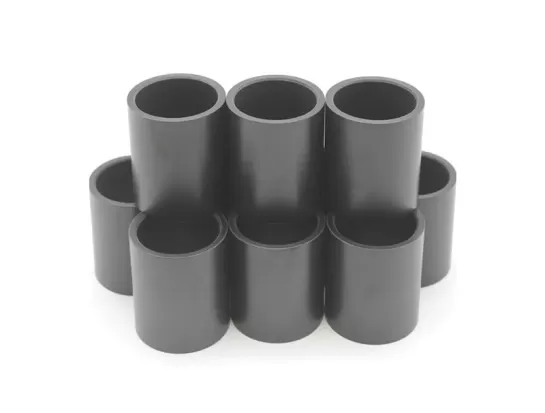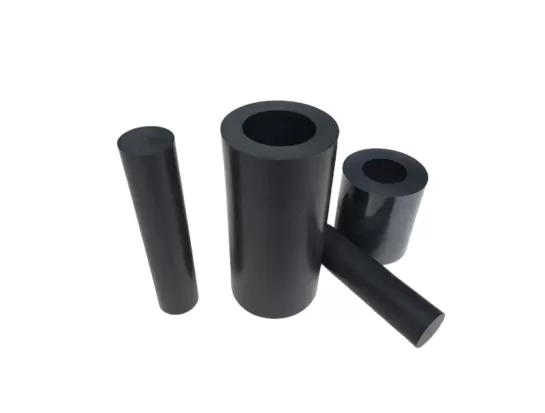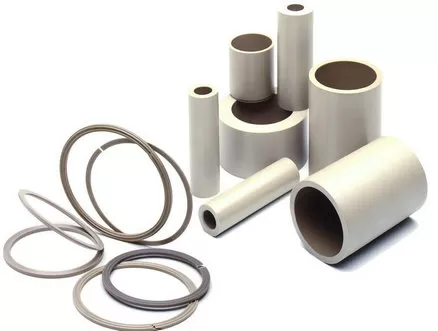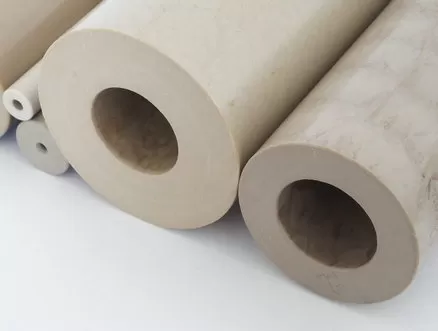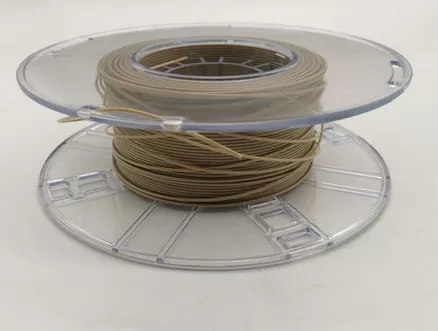

PEEK (Polyether Ether Ketone) is one of the most advanced engineering plastics on the market, widely used in aerospace, medical devices, semiconductors, oil & gas, and high-performance industrial components. Because of its premium properties, PEEK price per kg varies significantly depending on brand, grade, material form, and order quantity.
This guide provides a clear and simple explanation of typical PEEK price, including comparisons among major brands such as Victrex and ARKPEEK, and how different reinforced grades (GF30, CF30, MOD) and product shapes affect cost.
Although prices vary among suppliers and regions, most PEEK materials fall into these general ranges:
Standard unfilled PEEK pellets: USD 40–90 per kg
PEEK GF30 (30% glass fiber): USD 40–80 per kg
PEEK CF30 (30% carbon fiber): USD 60–150 per kg
PEEK MOD (PTFE/graphite/etc. modified): USD 50–150 per kg
Premium branded PEEK (Victrex, Solvay, etc.): Usually higher depending on grade and volume
Small-quantity powders/filaments: Much higher per kg due to processing and packaging
These ranges will shift depending on MOQ, certification requirements, and supplier origin.
Victrex and other global premium brands generally cost more due to strict quality control, strong certification systems, and consistent global availability.
ARKPEEK offers high-quality PEEK at a more competitive price point, making it popular for industrial, machining, and engineering applications where performance and cost efficiency must be balanced.
Most procurement teams compare these two categories based on:
Performance requirements
Regulatory/medical/aerospace standards
Budget and project scale
Contains 30% glass fiber
Lowest cost among filled grades
Higher stiffness and dimensional stability
Suitable for structural components
Contains 30% carbon fiber
Higher cost due to carbon fiber raw material
Better strength, wear resistance and low thermal expansion
Ideal for high-load bearings, gears, aerospace components
Modified with PTFE, graphite, or other additives
Prices vary depending on formulation complexity
Used for applications needing lubricity, conductivity, or special functional properties
In summary: GF30 < MOD ≈ mid-range < CF30 (highest cost)
PEEK price is not only about the grade - material form plays a major role in cost.
Usually the cheapest form
Ideal for injection molding and extrusion
More expensive per kg
Used in SLS 3D printing, coatings, special compounding
Highest cost per kg for consumer packaging
Produced by converting pellets → drying → extrusion → spooling
Price includes extrusion, annealing, cutting, and quality control
Typically cost more than pellets on a per-kg basis
“One part, one price”
Cost depends on:
Part geometry
Machining time
Tolerance requirements
Surface finishing
Order volume
The material cost becomes only a small portion of the total price
Brand (e.g., Victrex vs ARKPEEK vs generic)
Grade (unfilled, GF30, CF30, MOD)
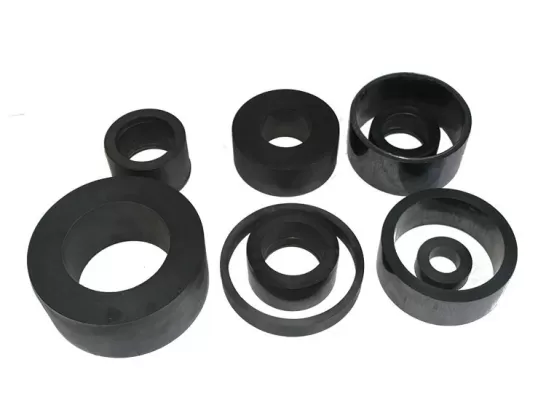
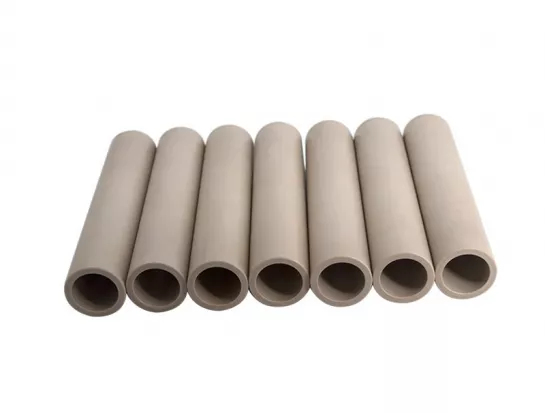
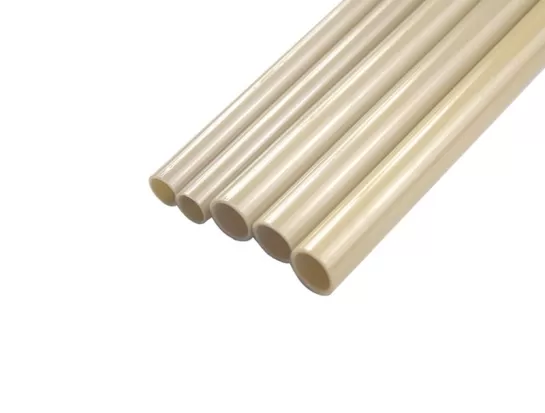
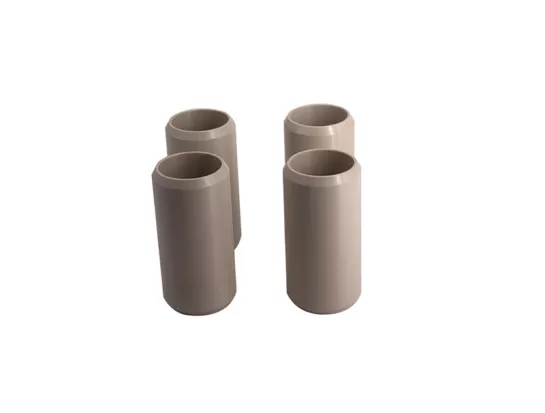
Form (pellet, powder, sheet, rod, tube, filament)
Certifications (medical, aerospace, food-contact)
MOQ and order size
Market supply and raw material fluctuations
For accurate pricing, always request a quote specifying the grade + form + quantity.
PEEK is a premium engineering polymer, and its price per kg varies widely depending on many factors.
Unfilled PEEK pellets are the most cost-effective.
Filled grades (GF30, CF30, MOD) each have unique price differences driven by materials and performance.
Custom parts and special forms like powder or filament carry the highest cost per kg.
ARKPEEK offers a competitive alternative to global brands while maintaining strong mechanical performance.
Understanding these factors helps users choose the right PEEK material at the right cost.
Copyright © PEEKCHINA | Taizhou Ark International Trade Co.,Ltd. All Rights Reserved |
Sitemap
| Powered by



 EN
EN