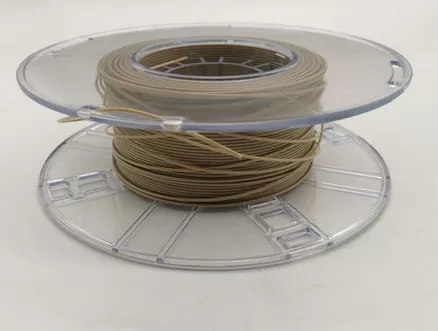

The global energy industry is undergoing a major transformation. From oil and gas exploration to hydrogen energy, offshore wind power, and advanced nuclear technologies, equipment is increasingly required to operate in extreme environments involving high temperatures, corrosive chemicals, intense pressure, and demanding mechanical loads.
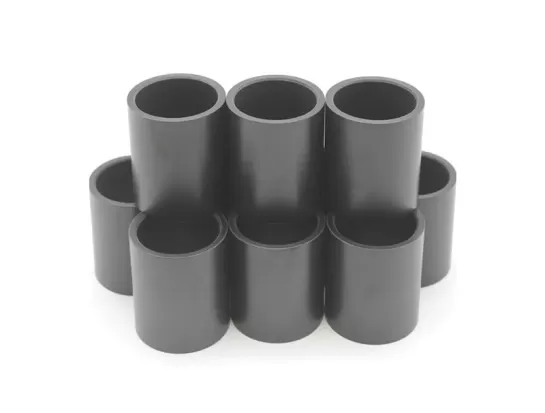
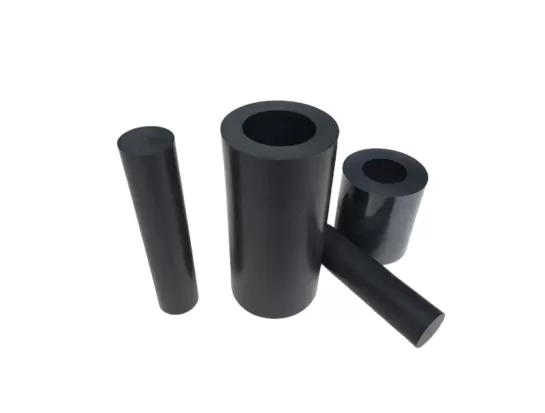
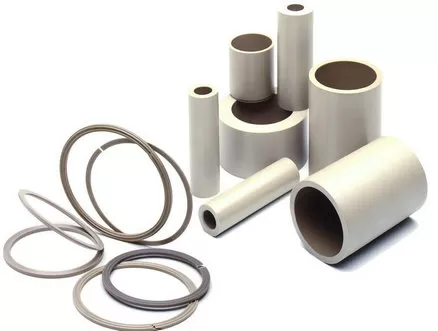
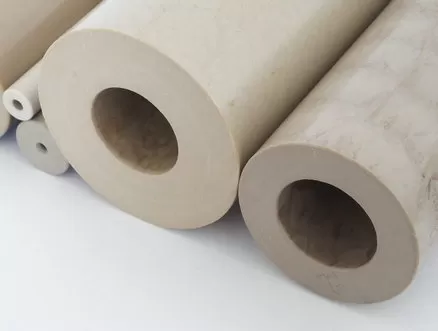
Traditional metals and conventional plastics often struggle under these conditions. This is where PEEK (Polyether Ether Ketone) has emerged as one of the most valuable high-performance engineering plastics for the energy sector.
Energy applications frequently involve conditions such as:
Geothermal wells operating above 300°C
High-pressure hydrogen storage systems reaching 70 MPa
Corrosive chemical processing environments
Offshore equipment exposed to seawater and extreme weather
Nuclear facilities requiring radiation-resistant components
PEEK offers a unique combination of properties that helps engineers overcome these challenges while improving equipment reliability and efficiency.
| Property | PEEK Performance | Industry Advantage |
| High Temperature Resistance | Continuous service up to 260°C | Reliable operation in extreme heat |
| Chemical Resistance | Excellent resistance to aggressive chemicals | Reduced corrosion-related failures |
| Mechanical Strength | Tensile strength around 100 MPa | Suitable for demanding load-bearing applications |
| Wear Resistance | Low friction and excellent durability | Longer service life and reduced maintenance |
| Lightweight | Up to 80% lighter than steel components | Improved energy efficiency and easier installation |
PEEK's exceptional capabilities originate from its advanced molecular structure. The combination of rigid aromatic rings and flexible ether linkages allows the material to maintain strength, dimensional stability, and chemical resistance even under harsh operating conditions.
This unique structure enables PEEK to perform where many conventional plastics fail and where metal components face corrosion, weight, or maintenance challenges.
Oil and gas exploration equipment operates in some of the harshest environments on Earth. High pressures, abrasive media, corrosive gases, and elevated temperatures place enormous demands on materials.
Common PEEK applications include:
Valve seats
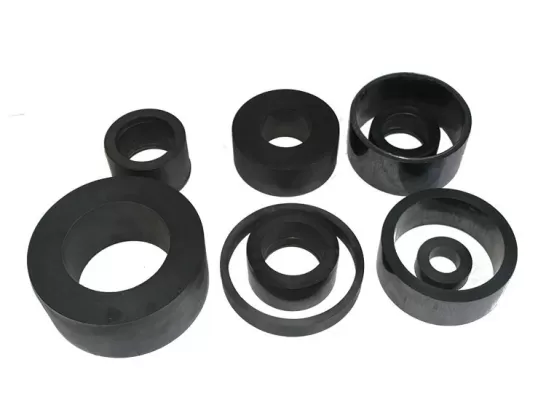
Sealing rings
Compressor components
Downhole tools
Pump parts
Wear-resistant bearings
Excellent resistance to hydrogen sulfide (H₂S)
Superior wear resistance in sand-containing fluids
Self-lubricating properties reduce friction
Longer service life compared to traditional materials
PEEK components help reduce maintenance costs and improve equipment reliability in both onshore and offshore operations.
As renewable energy installations continue to expand, manufacturers are seeking lightweight and durable materials that can withstand long-term environmental exposure.
PEEK is increasingly used in:
Gearbox bearings
Bushings
Electrical insulation components
Structural composite parts
Its combination of low weight and high strength contributes to improved system efficiency and reliability.
Carbon fiber reinforced PEEK composites provide:
Excellent UV resistance
Long-term dimensional stability
Corrosion-free performance
Extended service life in harsh desert environments
Hydrogen is widely viewed as a key component of the future clean energy economy. However, hydrogen systems present unique material challenges, including high pressures and hydrogen embrittlement.
PEEK has become an important material for:
Hydrogen storage systems
Fuel cell components
High-pressure seals
Valve assemblies
Compressor parts
Excellent chemical resistance
High mechanical strength
Resistance to hydrogen-related degradation
Lightweight alternative to metal components
As hydrogen infrastructure expands globally, demand for advanced PEEK components is expected to continue growing.
Nuclear power systems require materials capable of maintaining performance under extreme operating conditions.
PEEK offers:
High radiation resistance
Excellent electrical insulation
Long-term thermal stability
Low maintenance requirements
Applications include:
Electrical insulators
Cable protection systems
Precision mechanical components
Sealing solutions
These characteristics make PEEK a valuable material in both existing nuclear facilities and next-generation reactor technologies.
Combining carbon fiber with PEEK significantly increases stiffness, strength, and dimensional stability while maintaining low weight.
Researchers are developing graphene-modified PEEK materials that offer improved thermal conductivity and enhanced mechanical performance.
Manufacturers are increasingly investing in recyclable and lower-carbon PEEK production technologies to support sustainability goals across the energy industry.
Yes.
PEEK is already being used in various battery-related applications due to its excellent chemical resistance, electrical insulation properties, and dimensional stability. Typical applications include:
Battery support structures
Insulation components
Precision separators
High-performance connectors
As electric vehicle and energy storage technologies advance, PEEK is expected to play an increasingly important role in battery system design.
PEEK has become one of the most important advanced materials for the chemical and energy industries. Its exceptional combination of heat resistance, chemical resistance, mechanical strength, wear resistance, and lightweight performance enables engineers to design safer, more efficient, and longer-lasting energy systems.
From oil and gas drilling operations to hydrogen fuel systems, renewable energy equipment, and advanced nuclear technologies, PEEK continues to push the boundaries of what is possible in modern energy infrastructure.
As global demand for cleaner, safer, and more efficient energy solutions grows, PEEK will remain a key material driving the next generation of industrial innovation.
Copyright © PEEKCHINA | Taizhou Ark International Trade Co.,Ltd. All Rights Reserved |
Sitemap
| Powered by



 EN
EN