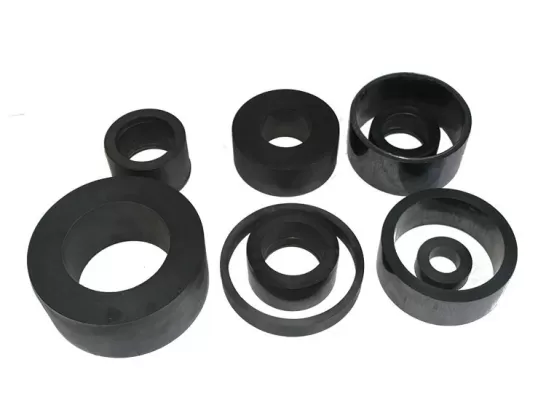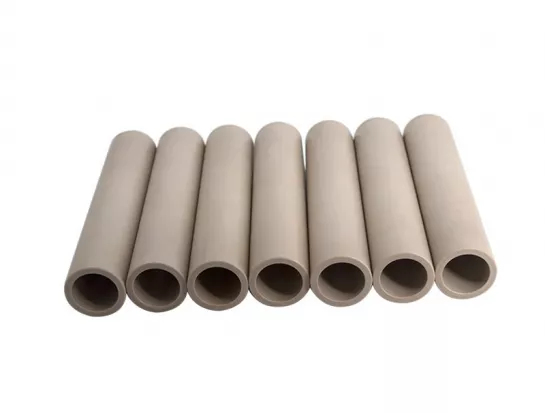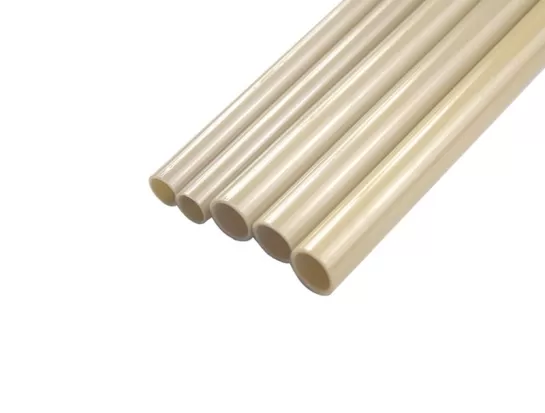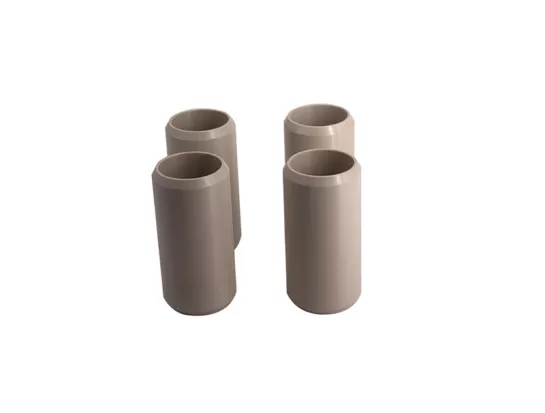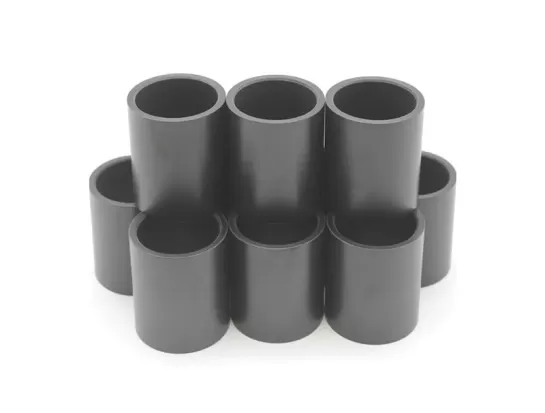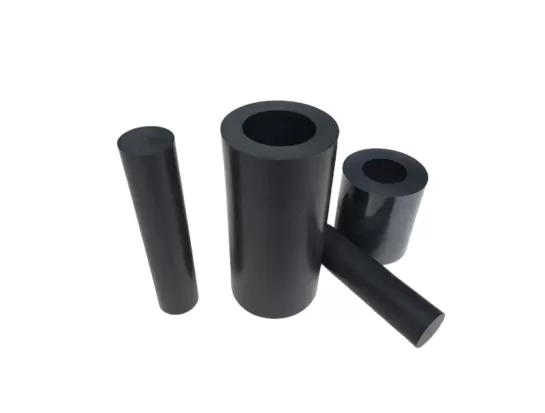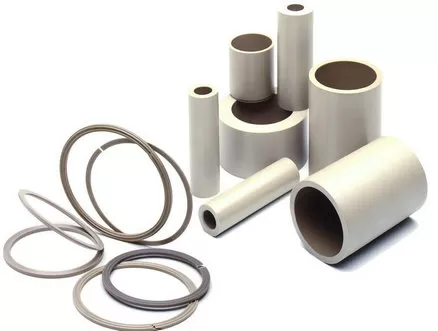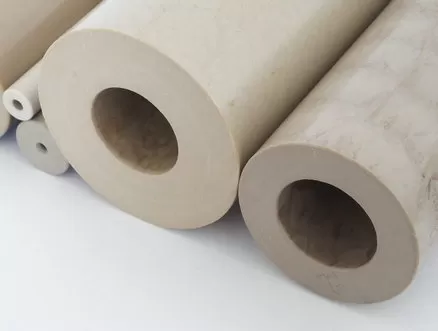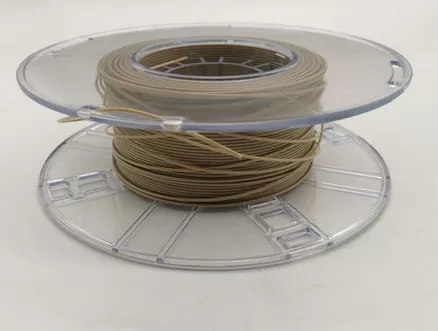
Polyether Ether Ketone (PEEK) is one of the most advanced high-performance engineering plastics available today. Known for its exceptional mechanical strength, chemical resistance, wear resistance, and high-temperature stability, PEEK is widely used in aerospace, medical, semiconductor, electronics, and industrial applications.
However, due to its high strength and heat resistance, proper cutting methods and tooling are essential to achieve precision components and maintain material performance. In this guide, we will discuss PEEK cutting tools, PEEK cutting speed, laser cutting PEEK, and the best practices for precision PEEK cutting.
Before selecting a machining method, it is important to understand the key PEEK mechanical properties that influence cutting performance:
High tensile strength
Excellent dimensional stability
Low moisture absorption
High continuous service temperature (up to 260°C)
Outstanding wear and fatigue resistance
Good chemical resistance
These properties make PEEK ideal for demanding applications but also require optimized machining parameters to prevent overheating, deformation, or poor surface finish.
Many engineers ask: How to cut PEEK?
The answer depends on the component geometry, tolerance requirements, and production volume.
Common PEEK cutting methods include:
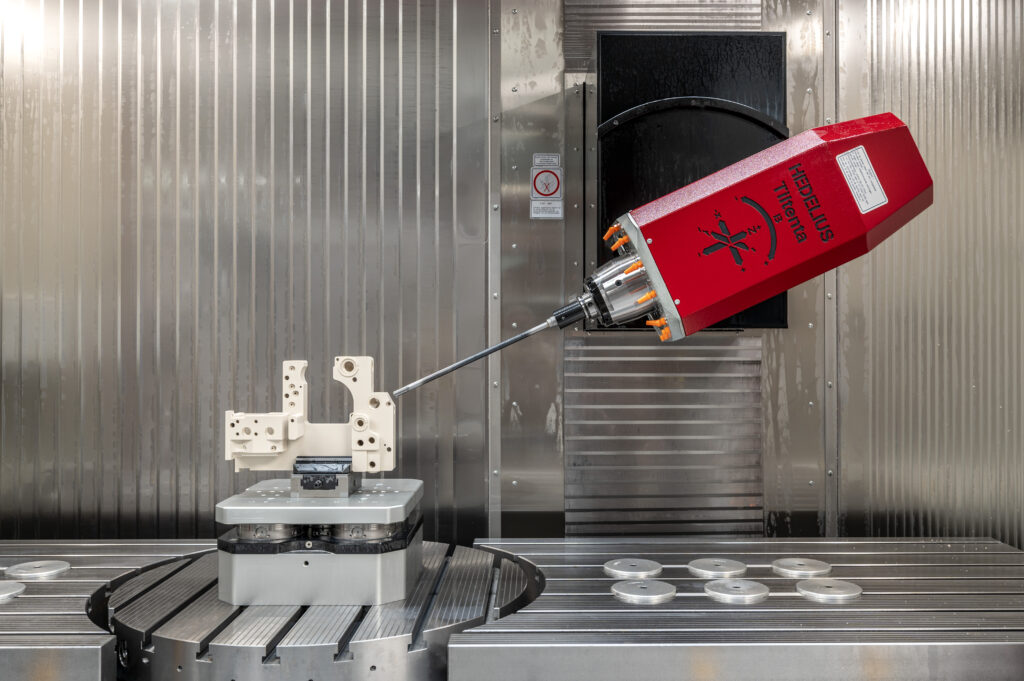
CNC milling and turning are the most common methods for producing precision PEEK parts.
Advantages:
High dimensional accuracy
Excellent surface finish
Suitable for complex geometries
Ideal for low- to medium-volume production
Band saws and circular saws are often used for cutting PEEK sheets, rods, and tubes into rough dimensions before final machining.
Advantages:
Fast material removal
Cost-effective
Suitable for stock preparation
Waterjet cutting is commonly used for PEEK sheets and plates.
Advantages:
No heat-affected zone
Minimal material stress
Suitable for intricate profiles
Laser processing is occasionally used for thin PEEK materials and precision profiles.
However, several factors must be considered before choosing this method.
A common question is: Can PEEK be laser cut?
The answer is yes, but with limitations.
PEEK can be processed using laser cutting systems, particularly for thin sheets and films. However, because PEEK is a thermoplastic material, laser energy can create localized melting and thermal degradation if parameters are not carefully controlled.
Potential challenges include:
Heat-affected zones (HAZ)
Edge discoloration
Melted edges
Reduced dimensional accuracy in thick sections
For ultra-high precision components, CNC machining is often preferred over laser cutting.
High cutting speed for thin materials
Complex contour capability
Non-contact processing
Reduced tooling costs
Thermal damage risk
Edge quality concerns
Not ideal for thick PEEK plates
Additional finishing may be required
When using laser cutting PEEK, manufacturers should optimize laser power, cutting speed, and assist gas selection to achieve the best results.
Selecting the proper PEEK cutting tools is critical for achieving precision and extending tool life.
Recommended tooling includes:
Solid carbide cutters are widely used because of their rigidity and wear resistance.
Benefits:
Sharp cutting edges
Long service life
Excellent surface quality
For high-volume production or reinforced PEEK grades, diamond-coated tools provide superior wear resistance.
Benefits:
Reduced tool wear
Consistent dimensional accuracy
Better performance on carbon-filled and glass-filled PEEK
PEEK machines best with sharp tools and positive rake angles, which reduce cutting forces and heat generation.
Proper PEEK cutting speed plays a major role in machining quality.
When cutting PEEK:
Excessively high cutting speeds can generate heat buildup.
Insufficient speeds may cause poor chip formation.
Sharp tools and efficient chip evacuation are essential.
General recommendations include:
Use sharp cutting edges.
Avoid excessive tool dwell.
Maintain proper feed rates.
Apply air cooling when necessary.
Monitor workpiece temperature during machining.
Actual cutting speeds should be optimized based on:
PEEK grade
Tool material
Machine rigidity
Component geometry
Surface finish requirements
Many industries require precision PEEK cutting for tight-tolerance components.
Examples include:
Medical device components
Semiconductor fixtures
Aerospace parts
Analytical instrument components
Electrical insulation parts
High-performance seals and bearings
To achieve precision results:
Use high-quality CNC equipment
Select optimized cutting parameters
Employ sharp carbide or diamond tooling
Control machining temperatures
Perform final inspection using precision measurement systems
These practices help maintain the dimensional stability and performance characteristics that make PEEK a preferred engineering material.
PEEK is a premium engineering thermoplastic with exceptional mechanical and thermal properties. Successfully machining PEEK requires selecting appropriate PEEK cutting tools, optimizing PEEK cutting speed, and understanding the advantages and limitations of laser cutting PEEK.
While laser processing can be effective for thin materials, CNC machining remains the preferred solution for high-precision components. By following proper machining practices, manufacturers can achieve superior surface finishes, tight tolerances, and long-term component reliability.
Whether you are evaluating how to cut PEEK, exploring precision PEEK cutting, or determining whether PEEK can be laser cut, choosing the correct processing method is essential for maximizing performance and manufacturing efficiency.
Copyright © PEEKCHINA | Taizhou Ark International Trade Co.,Ltd. All Rights Reserved |
Sitemap
| Powered by



 EN
EN