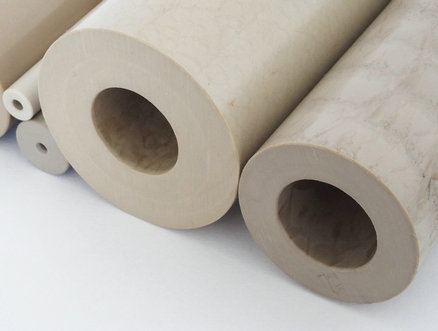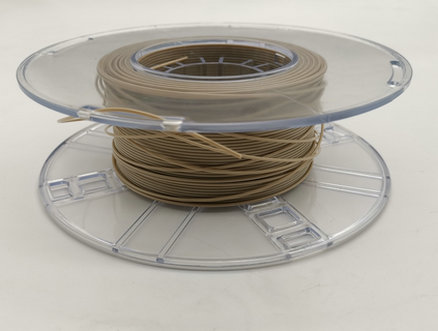
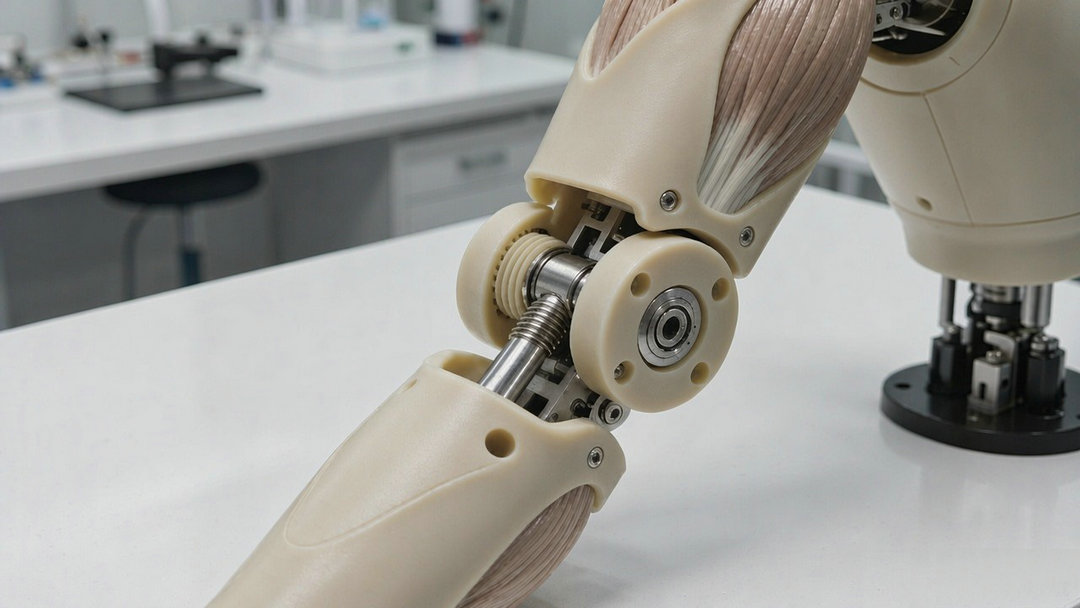
Have you ever wondered why the precision gears in your phone, the piston rings in car engines, and even the joint bearings of spacecraft can operate under prolonged high-speed friction without seizing or failing? The answer lies in a class of "super plastics" — Polyetheretherketone (PEEK). A recent professional friction test report has laid bare the wear performance of four common PEEK grades, giving us the perfect opportunity to explore the "little secrets of tribology" hidden in these materials.
This test strictly follows the Chinese national standard GB/T 3960-2016, essentially organizing a "friction endurance race" for materials: all specimens are friction blocks of identical dimensions, the counterface material is industrially common 316L stainless steel, loaded with 20N of pressure (roughly equivalent to a 2 kg weight pressing down), running continuously at 750 rpm for 6 hours — this intensity approximately simulates the frictional wear of a typical mechanical component operating continuously for one week.
Three core metrics are evaluated: friction coefficient (the lower the value, the smoother the sliding and the less energy consumed), wear mass loss (the less material removed, the better), and temperature rise (the less heat generated by friction, the less likely the material is to deform due to elevated temperature).
The four participants in this competition are all familiar faces in the PEEK family, but with different formulations and very different personalities:
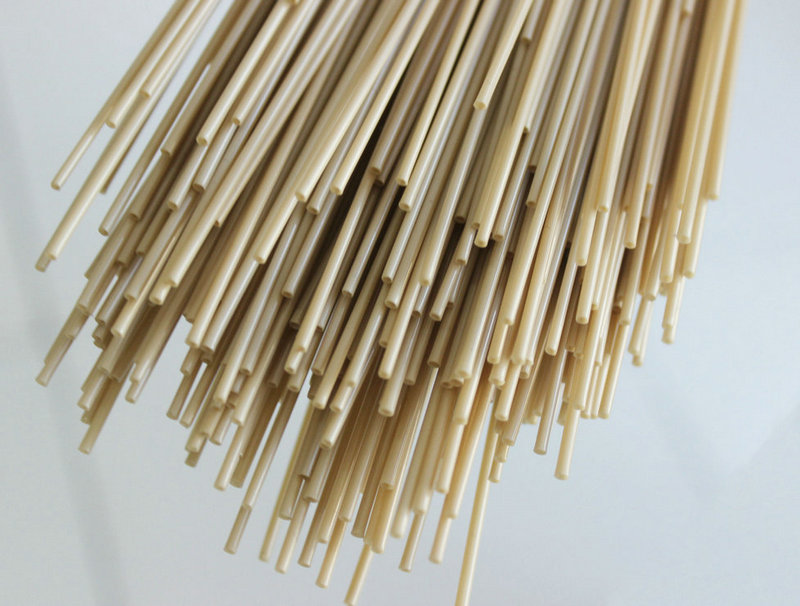
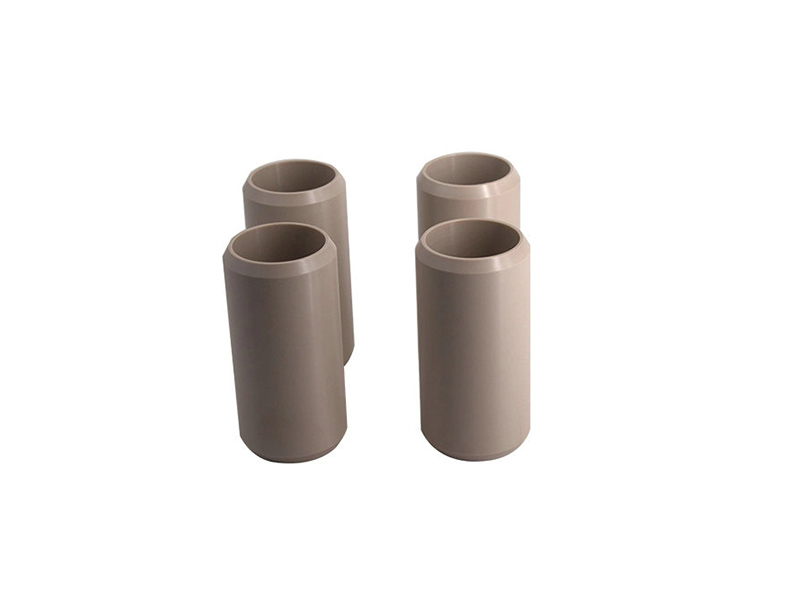
As a pure PEEK resin, its performance is moderate: after 6 hours, it lost 0.0097 g, with a wear rate of 1.36%, a friction coefficient ranging from 0.42 to 0.46, and a stable operating temperature of around 35°C.
This level of performance is already considered excellent among ordinary plastics, but it falls short when compared with the other modified grades. It is better suited for low-friction-pressure, cost-sensitive general applications, such as structural components in everyday home appliances.
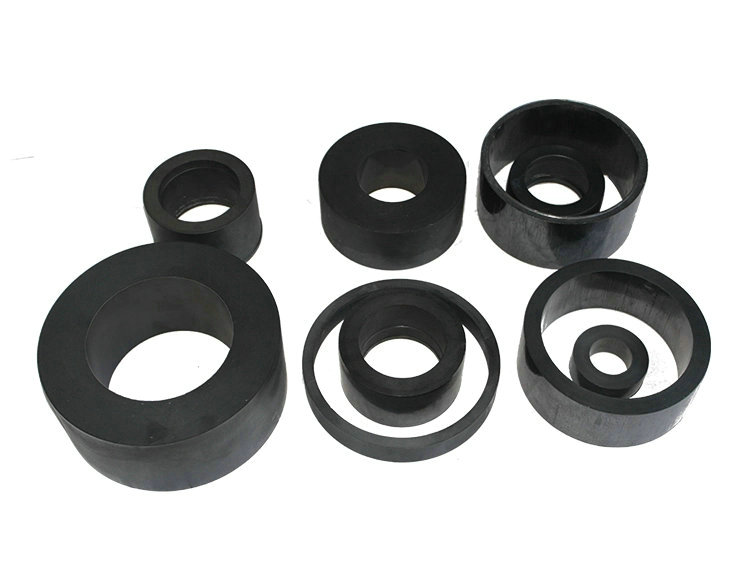
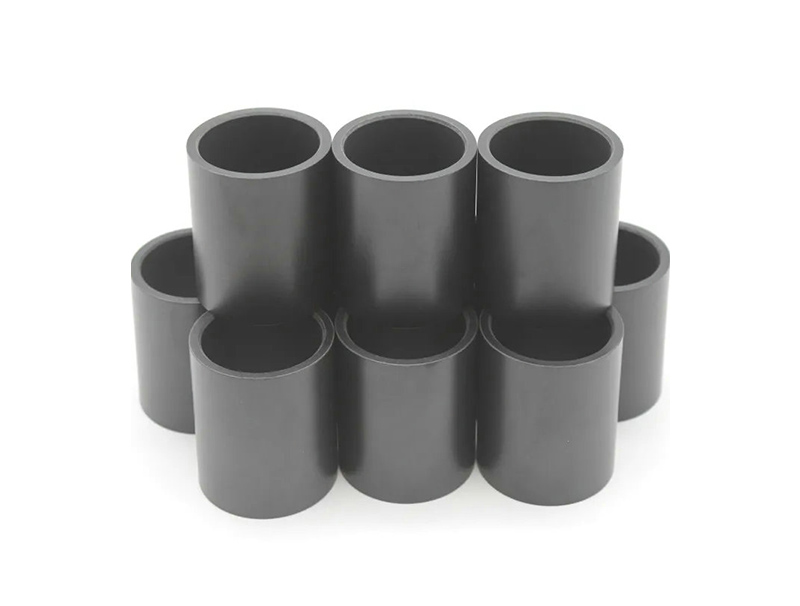
Reinforced with 30% carbon fiber, its wear resistance took a major leap forward: the wear mass loss was only 0.0008 g, with a wear rate as low as 0.127% — more than 10 times more wear-resistant than the base grade. However, its friction coefficient is moderate, ranging from 0.21 to 0.26, and its operating temperature runs slightly higher, stabilizing at around 40°C.
Its advantage lies in excellent rigidity and thermal conductivity, making it suitable for high-load applications such as automotive transmission gears and hydraulic system seal rings — it can withstand significant pressure while resisting wear.
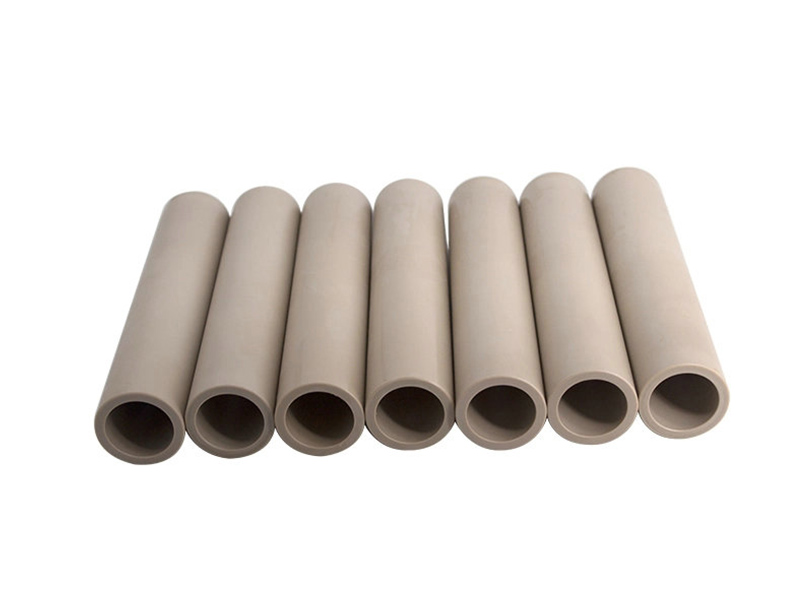
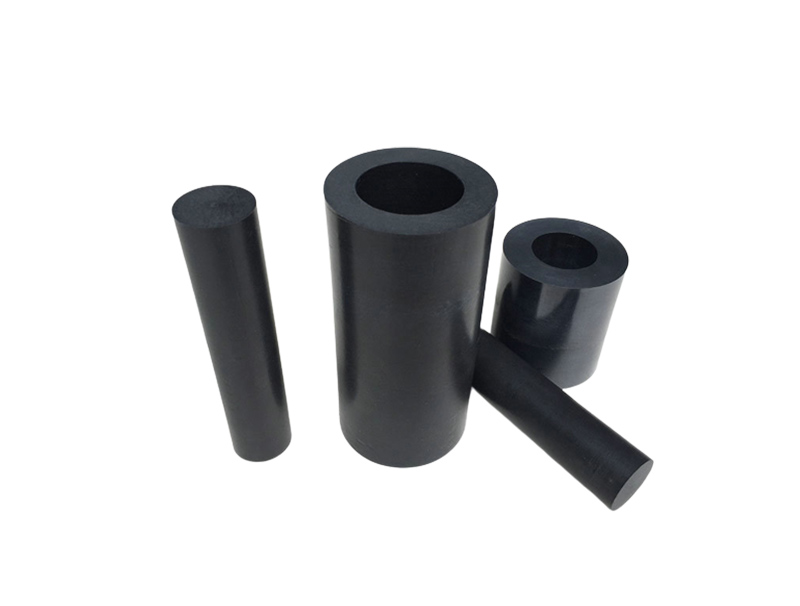
This modified PEEK, formulated with 30% solid lubricant, claimed the title of "lowest wear rate champion" in this test: a wear mass loss of only 0.0004 g, a wear rate of 0.058% — the most wear-resistant of all samples. Its friction coefficient held steady at 0.23–0.25, and it had the lowest operating temperature, maintained at 25–30°C.
It is particularly well-suited for precision applications where grease lubrication is not permitted, such as moving parts in food machinery and medical equipment — it can operate reliably long-term without lubrication and without contaminating products.
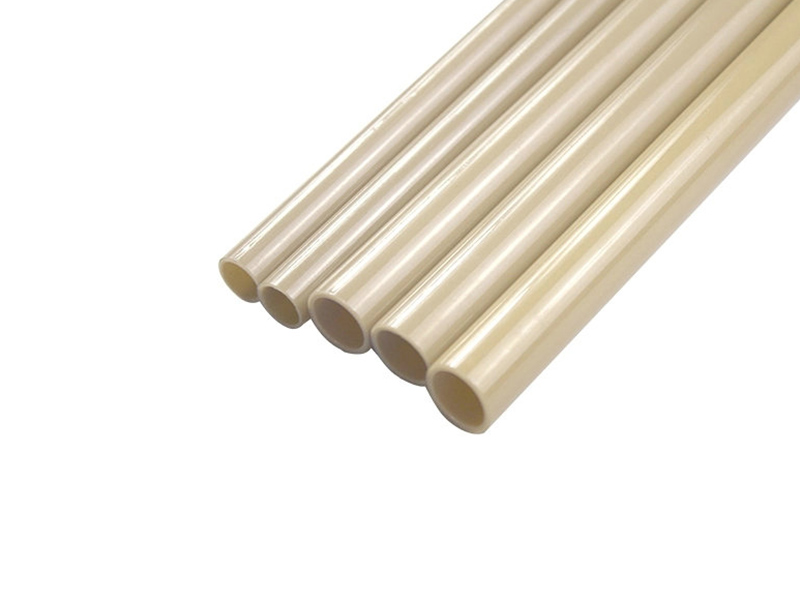
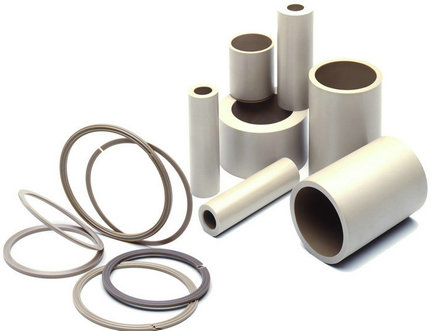
This specially optimized modified PEEK achieved an astonishingly low friction coefficient: only 0.07–0.13, roughly one-quarter that of the base grade, delivering an exceptionally smooth sliding experience. Its wear rate was 0.166%, with a wear mass loss of 0.0011 g — also a solid performance — and its operating temperature stabilized at around 35°C.
It is the top choice for high-precision, low-friction applications such as robotic joint bearings and drone rotor shafts, where low friction means lower energy consumption, more precise motion control, and reduced noise.
After reviewing the data, you might wonder: shouldn't you just pick the one with the lowest wear rate and the lowest friction coefficient? Not necessarily.
For example, while the solid lubricant grade is the most wear-resistant, its heat dissipation capability falls short of the carbon fiber-reinforced grade when used in high-power equipment that requires high thermal conductivity. Similarly, the special modified grade offers the highest smoothness, but in high-load applications, its wear resistance is inferior to the other two modified grades.
This is a fundamental principle of the materials world: there is no perfect material, only the best choice for a given application. It's just like choosing shoes — you want cushioning for running, grip for hiking, and comfort for daily commuting. There's no need to sacrifice other necessary qualities for the sake of a single performance metric.
This small test is just the tip of the iceberg in PEEK applications. This class of specialty engineering plastics continues to evolve, and the future may bring new grades with even lower friction coefficients, stronger wear resistance, and the ability to withstand extreme high temperatures and corrosive environments. Next time you use a smoothly operating electronic device or see a speeding new-energy vehicle, consider this: hidden inside may be the quiet contributions of these "super plastics."
Copyright © PEEKCHINA | Taizhou Ark International Trade Co.,Ltd. All Rights Reserved |
Sitemap
| Powered by



 EN
EN