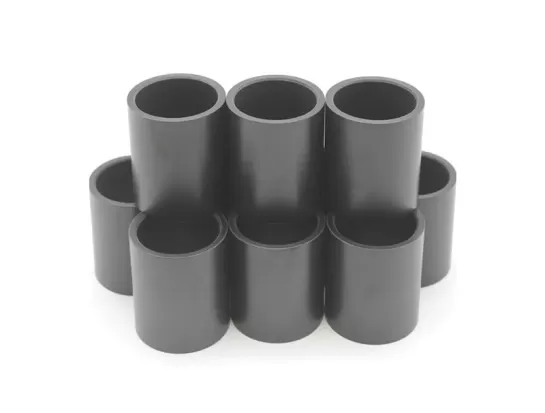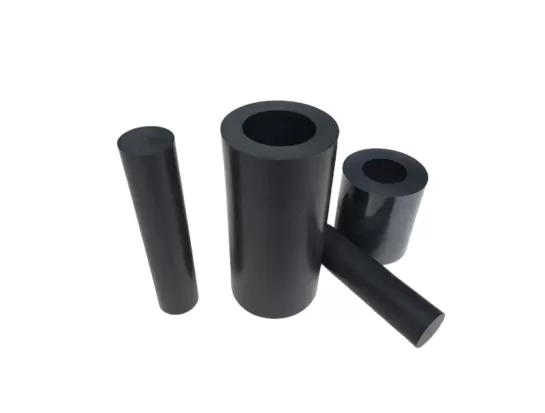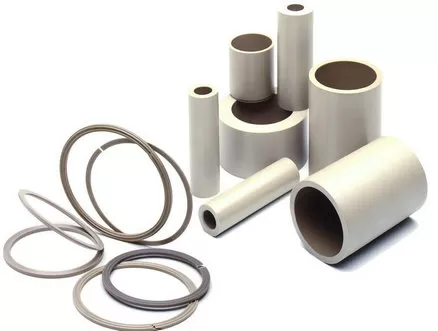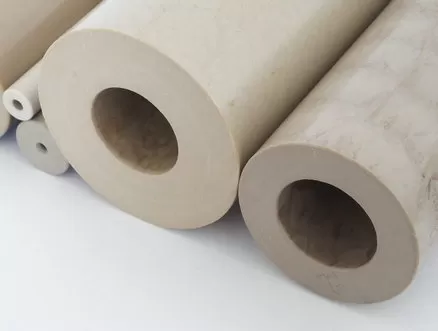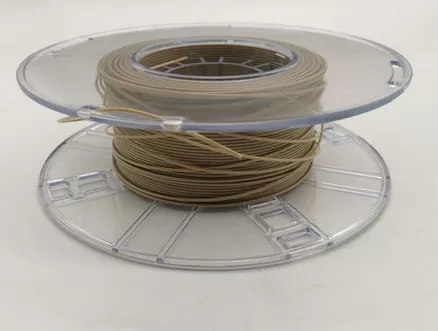

PEEK offers outstanding chemical compatibility with most acids, bases, salts, and organic solvents, but it does have critical limits in strong oxidizing acids and a few aggressive solvents. Understanding these boundaries is essential for designing safe, long-life components in chemical processing, analytical instruments, and other harsh environments.
What PEEK Is and Why Compatibility Matters
Polyetheretherketone (PEEK) is a high-performance semi-crystalline thermoplastic known for its high temperature resistance, mechanical strength, and excellent chemical resistance. Because it is often used to replace metals and lower-grade plastics in corrosive environments, chemical compatibility is usually a primary selection criterion.
In applications like HPLC tubing, microfluidics, semiconductor wet processes, and chemical plant components, poor compatibility can lead to swelling, stress cracking, extractables, and sudden failure. Using compatibility data up front reduces downtime, contamination risk, and safety incidents over the life of the system.
Overall Chemical Resistance Profile
Across a wide range of temperatures, PEEK resists most organic and inorganic chemicals, including many acids, bases, and hydrocarbons. Unfilled grades are typically used as the reference in chemical compatibility charts, with filled grades showing similar trends but sometimes slightly different behavior.
PEEK is generally compatible with almost all solvents commonly used in HPLC and microfluidic systems, which is why it is a standard material for tubing, fittings, and valve components. However, certain strong oxidizing acids and a handful of solvents can attack or significantly swell PEEK and must be handled carefully.
Acids: Where PEEK Excels and Fails
PEEK shows excellent resistance to many dilute and moderately concentrated acids such as acetic acid, phosphoric acid, and hydrochloric acid within specified concentration and temperature limits. For example, it can tolerate typical process concentrations of acetic and phosphoric acids that would damage common engineering plastics.
By contrast, concentrated sulfuric acid and concentrated nitric acid can rapidly attack or dissolve PEEK, even at room temperature, so they are generally listed as "not compatible" or "severe effect" in compatibility charts. Some data indicate PEEK can tolerate low concentrations of sulfuric acid (below about 10%) and limited exposure to 20–30% nitric acid for system passivation, but these conditions must be controlled.
Bases, Salts, and Oxidizers
PEEK exhibits strong resistance to dilute and concentrated bases, including sodium hydroxide, potassium hydroxide, ammonia, and many carbonate or phosphate salts. Compatibility charts often rate PEEK as "excellent" even at high base concentrations and elevated temperatures, making it a good choice for caustic cleaning lines and alkaline media.
For oxidizing agents such as hydrogen peroxide and hypochlorite, PEEK generally performs well at moderate concentrations, though very strong oxidizing conditions, especially combined with high temperature, can increase the risk of degradation over time. As with all polymers, exposure time, temperature, and mechanical stress should be considered together when evaluating these environments.
Organic Solvents and Specialty Chemicals
PEEK is highly resistant to aliphatic and aromatic hydrocarbons, ethers, esters, ketones, alcohols, and many chlorinated solvents, which explains its popularity in solvent-rich analytical and process systems. Common solvents such as methanol, ethanol, acetone, acetonitrile, and hexane are usually classified as compatible or showing only minor effects.
However, some solvents can cause swelling or more severe attack, including dimethyl sulfoxide (DMSO), methylene chloride, tetrahydrofuran (THF), and certain high-energy chlorinated solvents at demanding conditions. In such cases, even if short-term exposure appears acceptable, long-term dimensional stability and mechanical integrity may be compromised.
Key Factors Influencing Compatibility
Chemical compatibility of PEEK is not a single fixed property; it depends strongly on temperature, exposure time, concentration, and stress. Higher temperatures typically increase diffusion and reaction rates, which can convert a "good" rating at room temperature into marginal performance at elevated process temperatures.
Mechanical load and cycling also matter: a chemical that causes slight swelling might be acceptable in an unstressed spacer but problematic in a highly stressed press-fit seal or thin-wall tube. Designers should always interpret table ratings in the context of real operating conditions, including pressure, thermal cycling, and safety factors.
Typical Applications Leveraging PEEK Compatibility
In chemical processing and oil and gas, PEEK is used for pump components, valve seats, seals, and insulators exposed to corrosive fluids where metals would corrode and cheaper plastics would fail. Its combination of chemical resistance and high temperature capability makes it suitable for aggressive media near or above the boiling point of many solvents.
In life sciences, analytical instruments, and microfluidics, PEEK tubing and fittings are standard because they are inert to most mobile phases, do not leach significant contaminants, and withstand repeated cleaning cycles. Medical device and implant applications also benefit from PEEK's biocompatibility and resistance to sterilization chemicals and processes.
Best Practices for Selecting PEEK in Chemical Service
When evaluating PEEK for a new application, reviewing a detailed chemical compatibility chart from material suppliers or component manufacturers is essential. These charts classify performance (for example, excellent, good, conditional, or not recommended) for many chemicals and concentrations at defined temperatures and exposure times.
It is also good practice to run small scale immersion or functional tests using the actual process fluid, especially when mixtures, proprietary formulations, or borderline conditions are involved. Working directly with resin producers or component vendors can provide additional guidance on grade selection (unfilled vs. filled) and long-term performance expectations.
Example Compatibility Snapshot
The table below illustrates typical trends you will see across many PEEK compatibility charts for common chemical categories and conditions.
| Chemical group / example | Typical compatibility trend with PEEK |
| Dilute mineral acids (e.g., HCl, <37%) | Generally excellent to good resistance. |
| Concentrated oxidizing acids (H₂SO₄, HNO₃) | Often severe attack or dissolution; not recommended at high concentration. |
| Strong bases (NaOH, KOH, concentrated) | Typically excellent resistance, even at high concentration. |
| Alcohols (methanol, ethanol) | Good to excellent compatibility for most grades. |
| Common HPLC solvents (acetonitrile, acetone, hexane) | Generally compatible; widely used in tubing and fittings. |
| DMSO, methylene chloride, THF | Swelling or stronger effects; often rated conditional or not recommended. |
| Hydrocarbons (aliphatic, aromatic) | High resistance; suitable for many fuel and solvent environments. |
Always confirm with a supplier specific chart and real world testing for your exact conditions.
Copyright © PEEKCHINA | Taizhou Ark International Trade Co.,Ltd. All Rights Reserved |
Sitemap
| Powered by



 EN
EN