Bearings are fundamental mechanical components designed to reduce friction, support loads, and enable controlled motion between moving parts. Traditionally, metallic bearings such as steel and bronze have dominated industrial systems. However, in environments involving high temperatures, chemical exposure, or lubrication limitations, conventional materials may encounter performance constraints.
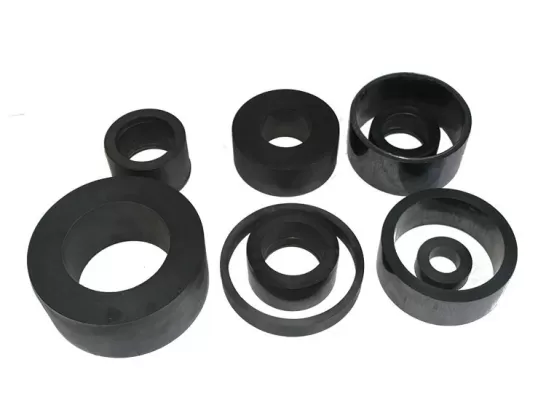
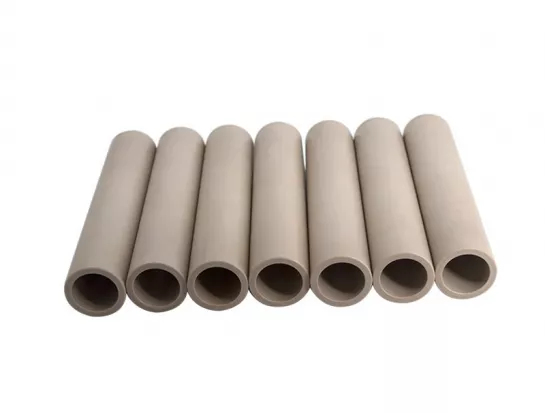
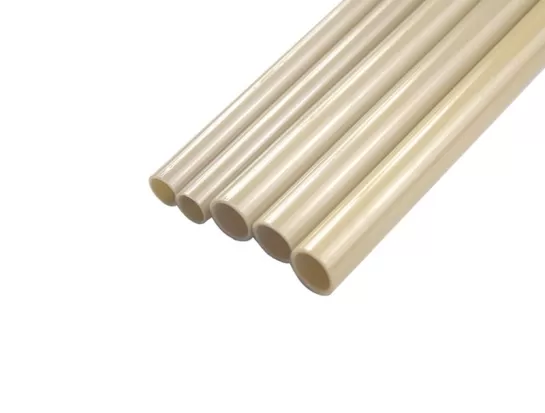
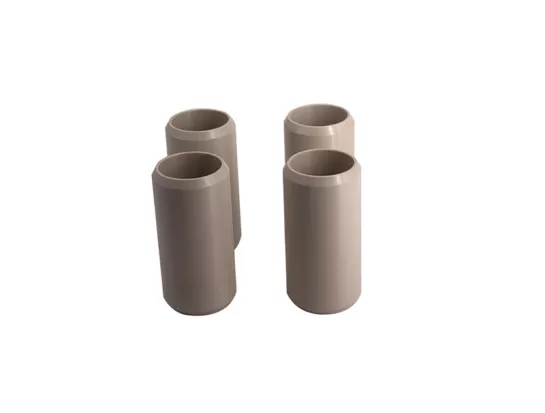
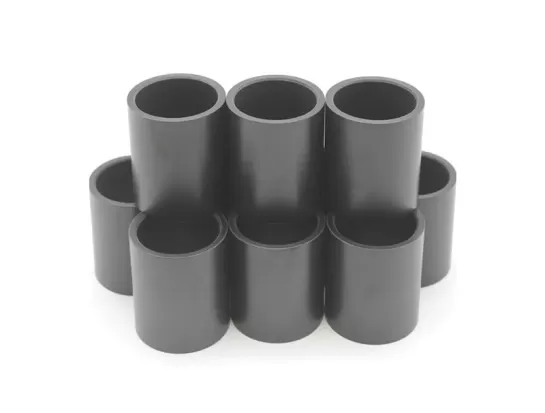
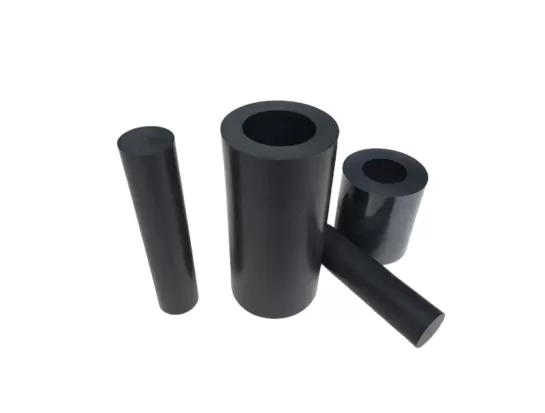
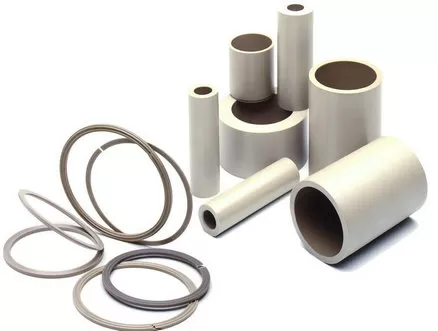
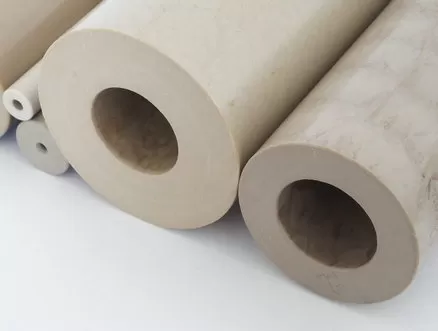
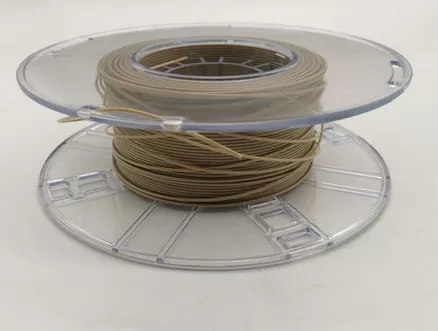
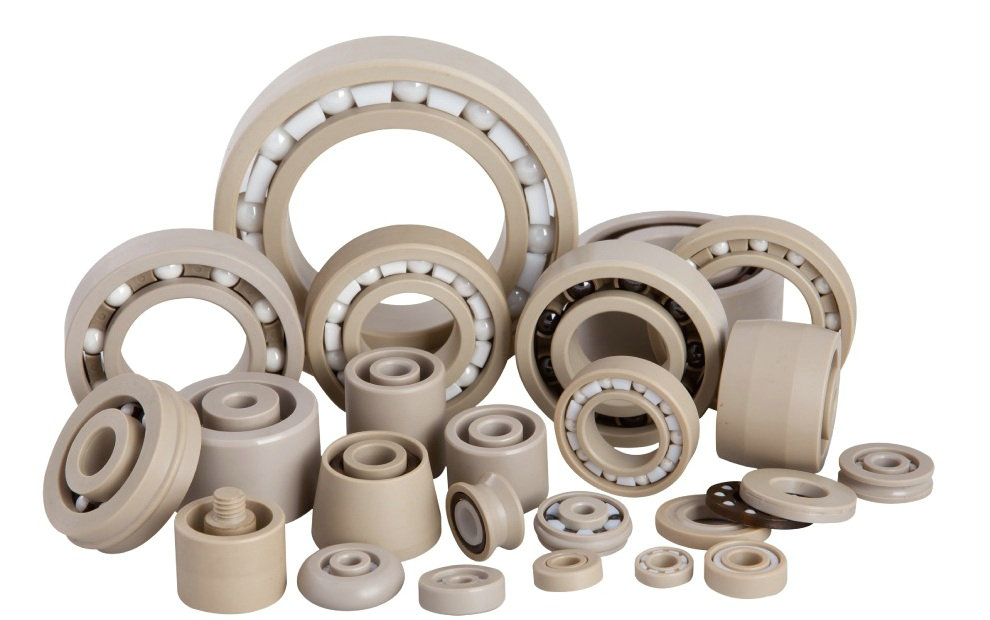
PEEK bearing solutions, manufactured from Polyether Ether Ketone (PEEK), offer an alternative for applications requiring a balance of mechanical strength, chemical resistance, and thermal stability. This article provides a technical overview of bearing classifications, the engineering characteristics of PEEK bearings, and the conditions under which PEEK may outperform traditional materials.
Bearings can be categorized based on motion type and structural design.
Rolling bearings (ball and roller types) reduce friction through rolling elements. They are commonly used in high-speed and precision systems but typically require lubrication and protection against contamination.
Sliding bearings, also known as sleeve bearings or bushings, operate through surface-to-surface sliding contact. They are mechanically simple, compact, and often preferred in oscillating motion or heavy-load applications.
Thrust bearings are designed to support axial loads and are widely used in rotating shafts, pumps, and vertical mechanical assemblies.
In many advanced industrial systems—such as chemical processing equipment, semiconductor machinery, medical devices, and aerospace mechanisms—bearing materials must withstand elevated temperatures, corrosive media, or lubrication restrictions. Under such conditions, PEEK bearing materials become technically relevant.
PEEK is a semi-crystalline high-performance thermoplastic known for its exceptional combination of:
High thermal resistance
Excellent chemical stability
Strong mechanical properties
Good wear and friction performance
Compared with general engineering plastics such as nylon (PA), acetal (POM), or PTFE, PEEK offers a broader operating window in demanding environments.
PEEK maintains mechanical integrity at continuous service temperatures up to approximately 250°C (482°F), significantly higher than most engineering plastics.
Unlike many thermoplastics that soften or creep under heat, PEEK exhibits:
Stable modulus at elevated temperature
Low thermal expansion relative to common plastics
Good long-term dimensional stability
This makes it suitable for high-temperature bushings and thrust components.
In sliding applications, friction and wear behavior are critical. PEEK demonstrates:
Low to moderate coefficient of friction
Strong resistance to adhesive wear
Good PV (pressure × velocity) performance
Tribological performance can be further enhanced through reinforcement or lubrication fillers when required by the application.
PEEK provides:
High compressive strength
Good tensile and flexural properties
Improved creep resistance compared to most thermoplastics
While it does not match steel in absolute load capacity, PEEK bearings can reliably handle moderate to high loads when properly designed with correct surface contact area and PV limits.
PEEK exhibits excellent resistance to:
Organic solvents
Hydrocarbons
Steam and hot water
Most acids and bases (except highly concentrated sulfuric acid)
Unlike metallic bearings, PEEK does not corrode, making it suitable for chemical reactors, pumps, and fluid-handling systems.
Many bearing failures are caused by insufficient lubrication. PEEK bearings can operate in:
Dry-running environments
Vacuum systems
Cleanroom environments
Food processing systems where lubrication is restricted
This makes PEEK particularly valuable in contamination-sensitive applications.
Compared to metal bearings, PEEK offers:
Significant weight reduction
Electrical insulation
Non-magnetic properties
These characteristics are advantageous in aerospace systems, robotics, and electronic equipment.
PEEK is not intended to replace metal bearings universally. However, it offers superior performance under certain operating conditions.
In chemical pumps or reactors where stainless steel may corrode or coatings degrade, PEEK eliminates corrosion risks while maintaining structural stability.
Where oil or grease cannot be used reliably, PEEK may provide more stable friction performance than bronze or steel.
In aerospace or high-speed automation systems, replacing metal bushings with PEEK can reduce mass and improve dynamic response.
PEEK is beneficial where electrical isolation is required, such as semiconductor manufacturing equipment.
In repeated steam sterilization or hot water cycling, PEEK maintains mechanical integrity better than many common engineering plastics.
To ensure reliable performance, engineers must evaluate:
PV limits (pressure × velocity)
Operating temperature range
Load distribution and contact geometry
Shaft material and surface roughness
Lubrication condition (dry, boundary, or full film)
Thermal expansion compatibility
Proper material grade selection-whether unfilled or reinforced-should align with the application's tribological and mechanical requirements.
| Property | Steel | Bronze | PTFE | Nylon | PEEK |
| Continuous Temp. | High | Medium | Low-Medium | Low | High |
| Corrosion Resistance | Moderate | Moderate | Excellent | Limited | Excellent |
| Load Capacity | Very High | High | Low | Medium | Medium-High |
| Dry Running | Limited | Limited | Good | Limited | Good |
| Weight | High | High | Very Low | Low | Low |
PEEK effectively bridges the gap between metal strength and polymer chemical resistance, offering a balanced engineering solution rather than an extreme in any single property.
PEEK bearing materials provide a technically advanced option for sliding and thrust applications operating under elevated temperatures, corrosive environments, or lubrication constraints.
While not intended to replace metal bearings in ultra-high load systems, PEEK offers a unique combination of thermal stability, chemical resistance, wear performance, and lightweight characteristics. With proper design and grade selection, PEEK bearings can significantly enhance reliability and service life in demanding industrial environments.
As mechanical systems continue to evolve toward higher efficiency and more extreme operating conditions, high-performance polymer bearings such as PEEK will play an increasingly important engineering role.
Copyright © PEEKCHINA | Taizhou Ark International Trade Co.,Ltd. All Rights Reserved |
Sitemap
| Powered by



 EN
EN