As industrial technologies continue to advance, manufacturers are demanding materials that can survive harsher environments, tighter tolerances, and increasingly complex engineering requirements. Traditional plastics often fail under extreme temperatures or aggressive chemicals, while metal components may introduce unnecessary weight, corrosion risks, or electrical conductivity issues.
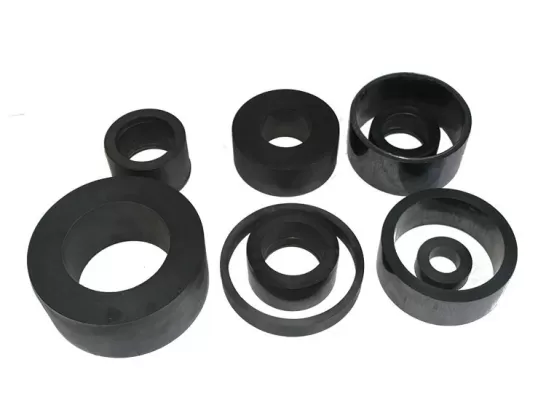
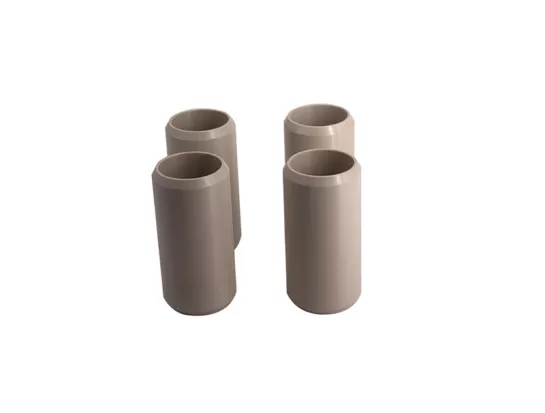
This is one of the major reasons why CNC machining PEEK has become increasingly important in high-performance industries. From semiconductor systems and medical devices to aerospace equipment and analytical instrumentation, more manufacturers are turning to custom PEEK parts for applications where reliability, precision, and long-term performance are critical.
PEEK, short for Polyether Ether Ketone, is widely recognized as one of the most advanced engineering thermoplastics available today. When combined with precision CNC machining technology, PEEK becomes an ideal material for producing complex industrial components that require exceptional dimensional stability and mechanical performance.
PEEK offers a unique balance of properties that few engineering materials can match. Unlike conventional plastics, it maintains excellent mechanical strength even under continuous exposure to elevated temperatures and chemically aggressive environments.
For industrial manufacturers, this combination of performance characteristics creates opportunities to replace metal components, reduce overall system weight, improve corrosion resistance, and increase operational reliability.
One of the most important advantages of PEEK is its ability to maintain dimensional stability in demanding applications. Components made from PEEK can continue operating under conditions where many plastics would soften, deform, or degrade over time.
In addition to thermal stability, PEEK also provides:
Outstanding chemical resistance
Excellent wear resistance
High mechanical strength
Low moisture absorption
Electrical insulation properties
Hydrolysis resistance
Radiation resistance
Biocompatibility for medical applications
These characteristics make custom PEEK parts suitable for highly specialized industrial systems where material failure is not acceptable.
Although injection molding remains suitable for mass production, many industrial applications require customized geometries, low-volume production, or ultra-precise tolerances that are difficult to achieve through molding processes alone.
This is where CNC machining PEEK offers significant advantages.
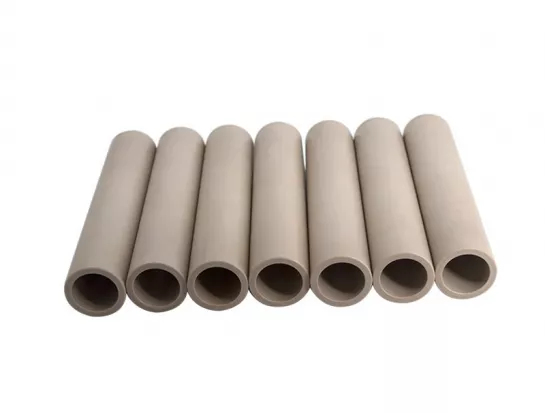
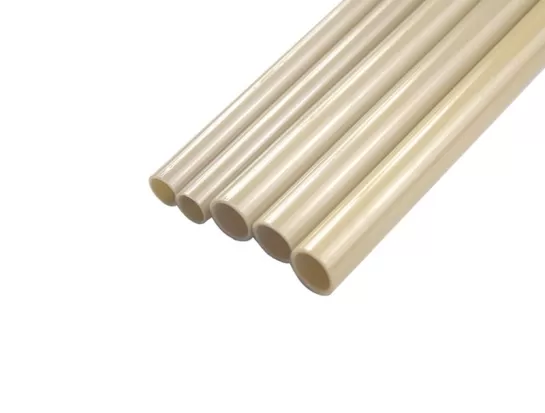
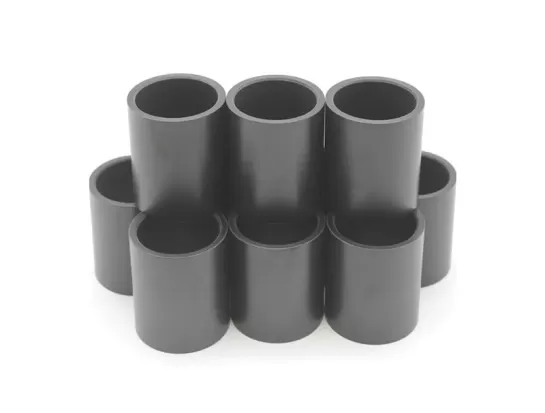
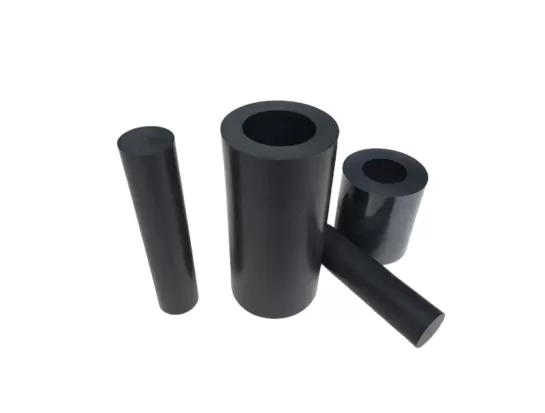
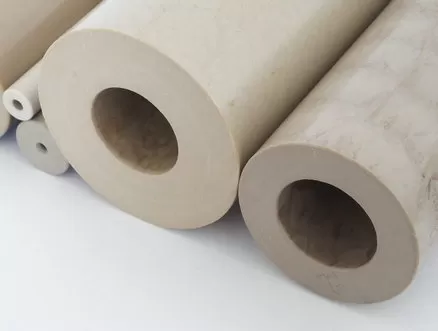
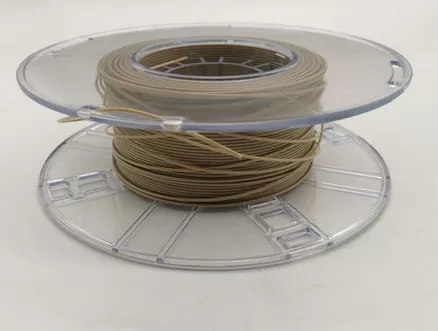
Precision CNC machining allows manufacturers to produce highly complex PEEK components directly from stock shapes such as rods, plates, and tubes. The process provides exceptional flexibility for custom designs while maintaining high dimensional accuracy.
As industries move toward more specialized equipment and compact system designs, demand for CNC machined PEEK components continues to grow rapidly.
Modern industrial equipment often requires components with extremely tight tolerances and consistent repeatability. In applications such as semiconductor manufacturing, chromatography systems, and medical instruments, even minor dimensional variations can affect system performance.
CNC machining PEEK enables manufacturers to achieve highly precise geometries, including:
Micro-scale features
Precision holes
Thin-wall structures
Sealing surfaces
Internal channels
Multi-axis geometries
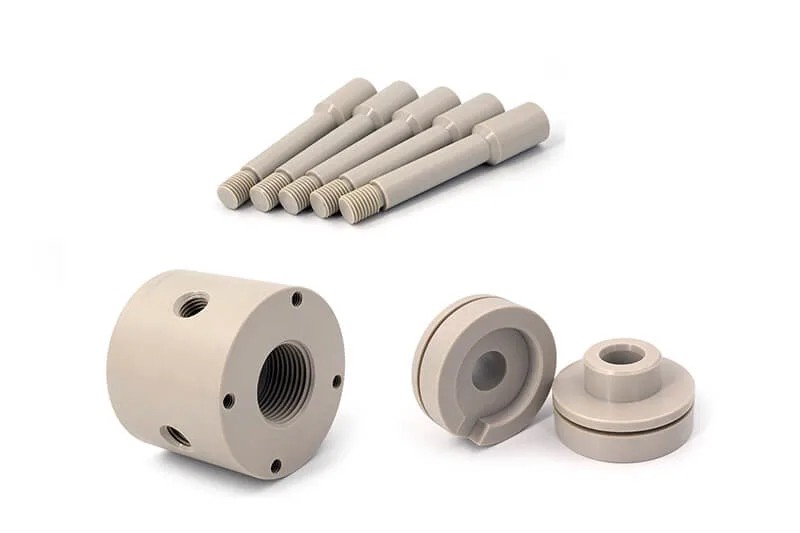
Fine threaded components
This level of precision is difficult to achieve with many conventional manufacturing methods.
One of the biggest advantages of CNC machining is design flexibility. Industrial manufacturers frequently require custom geometries that cannot justify expensive injection molds, especially for low-volume production or prototype development.
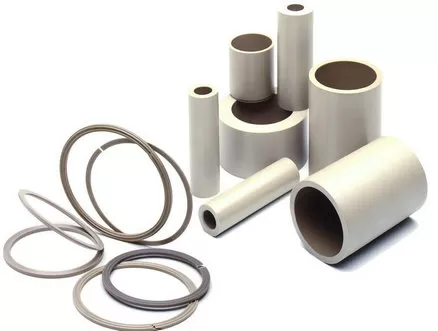
Custom PEEK parts can be manufactured according to specific application requirements, including:
Complex valve components
Precision bushings
Insulators
Fluid handling components
Medical device parts
Semiconductor handling systems
Aerospace structural components
CNC machining makes it possible to rapidly modify designs, optimize prototypes, and reduce development lead times.
For critical engineering applications, material consistency is extremely important. CNC machining from high-quality extruded or compression-molded PEEK stock shapes often provides more stable and reliable material properties compared with some molded alternatives.
This consistency becomes especially valuable in high-pressure sealing systems, analytical instruments, and semiconductor equipment where precision performance is essential.
The increasing adoption of custom PEEK parts is closely related to the rapid development of high-tech industries that demand higher levels of performance and reliability.
Semiconductor manufacturing environments require materials that can withstand aggressive chemicals, elevated temperatures, and ultra-clean operating conditions.
Wafer handling systems
Semiconductor valve components
Insulators
Fluid delivery systems
CMP equipment parts
Vacuum system components
PEEK’s dimensional stability and chemical resistance make it highly suitable for advanced semiconductor processing equipment.
Medical device manufacturers increasingly rely on custom PEEK parts for surgical tools, orthopedic systems, dental devices, and diagnostic equipment.
PEEK offers several advantages over traditional metal materials in medical environments, including:
Biocompatibility
Sterilization resistance
Reduced weight
Excellent fatigue resistance
Radiolucency in imaging systems
Precision CNC machining allows medical manufacturers to create highly customized components designed for demanding clinical applications.
PEEK has become one of the most important materials used in analytical equipment and laboratory systems.
Custom machined PEEK components are widely used in:
HPLC systems
Chromatography equipment
Precision pumps
Fluid connectors
High-pressure valves
Microfluidic devices
The material's excellent chemical compatibility and low extractable characteristics make it ideal for high-purity analytical applications.
Although PEEK offers exceptional engineering performance, machining the material requires specialized knowledge and process control.
Compared with standard plastics, PEEK is significantly more demanding during machining operations.
PEEK is sensitive to excessive heat during machining. Improper cutting parameters can lead to thermal deformation, dimensional instability, or poor surface finish.
Professional CNC machining PEEK processes require optimized spindle speeds, feed rates, cutting strategies, and cooling management to maintain precision.
Large PEEK stock shapes may contain residual internal stresses from extrusion or molding processes. During machining, stress release can cause component distortion if not properly controlled.
Many manufacturers perform annealing procedures before or after machining to improve dimensional stability and reduce deformation risk.
Carbon-filled PEEK and glass-filled PEEK offer enhanced mechanical performance and wear resistance, but they are considerably more abrasive than unfilled PEEK.
Machining reinforced PEEK materials requires specialized tooling and advanced machining expertise to achieve tight tolerances and maintain efficient production.
High-performance sealing systems and precision fluid handling applications often require exceptional surface quality.
Achieving smooth surface finishes without burrs or machining marks is critical for maintaining sealing performance and assembly reliability.
Producing high-quality custom PEEK parts requires more than standard machining capability. Manufacturers should evaluate suppliers based on their experience with advanced engineering plastics and their ability to maintain tight process control.
Important factors include:
Precision CNC machining capability
Experience with reinforced PEEK materials
Dimensional tolerance control
Annealing capability
Surface finish quality
Engineering support
Material traceability
Prototype and low-volume production flexibility
A qualified supplier should also understand the performance requirements of industries such as semiconductor manufacturing, medical devices, aerospace, and analytical instrumentation.
Yes. PEEK is widely used for precision CNC machining because of its dimensional stability, mechanical strength, and excellent thermal resistance.
Custom PEEK parts are commonly used in semiconductor, medical, aerospace, analytical instrumentation, automotive, and energy industries.
Yes. Carbon-filled and glass-filled PEEK materials can both be CNC machined, although they require specialized tooling and machining expertise.
PEEK offers reduced weight, corrosion resistance, electrical insulation, chemical resistance, and excellent performance in harsh operating environments.
Yes. CNC machining is highly suitable for prototype development, low-volume manufacturing, and highly customized PEEK components.
Copyright © PEEKCHINA | Taizhou Ark International Trade Co.,Ltd. All Rights Reserved |
Sitemap
| Powered by



 EN
EN